Back to blog
A reliable foundation is the backbone of any structure. When surface soils are weak or inconsistent, engineers, and contractors must transfer building loads deeper into the ground using piles. Understanding the right pile foundation options can make or break a project’s success. Selecting the wrong system may lead to excessive settlement, delays, or costly remediation.
This comprehensive pile foundation selection guide explores the types of pile foundations, including helical piles, driven piles, and cast-in-place concrete piles. It explains when each is appropriate, compares performance, and outlines the documentation engineers expect. Whether you’re building a residential addition or an industrial facility, choosing the right pile type will ensure long-term stability.

Three primary pile foundation options dominate modern construction:
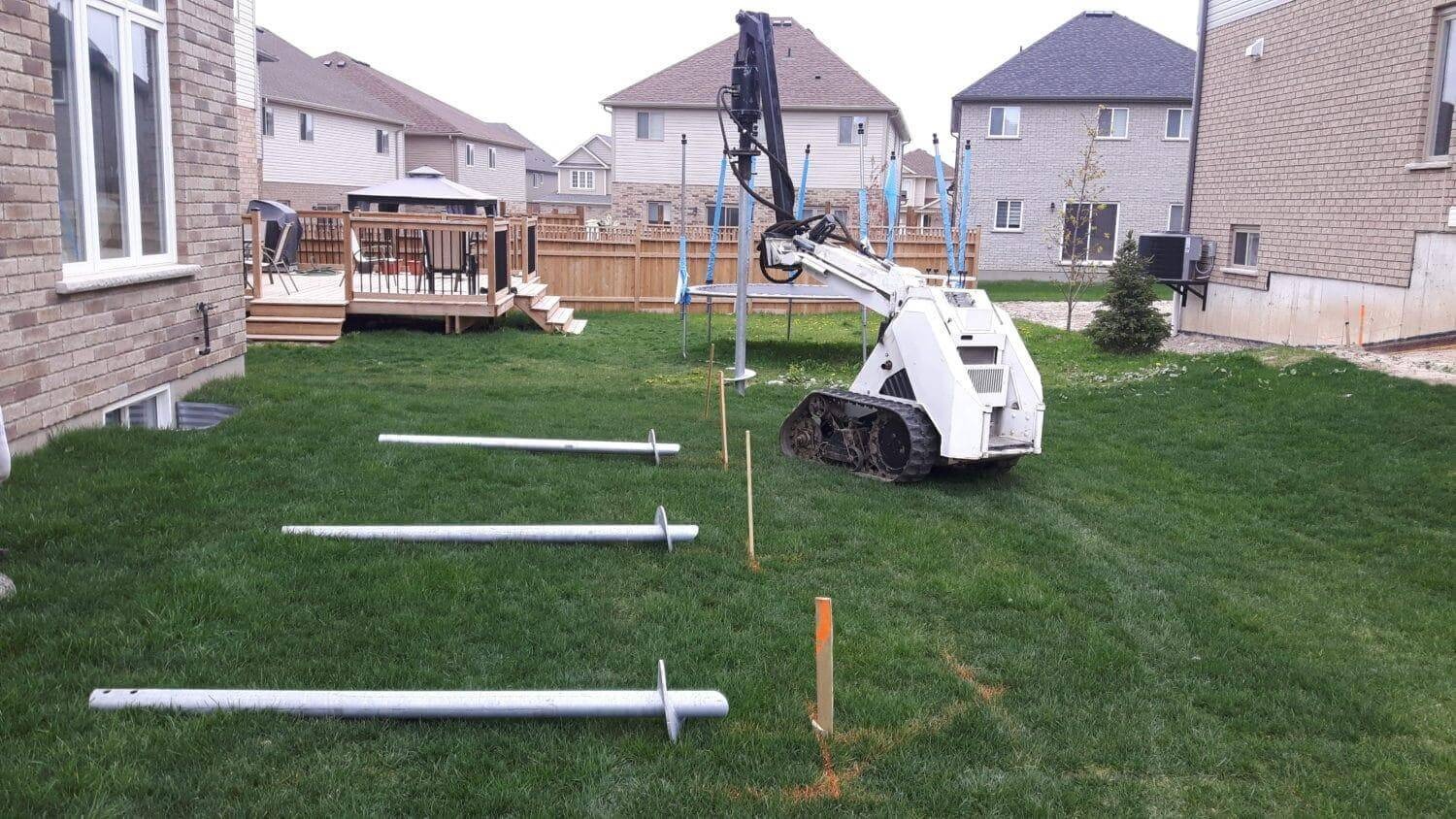
Also known as screw piles, these consist of steel shafts with helical plates that are twisted into the ground using hydraulic machinery. The helices generate bearing capacity while the shaft adds frictional resistance. Helical piles perform well in clays, sands, and soft or variable soils and create minimal disturbance. Because they’re modular, installers can add extensions to reach deeper strata when necessary.
Driven piles are precast steel, concrete, or timber sections hammered or pressed into the ground. They develop capacity through a combination of skin friction and end bearing. These types of pile foundations excel in dense soils or rock and can handle extremely heavy loads. However, they require large equipment and generate noise and vibration during installation.
Also called drilled shafts or caissons, these are formed by drilling a hole, inserting a rebar cage, and pouring concrete. Their capacity comes from friction along the pile’s sides and bearing at the base. They’re ideal for high-load applications but involve spoil removal and curing time before loading.
The choice between these pile foundation options depends on soil conditions, load demands, access constraints, and environmental sensitivities.
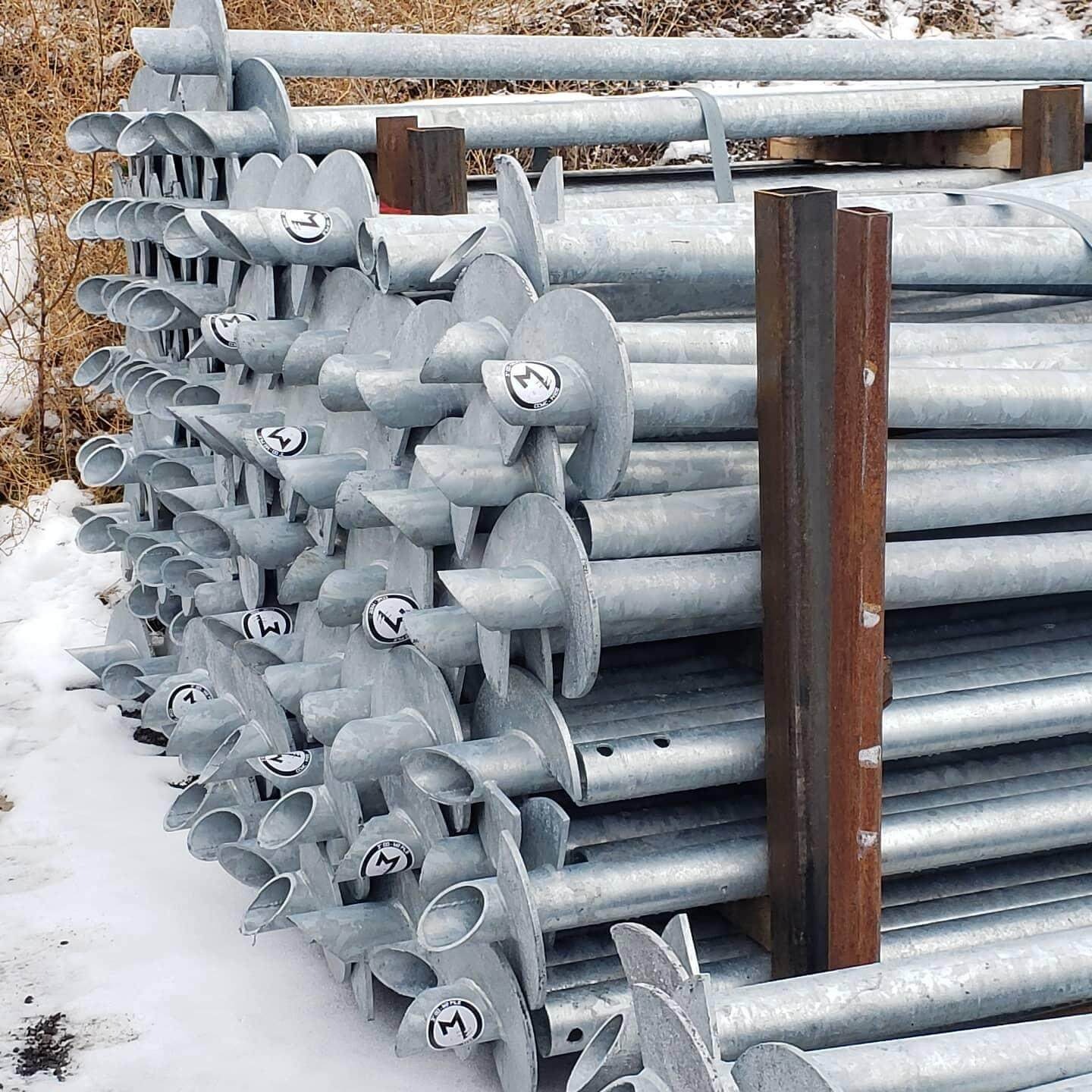
The debate of helical piles vs driven piles is common among contractors. Both serve similar purposes but differ in how they interact with soil and site conditions.
Helical piles are installed by screwing them into the ground. The installation torque directly indicates bearing capacity, giving immediate feedback on performance. Because they cut through soil rather than displace it, vibration and noise are minimal. They can also be loaded immediately, no waiting for curing or setup.
Use helical piles when:
Driven piles are installed by hammering or pressing sections into the ground. They compact the surrounding soil, which increases frictional resistance but also produces noise and ground vibration. Heavy equipment is required.
Choose driven piles when:
Both types of pile foundations have strengths. The final decision often relies on a professional geotechnical assessment and a realistic view of site logistics.
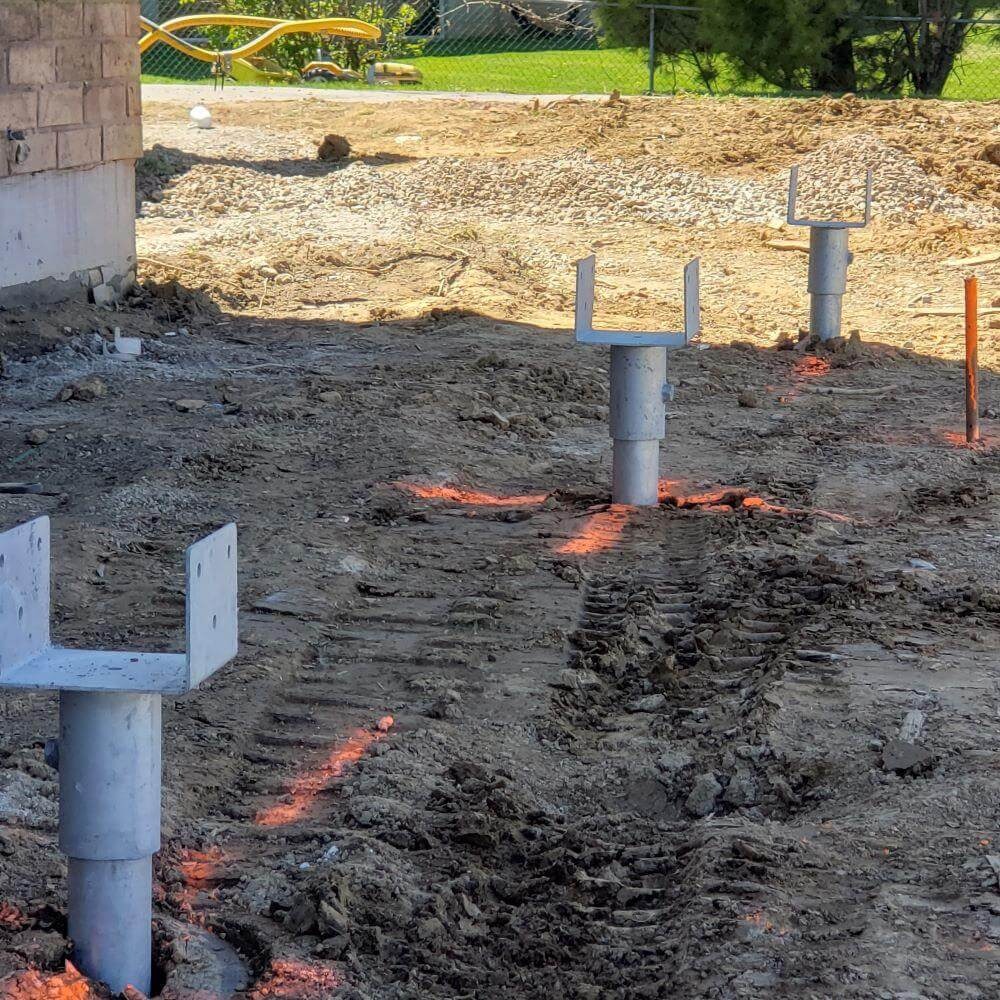
Another common question is screw piles vs concrete piles. Both can support heavy loads, but they differ in installation and site impact.
Screw piles are installed quickly using compact hydraulic drive heads. Modular sections allow on-the-fly depth adjustments. Cast-in-place piles require drilling or augering holes, cleaning them, placing reinforcement, and pouring concrete steps that take time and generate spoil.
Helical pile capacity is verified by monitoring installation torque. If readings are too low, installers can adjust the design on site. Concrete piles rely on pre-construction soil data, meaning adjustments during installation are limited.
Screw piles can be installed using small machinery such as mini-excavators or skid steers, ideal for tight or interior sites. They produce no spoil and can even be removed and reused. Cast-in-place piles need heavy rigs and concrete trucks and require spoil disposal.
In short, screw piles offer adaptability and speed, while cast-in-place piles remain preferred for extremely high loads or large-diameter shafts. Understanding these pile foundation options allows engineers to balance practicality and performance.
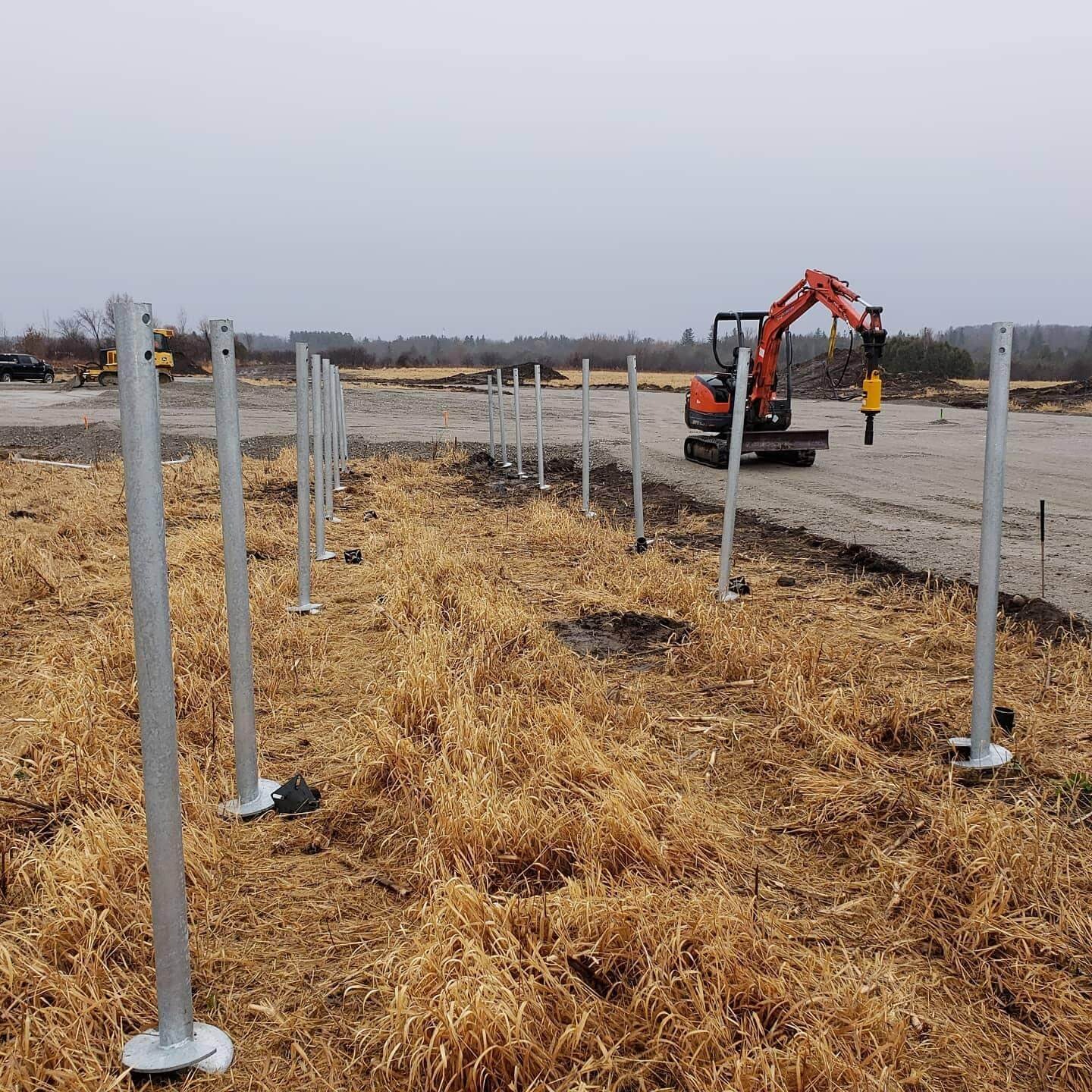
Every deep foundation transfers load through end bearing vs friction piles, or a mix of both mechanisms.
Knowing whether your system behaves as end-bearing or friction-based helps predict performance and select the right pile foundation options for each site.

The ideal pile foundation for residential buildings may differ from that for commercial or industrial facilities, but helical piles can serve both.
Helical piles are ideal for:
For larger projects, helical piles:
When comparing suppliers, choose firms offering certified helical piles and open installation options no restrictive franchise requirements. That flexibility ensures consistent results and streamlined logistics across multiple builds.
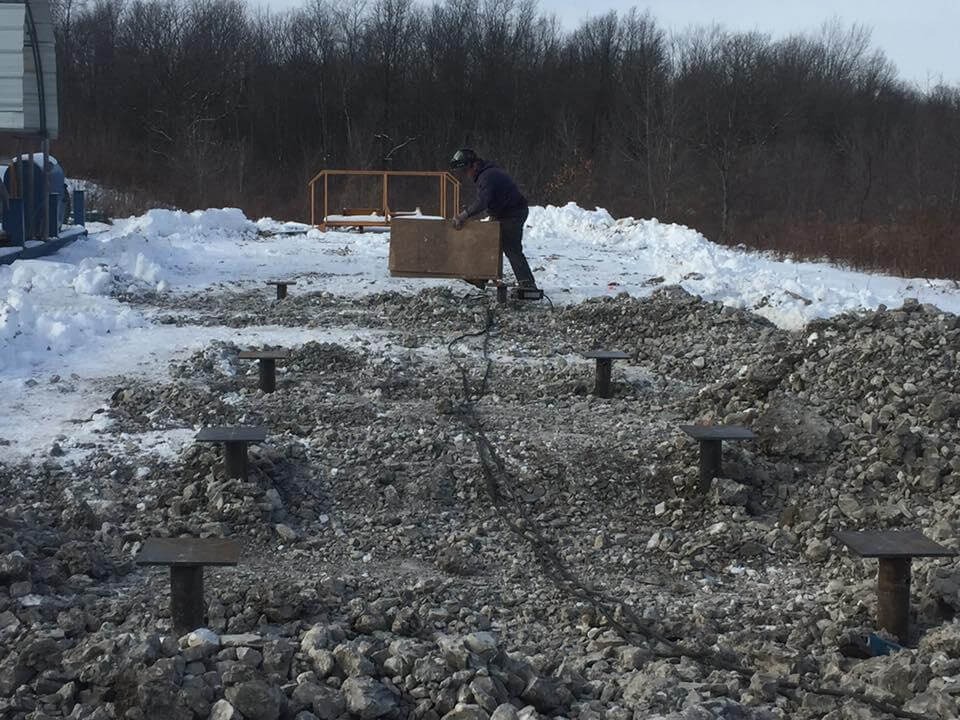
Selecting the right pile foundation options starts with evaluating three key factors: soil type, site access, and environmental conditions.
Climate also plays a role. Concrete piles require specific temperature control during curing, while helical piles can be installed in most weather conditions, making them the more flexible pile foundation option year-round.

One of the biggest advantages of helical piles among all pile foundation options is measurable performance verification through torque data. The relationship between installation torque and pile capacity is expressed as:
Q₍ult₎ = Kₜ × T
Where:
As the pile advances, resistance increases with soil density. Installers monitor torque in real time; once target values are achieved, the pile is known to meet or exceed design capacity. This provides immediate confirmation without waiting for concrete curing or post-installation testing.
For critical structures, engineers often combine torque correlation with theoretical calculations or on-site load tests. When soil data are limited, using conservative safety factors ensures reliability.

Time and logistics are major considerations when comparing pile foundation options.
This makes them ideal for fast-track projects and remote sites.
However, they deliver unmatched capacity in dense soils and are commonly used in large infrastructure work.
In general, helical piles reduce project durations and costs by avoiding delays associated with curing or mobilization. Driven or cast-in-place piles remain viable for high-load or deep-foundation applications.

Proper documentation is vital across all pile foundation options. For helical installations, the torque log is the key verification document. It records:
Engineers review these logs to confirm consistency and compliance with design parameters. Erratic torque spikes may indicate obstructions or soft zones, prompting further analysis or testing.
Providing detailed records builds confidence, ensures code compliance, and simplifies project sign-off. Reputable suppliers typically assist contractors with proper torque documentation and coordination with engineers.
Selecting the proper pile foundation options ensures that your project starts on solid ground, literally and figuratively. Helical piles provide unmatched versatility, immediate verification, and minimal disturbance. Driven piles and cast-in-place concrete piles remain essential for specific conditions requiring greater depth or capacity.
By understanding end bearing vs friction piles, recognizing soil behavior, and documenting every installation detail, contractors can build durable, cost-efficient foundations.
Work with experienced, certified professionals who offer flexible purchasing options, reliable torque data, and transparent communication. The right pile foundation selection guide can help you achieve structural integrity, stay on schedule, and deliver superior results no matter the scale of your build.
Contact our expert team today to discuss your project and explore the best pile foundation options for your site. Take the first step toward a stronger build, get your quote today, and discover the most reliable, cost-effective pile foundation solution for your project.


