Back to blog
Picking the right helical pile drive head can be challenging. If you've ever tried to use a helical pile drive head that was too small or not a good fit, you know how frustrating those delays can be.
Imagine being on-site, ready to install piles, only to find your helical pile drive head can't deliver the required torque. Your machine strains, progress halts, and your crew is left idle as deadlines loom. It's a nightmare scenario that eats into your budget and can even hurt your reputation for reliability.
Fortunately, with a bit of planning and know-how, you can avoid that outcome. By matching the helical pile drive head to your project's torque needs and your machine's hydraulic capabilities, you ensure smooth installations and keep your crew productive.
In this blog, you'll learn how to pick the correct size of helical pile drive head for each job. We'll cover matching helical pile drive heads to torque and hydraulic requirements, choosing between skid steer or mini excavator attachments, key adapter and coupler tips, and maintenance advice to keep your equipment running reliably.
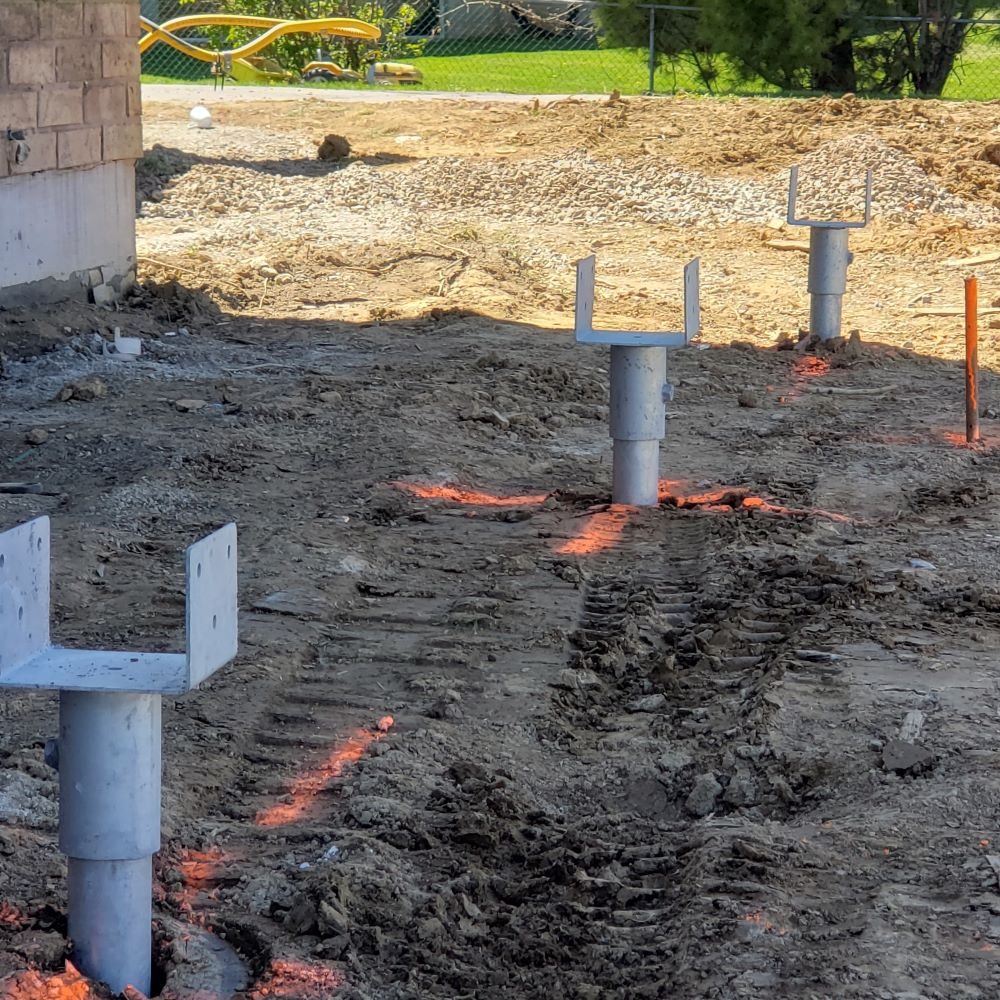
Choosing a helical pile drive head begins with understanding your project's torque requirement. Your helical pile drive head must be capable of achieving that torque. For example, if your job requires 6,000 ft-lbs of torque, you should use a drive head rated beyond that, ideally with a little safety margin. A drive that's too small could stall out before the pile is fully installed.
Equally important are the hydraulic needs of the drive head. Check the flow (GPM) and pressure (psi) the head requires against what your machine can deliver. If a drive head requires 20 GPM but your skid steer only provides 15 GPM, it will spin slower and struggle to reach full torque.
Similarly, a drive designed for 3,000 psi won’t perform optimally on a machine that maxes out at 2,500 psi. Always match the drive head’s spec sheet to your equipment’s capabilities to avoid underpowering or straining your machine.
Also, consider the size and stability of your equipment. High-torque drive heads exert strong reaction forces. Don’t put a huge helical pile drive head on a tiny excavator or loader; the torque could make the machine unstable or cause excessive wear. Make sure your carrier’s weight and hydraulic capacity are appropriate for the drive head’s torque class. A bit of foresight in matching the right drive head to the right machine will result in smoother and safer pile installations.
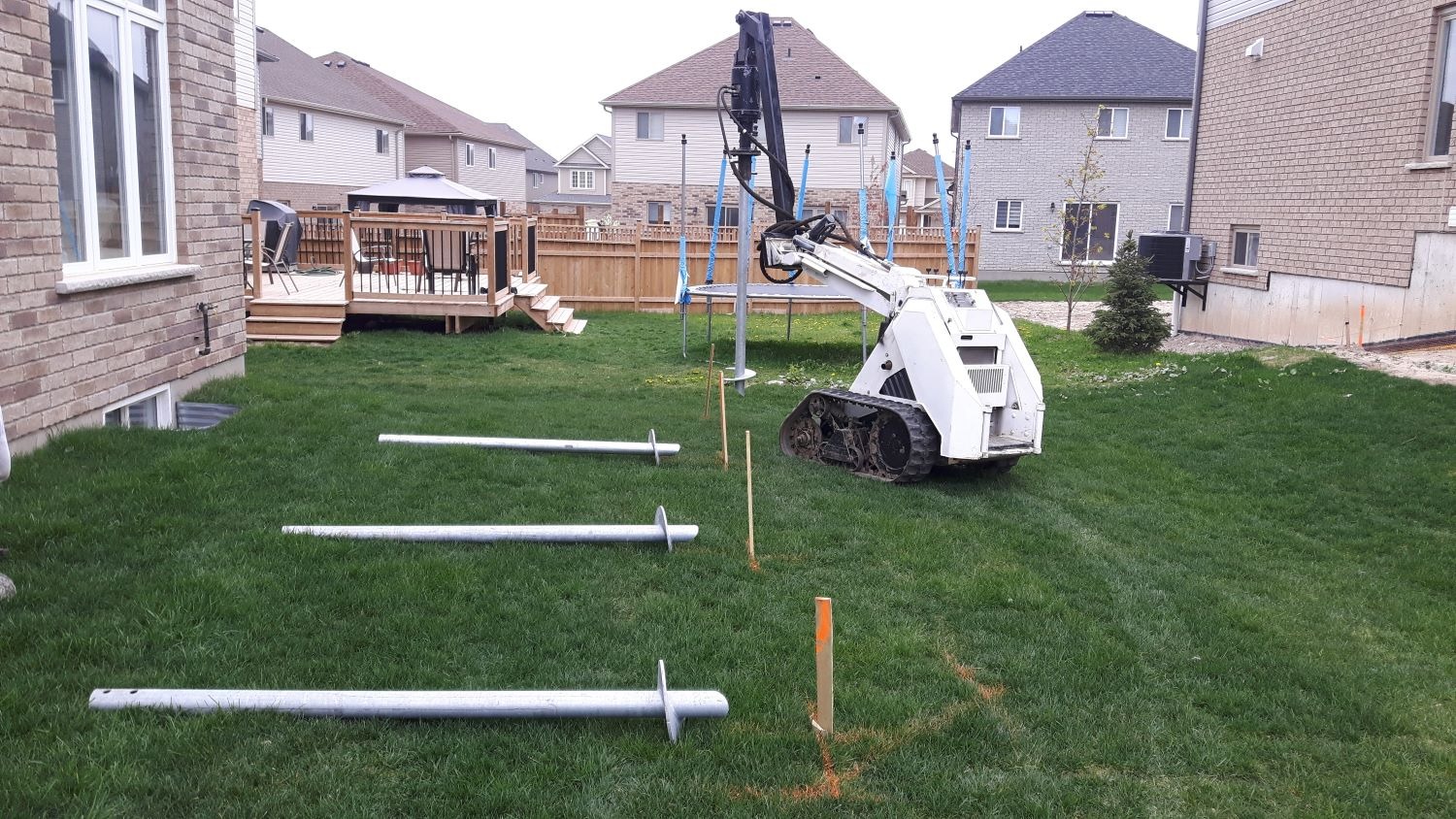
Contractors often have to choose between using a skid steer or a mini excavator to install piles. Each option can drive a helical pile drive head, but there are differences in how they perform and what they’re best suited for.
Using a skid steer with a helical pile attachment is great for open sites and quick maneuvering. If your project has extensive space or multiple pile locations spread out, a skid steer allows you to zip between spots faster, boosting productivity.
Skid steers typically travel quickly around a site, and a high-flow hydraulic system can provide substantial torque, enabling faster pile driving. Just make sure your skid steer’s hydraulic flow is up to the task; standard-flow machines might struggle with larger helical pile drive head attachments unless they have a high-flow package.
Also, remember that with a front-mounted attachment, you need clear front access and enough headroom to drive the piles vertically.
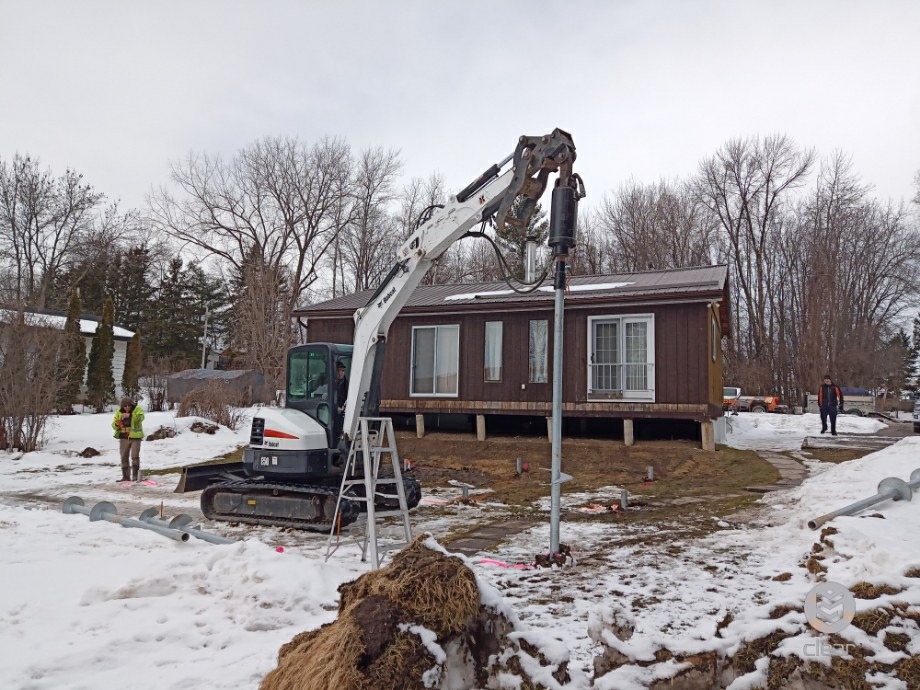
A mini excavator offers excellent flexibility for pile installation, especially in tight or hard-to-reach spots. Mounting a helical pile drive head on the excavator’s boom gives you the ability to reach over obstacles, work on slopes, or even install piles inside existing structures by angling the boom.
Minis provide a stable platform for torque and can often handle decent-sized drive heads, considering their weight. They do move more slowly around the site than a skid steer, but they excel when precision placement is more important than travel speed.
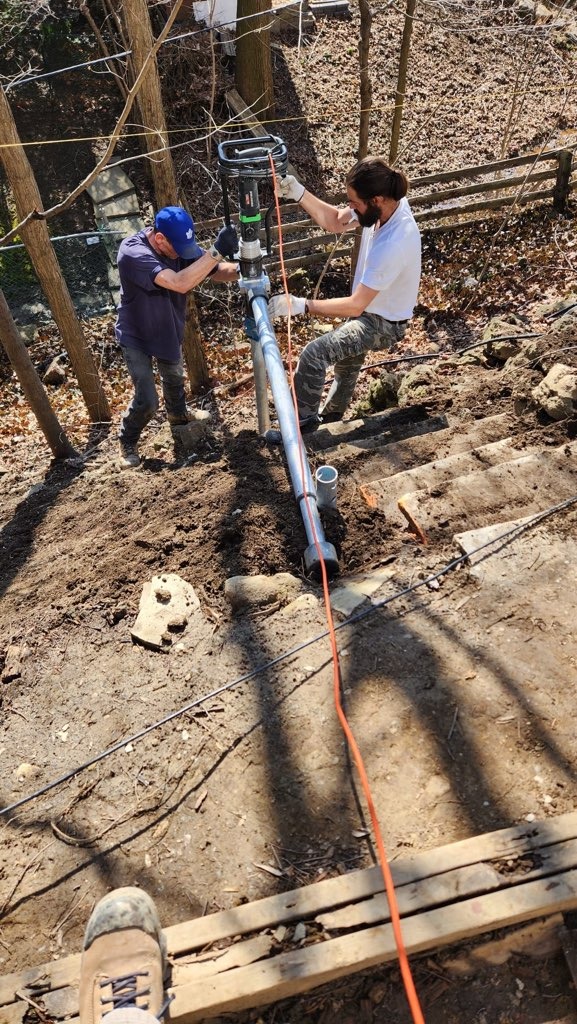
Many contractors keep both options available and choose the one that fits each project’s needs. For tight or remote sites, you can even use portable helical pile installation equipment, a handheld helical pile driver that allows you to install smaller piles without the need for heavy machinery.
Having the right attachments ensures that the torque from your helical pile drive head transfers efficiently into the pile. The proper bits, adapters, and couplers also reduce downtime when switching between pile types or sizes.
Match your drive head to the pile shaft with the correct adapter. Helical piles come in different shaft shapes (round, square, etc.), so use the corresponding adapter (for example, a 2-inch square adapter for a 2-inch square shaft) to prevent slippage or damage. Using the exact adapter made for your pile size will keep the connection tight and efficient.
These heavy-duty connectors attach the adapter to the drive head, and sturdy pins secure everything in place. Ensure you’re using the correct size and grade of pins to handle the forces. Check your pins regularly for bending or wear. Replacing a $5 pin before it fails is far better than having one shear off during an install and cause downtime.
Some drive heads let you swap bits and adapters in seconds via quick-release couplers. Investing in a quick-change setup speeds up your workflow and also reduces the risk of injury (no one likes hammering out a stuck pin in bad weather). With a quick-change system, you can switch between pile sizes without wrestling with bolts or pins, which keeps the job moving and your crew happier.
Using the correct tools and a quick-change system keeps your operation efficient. You’ll spend less time installing piles and more time focusing on equipment. And since you’re not locked into any franchise’s proprietary gear, you can source quality adapters and drive tools as needed. That means you get exactly what you need, when you need it, with no unnecessary hoops to jump through.

To install piles correctly, you need to know the torque you’re achieving in real time. Most helical pile drive head setups include a pressure gauge (or can be fitted with one) that displays the hydraulic pressure, which directly correlates with torque. It’s essential to keep this gauge calibrated and accurate so you can rely on its readings.
Some modern systems even have digital in-cab readouts that display the torque value for you. Either way, monitoring the torque as you drive each pile tells you exactly when you've hit the target. In fact, engineers or inspectors often require that you reach a specified torque and may ask for documentation of the final readings.
Make sure your crew knows how to read the gauge or display and when to stop turning the pile. A reliable readout eliminates the guesswork; you’ll know the pile is accurate as soon as the dial or screen displays the correct number.
Just remember to treat your torque gauge or sensor with care. Keep it protected from bumps, and check its calibration periodically. When your equipment provides accurate feedback, you can install every pile with confidence that you're meeting the specifications.
Even the best equipment can falter without proper care. To avoid downtime, make regular maintenance of your helical pile drive head a habit and keep backup parts within easy reach. Here are a few key tips:
Staying on top of maintenance shows your clients that you're dependable, and it helps prevent problems before they start. And because you're not stuck dealing with a franchise middleman, you can get quality replacement parts at fair prices from independent suppliers like Mascore. Keeping your gear in top shape doesn’t have to be expensive or complicated, and your crew stays productive with minimal interruptions.
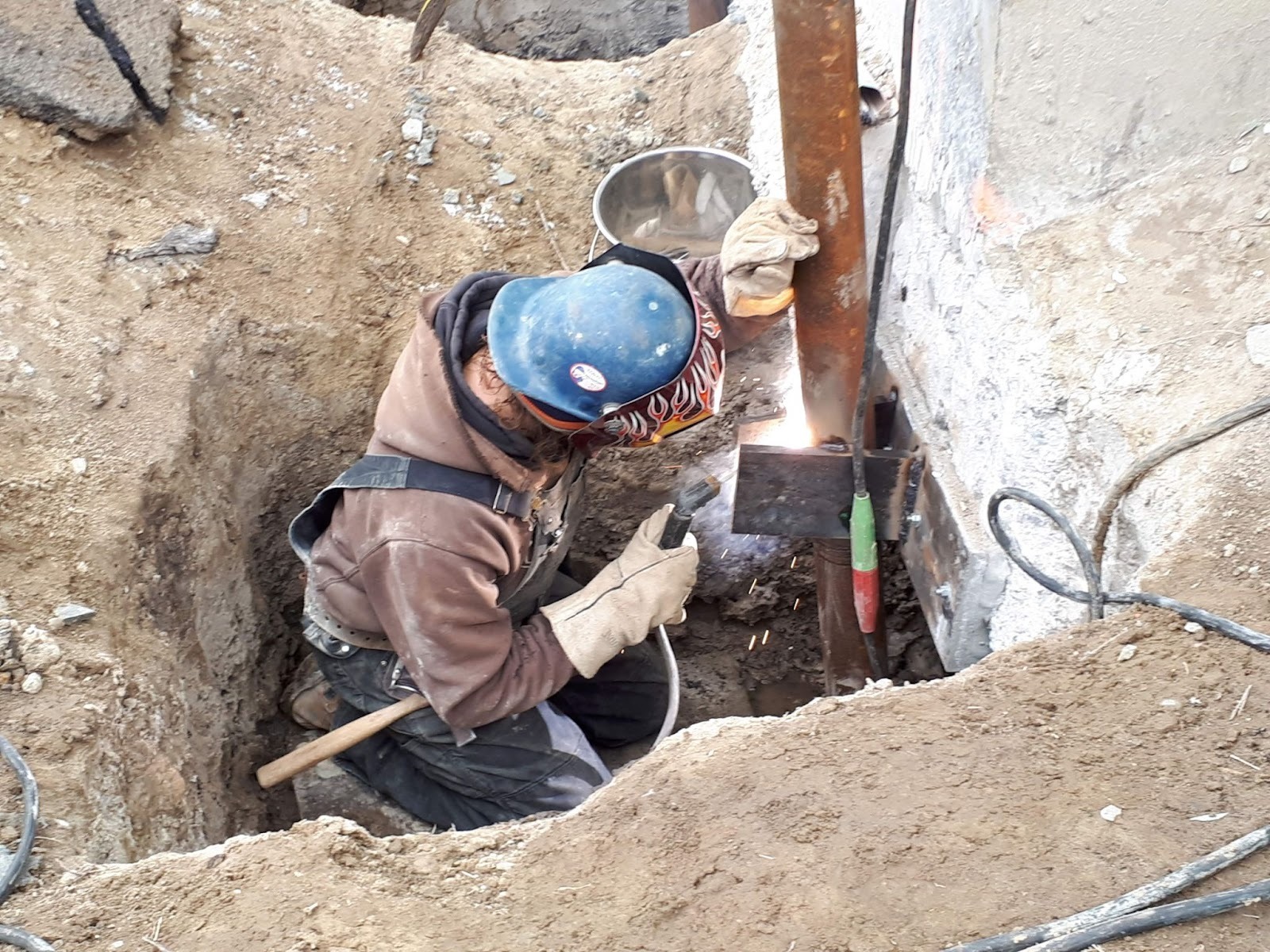
Using the right helical pile drive head and equipment, paired with the right partner, ensures every project runs smoothly from start to finish. At Mascore Helical Piles, we take pride in being a flexible and trustworthy partner for contractors like you. Because we're not bound by a franchise model, you gain direct access to our certified helical pile products and installation services, free from franchise fees and bureaucratic red tape. You can rely on us for materials, equipment, or comprehensive installation support, regardless of your project's location, and you'll work with the same reliable team every time.
Our lean operation keeps costs competitive without sacrificing personal service. When you call Mascore, you'll reach a knowledgeable expert, day or night. Whether you have a question about choosing a helical pile drive head or face a challenge on site, we're ready with real answers and a can-do attitude.
With Mascore’s honest, professional approach, you can count on dependable service and fair pricing on every job. Ready to get started? Contact Mascore today to get a quote.
Selecting the right helical pile drive head ensures you meet torque requirements and keep projects on track. This comprehensive guide explains how to match drive heads to your machine’s hydraulic requirements, including the helical drive head units needed, whether to use a mini excavator helical drive head or a skid steer helical pile attachment, and how to utilize portable helical pile installation equipment for hard-to-reach jobs. By following the tips on adapters, calibration tools, and drive head maintenance tips, you’ll avoid downtime and operate with confidence. In short, using the proper equipment and partnering with a flexible supplier helps you build a solid foundation efficiently and reliably.


