Back to blog
Are you confident your steel piles will still be holding in 30 years? If your project involves using plain steel helical piles in harsh soil, coastal air, or freeze-thaw climates, that question should prompt you to pause. The real threat isn’t poor workmanship or weak materials, it’s corrosion. It creeps in quietly, out of sight, and by the time you notice it, the damage is done. Steel piles that once looked solid can lose critical capacity underground, threatening the structure above and undermining your name on the job.
The frustration is real. You spend time getting every load calculation right, every pile in line. But if the piles corrode because no protection was specified, that effort can be wasted. And when repairs come years later, the blame doesn't fall on the engineer; it lands on the contractor who "should’ve known better." It’s not just about money. It’s about reputation. You didn’t cut corners, but corrosion did it for you.
That’s why hot-dip galvanized helical piles are worth understanding. The zinc coating acts as a barrier, buying you time and confidence in tough environments. It slows rust, protects the steel, and makes your work stand up to decades of weather, moisture, and shifting ground. When you know when to specify galvanizing and how to ask for the right standard, you avoid surprises and costly callbacks down the road.
This blog walks you through everything you need to know: when galvanized piles pay off, what thickness matters, where corrosion hits hardest, and how to make sure your supplier understands what you’re asking for. If you've ever had doubts about whether galvanizing is worth it, this guide is written for you.
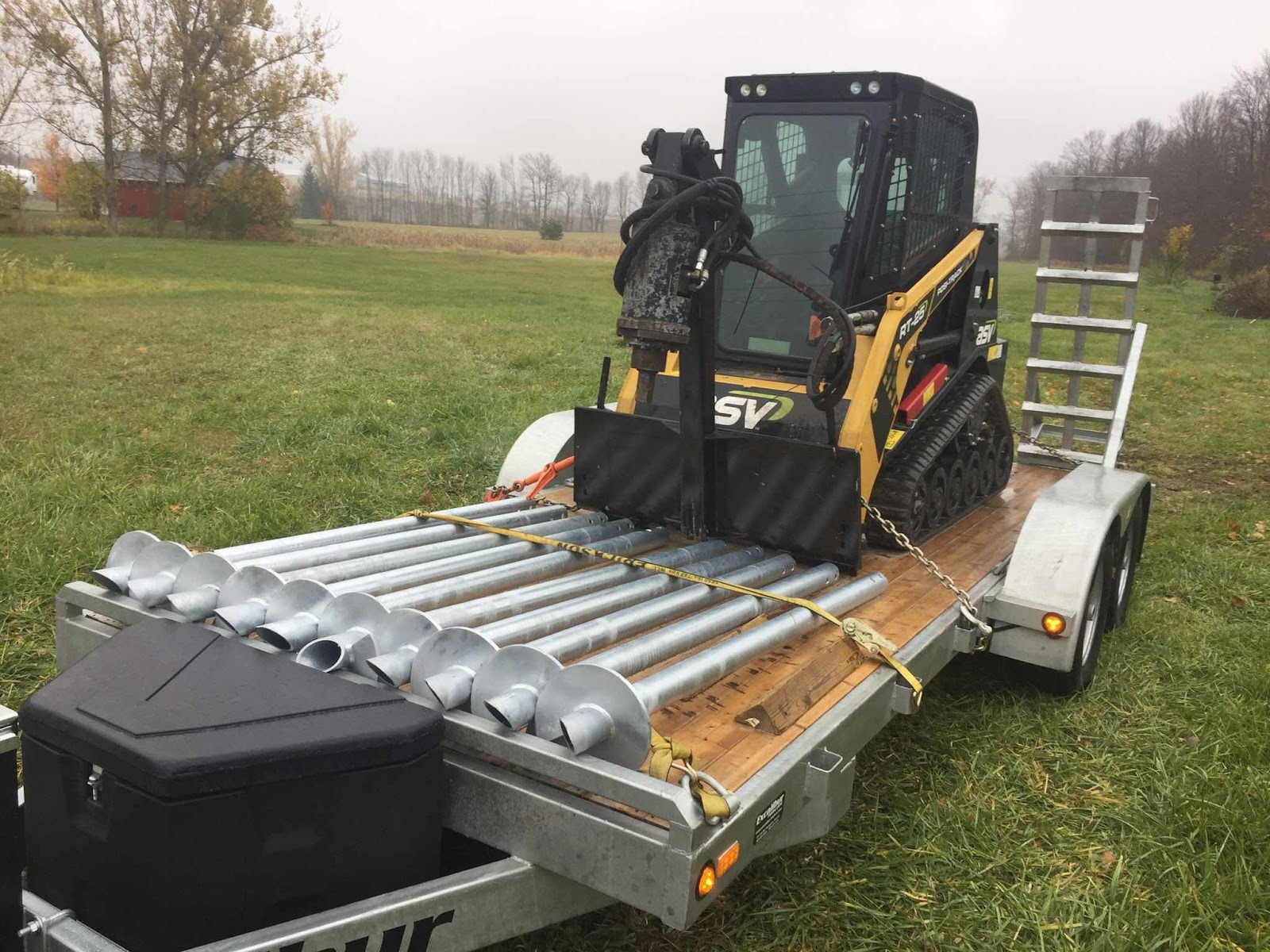
Plain steel piles may be less expensive up front, but they come with long-term risks. Once installed, they are exposed to moisture, chemicals, and oxygen in the soil conditions that start breaking down unprotected steel from the day it's in the ground.
Galvanized piles are coated in zinc, forming a physical and sacrificial barrier. That means longer life, less risk, and fewer callbacks.
Key differences include:
When long-term value and durability matter, galvanized piles are often the better call.
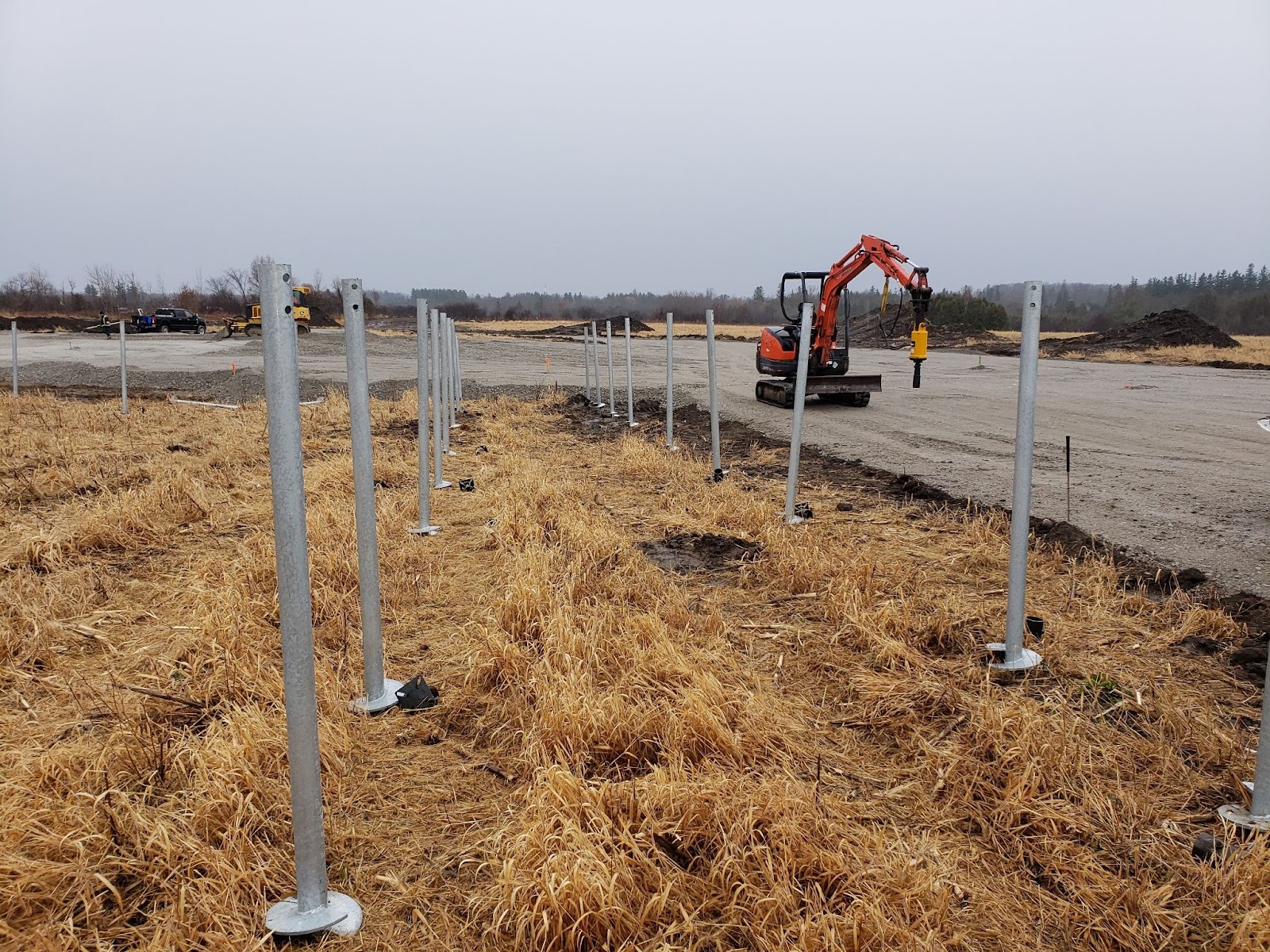
Not every site demands galvanizing, but plenty benefit from it. If you’re building in aggressive soil, coastal environments, or cold regions where salt is used, specifying galvanizing upfront saves time and cost later.
Use galvanized helical piles when:
By choosing galvanizing, you reduce future risk and extend the life of the structure above.
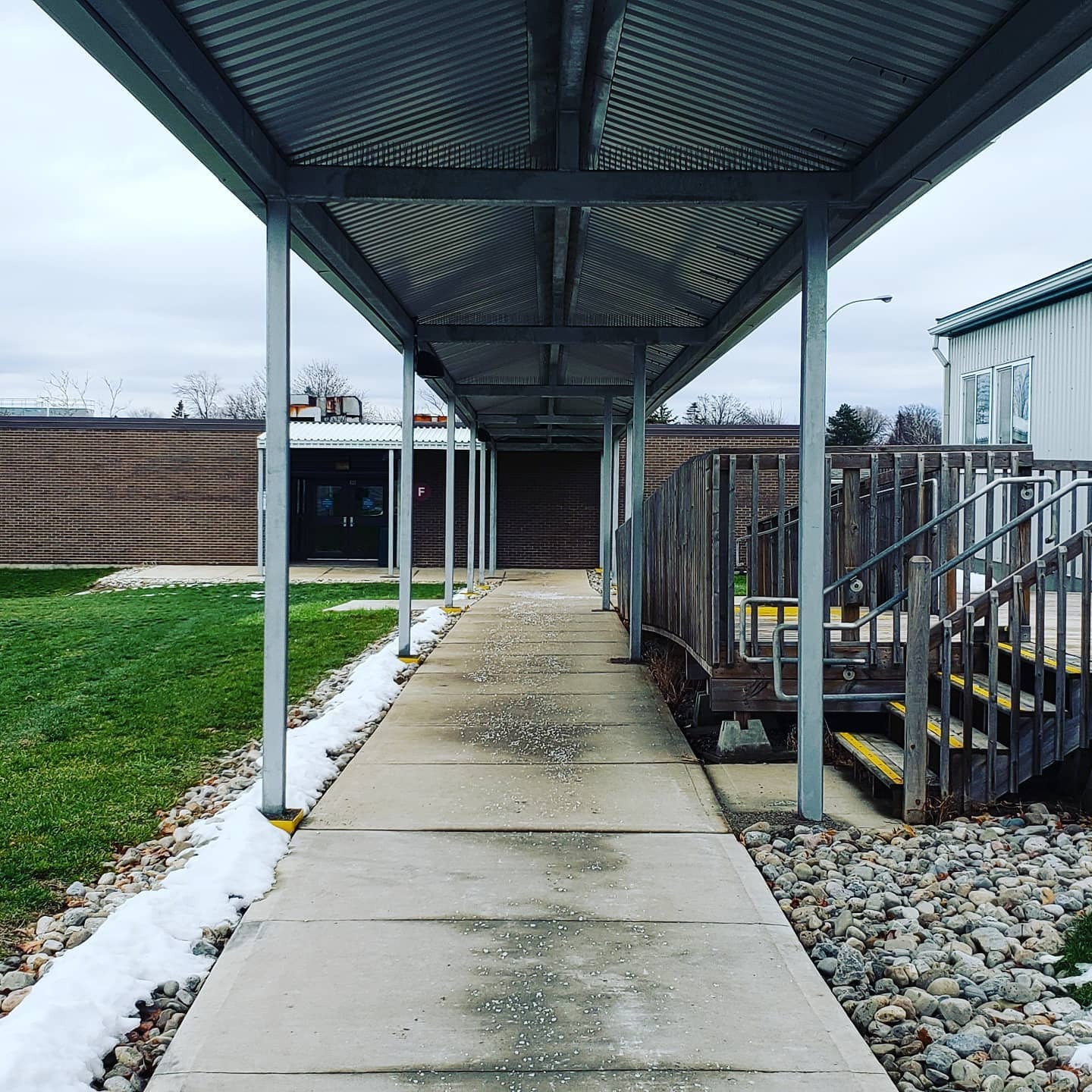
Zinc coating is the heart of what makes galvanized piles effective, but thickness and consistency matter.
Hot-dip galvanizing adds a protective zinc layer to steel, and its thickness is critical for corrosion resistance. A thicker coating provides more sacrificial metal to shield the steel, resulting in a longer-lasting helical pile. Typically, the galvanized layer on a helical pile is a few mils thick (tens of micrometres), which provides decades of protection.
Galvanized helical piles should meet established standards to ensure the coating is sufficient. In the US, ASTM A123 defines zinc coating requirements for steel, while Canada uses CSA G164 for similar criteria. These specifications set minimum zinc thickness for various steel sizes, ensuring a uniform protective coating. Using piles that comply with ASTM A123 or CSA G164 means the zinc layer is properly applied and thick enough to guard against corrosion.
You can verify the zinc coating using a magnetic thickness gauge, a handheld device for non-destructive thickness measurement. It’s also important to inspect the galvanized surface visually. A proper hot-dip galvanized pile shows a continuous, even zinc coating with no bare steel or rust visible. Any damaged or thin areas should be touched up or re-galvanized to maintain protection.
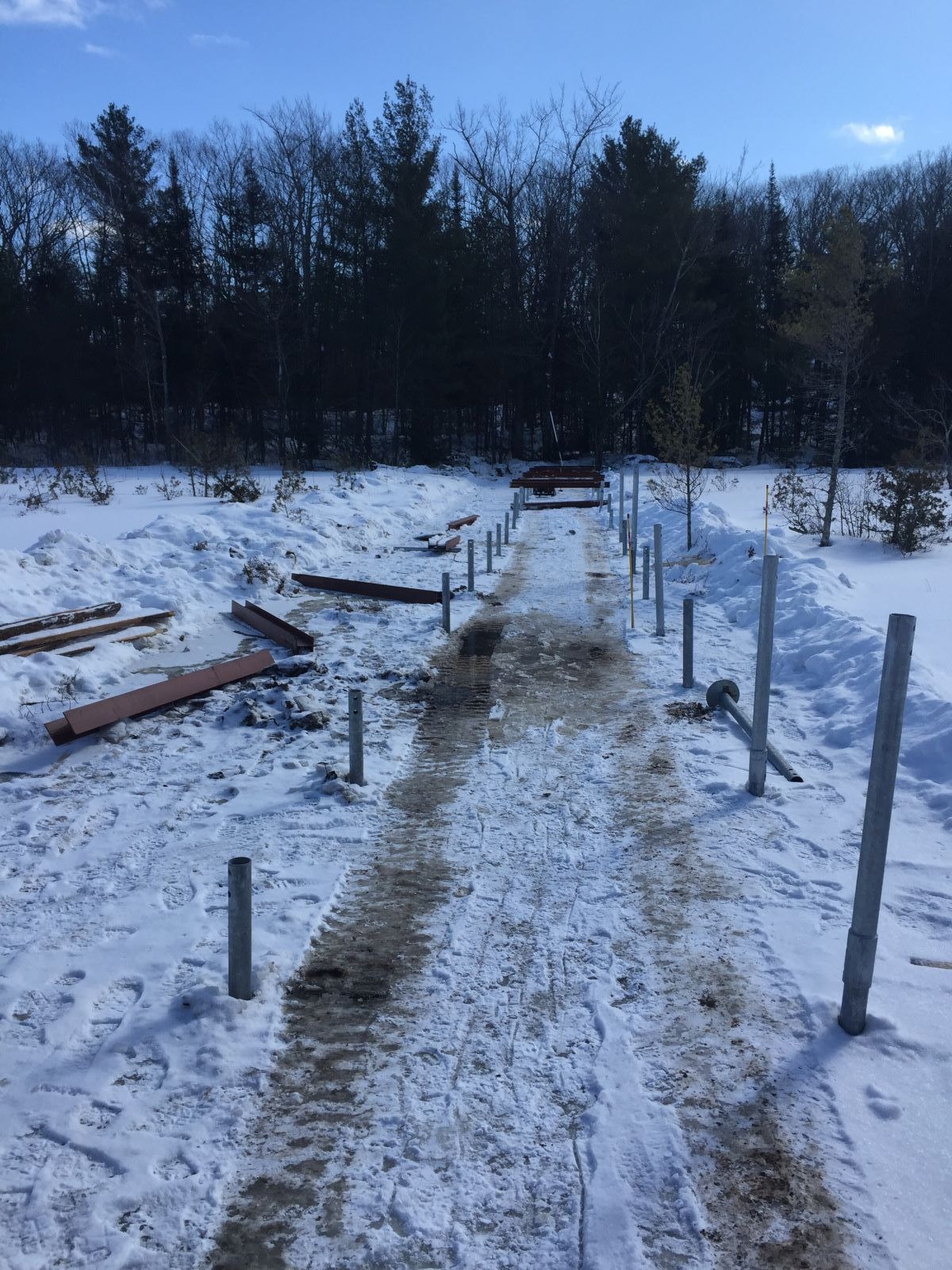
Some environments are much more challenging for steel than others. Understanding when galvanizing is necessary begins with identifying the risks.
Key exposure conditions to watch for:
Why these matter:
In all these cases, a hot-dip galvanized pile performs better and lasts longer than untreated alternatives.
Knowing the technical benefits of galvanizing is one thing; communicating your requirements to suppliers and subs is another. To ensure you actually get what you need, use clear specification language that your helical pile supplier will understand and respect. This means referencing the proper standards and criteria.
For instance, instead of saying “Use coated piles,” be specific: “Provide hot-dip galvanized helical piles in accordance with ASTM A123 with minimum coating thickness of 85 µm on all surfaces.” This type of clause clearly specifies the exact process and quality you expect from the supplier. Suppliers deal with specs all the time, so citing the standard (ASTM or CSA) is like speaking their language.
You should also include any particular concerns: for example, “Galvanizing required due to corrosive soil (pH < 5) and high chloride content.” This alerts the supplier and installer that corrosion protection is not optional on this job.
Additionally, clarify if field touch-ups are needed: e.g., “All field cuts or welds on galvanized piles must be repaired with zinc-rich paint per ASTM A780.” By including that, you ensure no exposed steel is left unprotected.
In short, translate the coating standards for helical piles into your spec document. It not only helps you get compliant bids, but also signals to the supplier that you know what you’re asking for.
A knowledgeable, flexible supplier like Mascore will appreciate a well-defined spec, it helps them deliver the exact corrosion protection level you require without confusion. And as a contractor, you’ll avoid the risk of a misunderstanding leading to plain steel piles showing up on a job that really needed galvanizing.
Using hot-dip galvanized helical piles is about protecting your work and your reputation. As a contractor, you want the foundations you install to last and perform for a lifetime. Galvanizing is a proven method to achieve this by stopping corrosion before it begins. We’ve seen that the benefits of hot-dip galvanized helical piles include extended lifespans, reduced maintenance, and greater reliability for the structures built on them. Ultimately, choosing galvanized piles when appropriate reflects an honest commitment to quality and long-term value for your client. It’s a professional choice that says you’re thinking ahead, not cutting corners.
Mascore Helical Piles exemplifies this forward-thinking approach. The company offers you the flexibility and dependable service that many franchise-bound competitors can’t match. Uniquely, you can either purchase certified helical pile products from Mascore or hire their experienced team to install them, all without the red tape of a franchise model. This means that, regardless of your project's location, you have a single trusted partner ensuring consistent quality. Mascore maintains a lean operation (they appear large, but it’s a focused team), which enables them to offer competitive pricing and personalized customer service. They care about helping you build safer, better structures using innovative methods, and hot-dip galvanized helical piles are a key part of that equation. By working with a dependable and trustworthy supplier like Mascore, you benefit from their expertise and honest advice on when galvanizing is truly necessary. Ultimately, it all comes down to giving you and your clients peace of mind.
When you’re ready to protect your next project’s foundation from corrosion and ensure it stands strong for decades, reach out to Mascore Helical Piles to get a quote.
The benefits of hot-dip galvanized helical piles revolve around longevity and durability. Galvanized piles provide superior corrosion protection and can dramatically extend a pile’s lifespan compared to plain steel, especially in harsh or marine environments. This blog covered the differences of galvanized vs plain steel helical piles, explained how zinc coating thickness and standards ensure quality, and outlined when galvanizing is most crucial (saline, high-moisture, or freeze-thaw conditions). By using galvanized piles and clearly specifying your requirements, you secure a foundation that will last for generations without worry of corrosion.


