Back to blog
Project schedules are tight. Soil can be variable from one corner of a site to the next. When you face those constraints, your foundation choice must be predictable. That is where understanding helix screws in helical piles pays off. With the right geometry, you get consistent installation and reliable bearing.
Cost risk grows when foundations underperform. Rework, delays, and claims can follow. You want a design that handles axial and lateral loads without surprises. Knowing how helix screws in helical piles carry load helps you plan with confidence and hold the line on time and budget.
The solution is straightforward. Build your decisions around the helix. Size, pitch, thickness, spacing, and depth all affect capacity. When you tune helix screws in helical piles to your soil and load, you get less guesswork and faster installs. You get this: consistent torque, clean data, and fewer change orders linked to ground conditions.
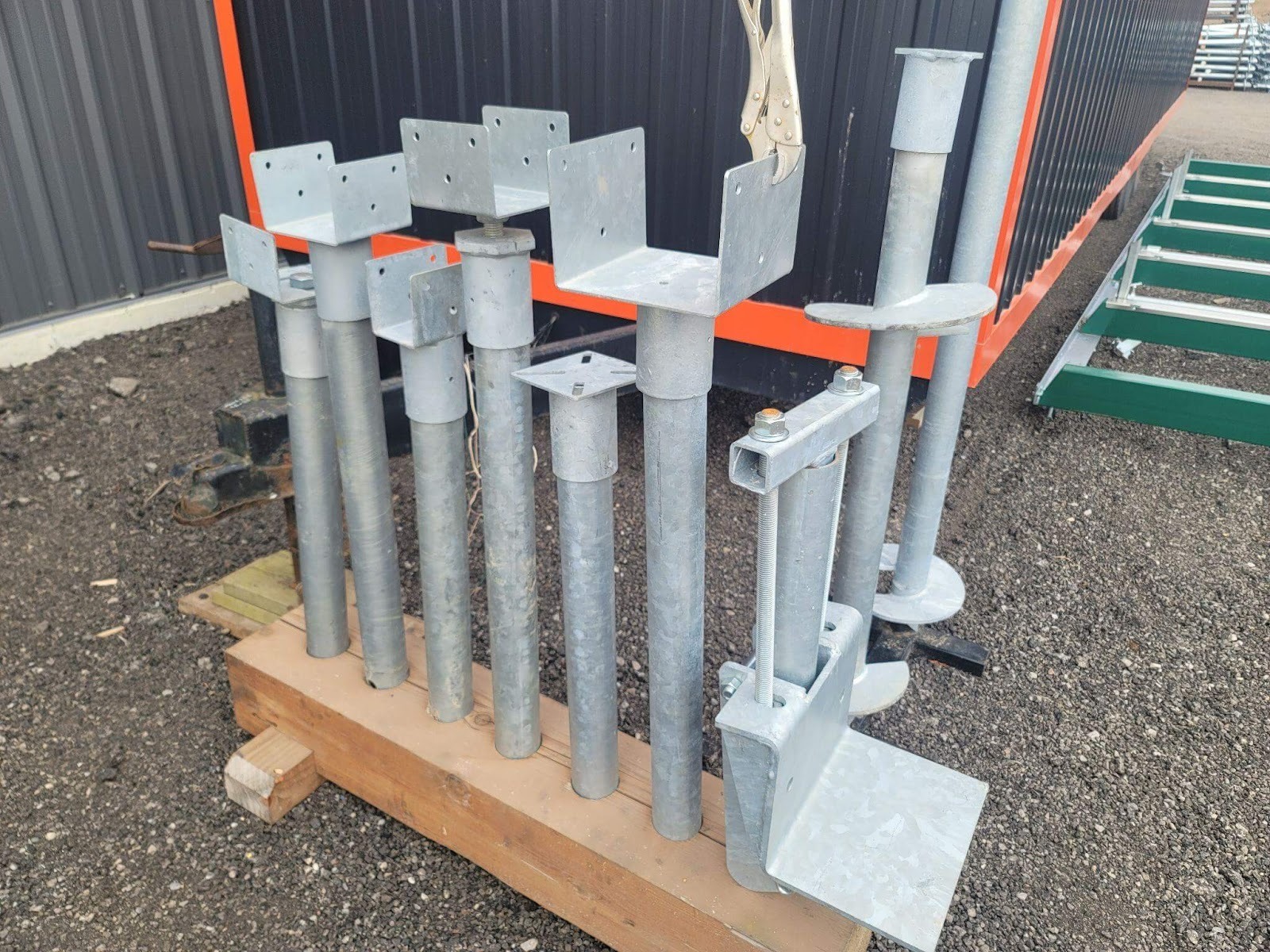
A helical screw pile helix is a circular steel plate welded to the shaft at a set pitch. It works like a screw thread in soil. As you apply torque, the helix draws the pile downward while confining soil to develop end bearing and friction. The working surface of helix screws in helical piles bears on competent strata, which is why accurate geometry matters.
Helixes come in different diameters and thicknesses. The combination of helix screws in helical piles with a suitable shaft size lets you place the load where the ground can carry it. Your goal is a clean cut into stable soil and a repeatable capacity reading.
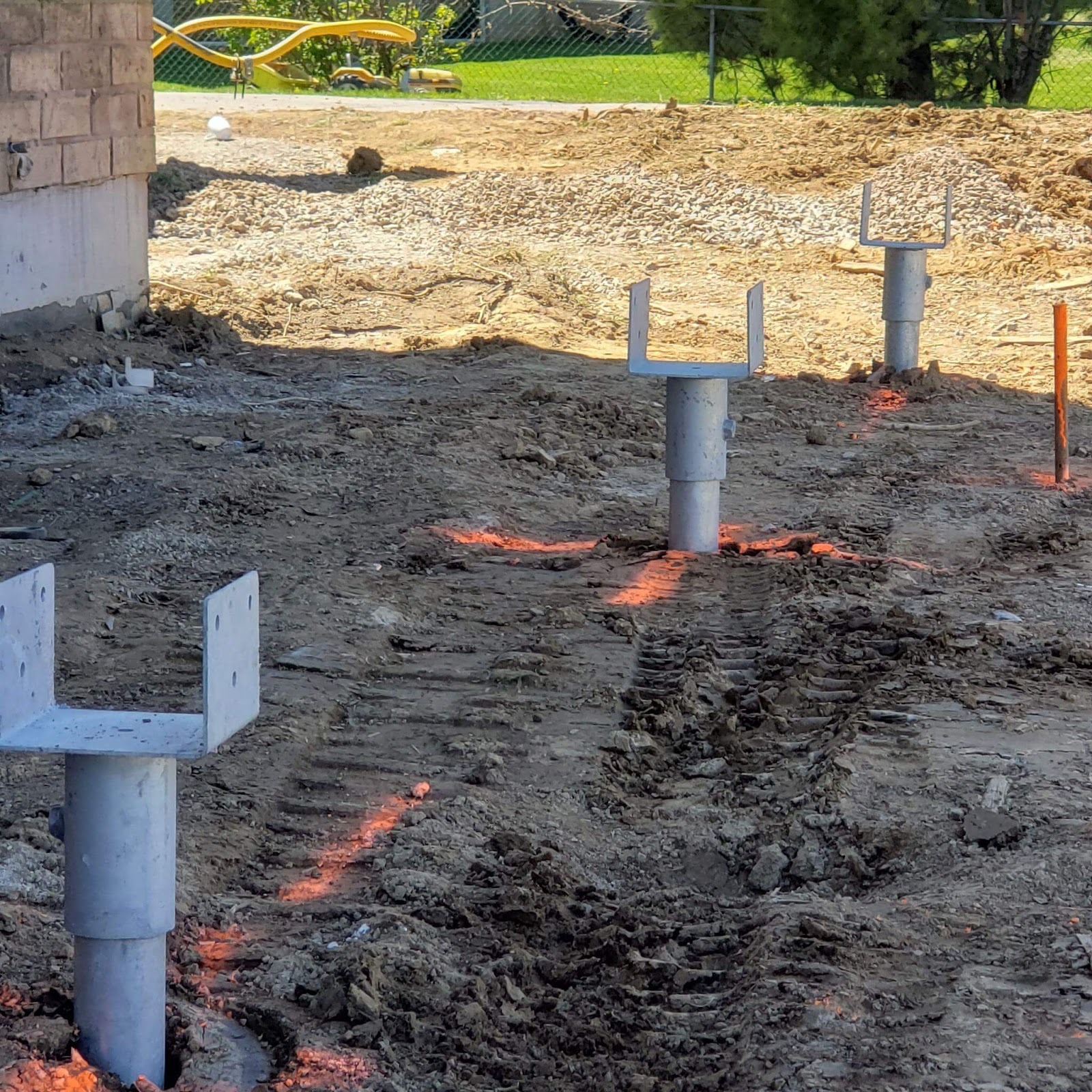
Helix plate design must match both loading and ground conditions. You’ll see options for steel grade, plate thickness, and corrosion protection. A sound helix plate design balances bearing area, plate thickness, and weld quality. Galvanized plates suit many sites; in aggressive soils, added protection can be specified. The right choices here keep helix screws in helical piles performing for the service life you expect.
Material options also influence installation behaviour. Tougher steels resist damage during rocky entries. Consistent plate thickness improves torque correlation. When the plate design is right, helix screws in helical piles enter cleanly, sit flat in bearing soil, and resist deformation.
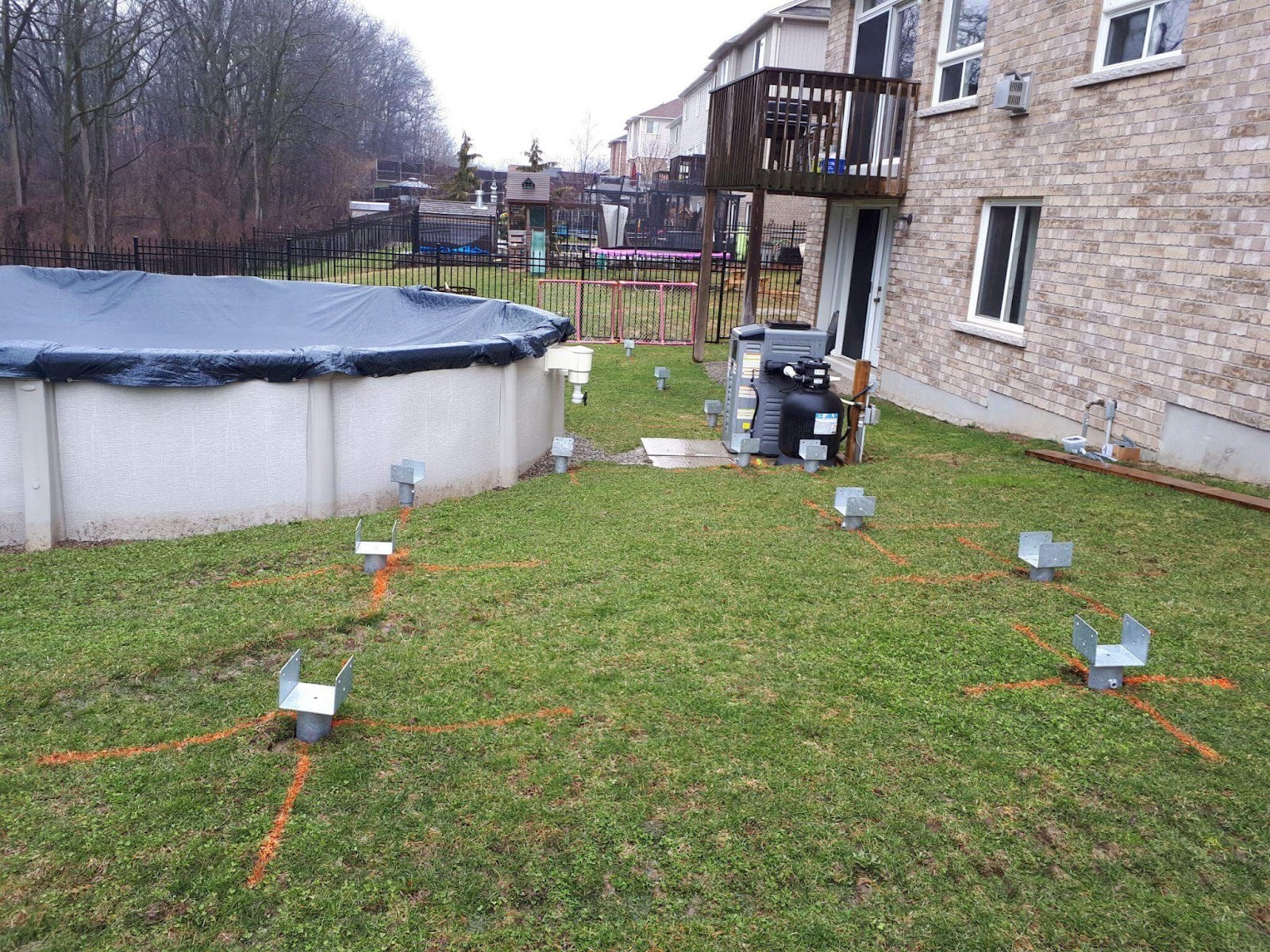
Helix screw pitch sets how far the helix advances per turn. In softer soils, a larger pitch can help advance and confine soil. In denser soils, a moderate pitch can improve seating and trim disturbance. Matching helix screw pitch to ground type keeps torque stable and safeguards capacity. Consistent pitch also helps your crew read installation data the same way across a site when using helix screws in helical piles.
A pitch that is too tight may churn soil. A pitch that is too large may over-advance. You want the right balance so helix screws in helical piles cut, seat, and bear without excess remoulding.

The number of helices on a pile affects both its total bearing area and how loads are shared between plates. Two or three plates are common for standard axial loads; higher loads or poor soils might need more plates and spacing that keeps stress bulbs from overlapping. You tune the number to match the required capacity while respecting installation limits for helix screws in helical piles.
More plates mean more bearing area, but you also add installation torque and length. The field goal is to reach competent strata without overstressing the rig. By balancing count and spacing, helix screws in helical piles deliver uniform seating and reliable uplift and compression resistance.

A helical pile helix size chart helps you pick plate diameters for target capacities in typical soils. Use it as a screening tool, then confirm with local data and torque correlation. Read across for diameter and down for soil class to find a starting point. This frames your shop order and mobilization plan for helix screws in helical piles.
Remember that charts generalize. Adjust for site-specific SPT, CPT, or lab results. On test piles, compare torque readings to your chart picks. When the match is close, helix screws in helical piles will meet design with fewer surprises.
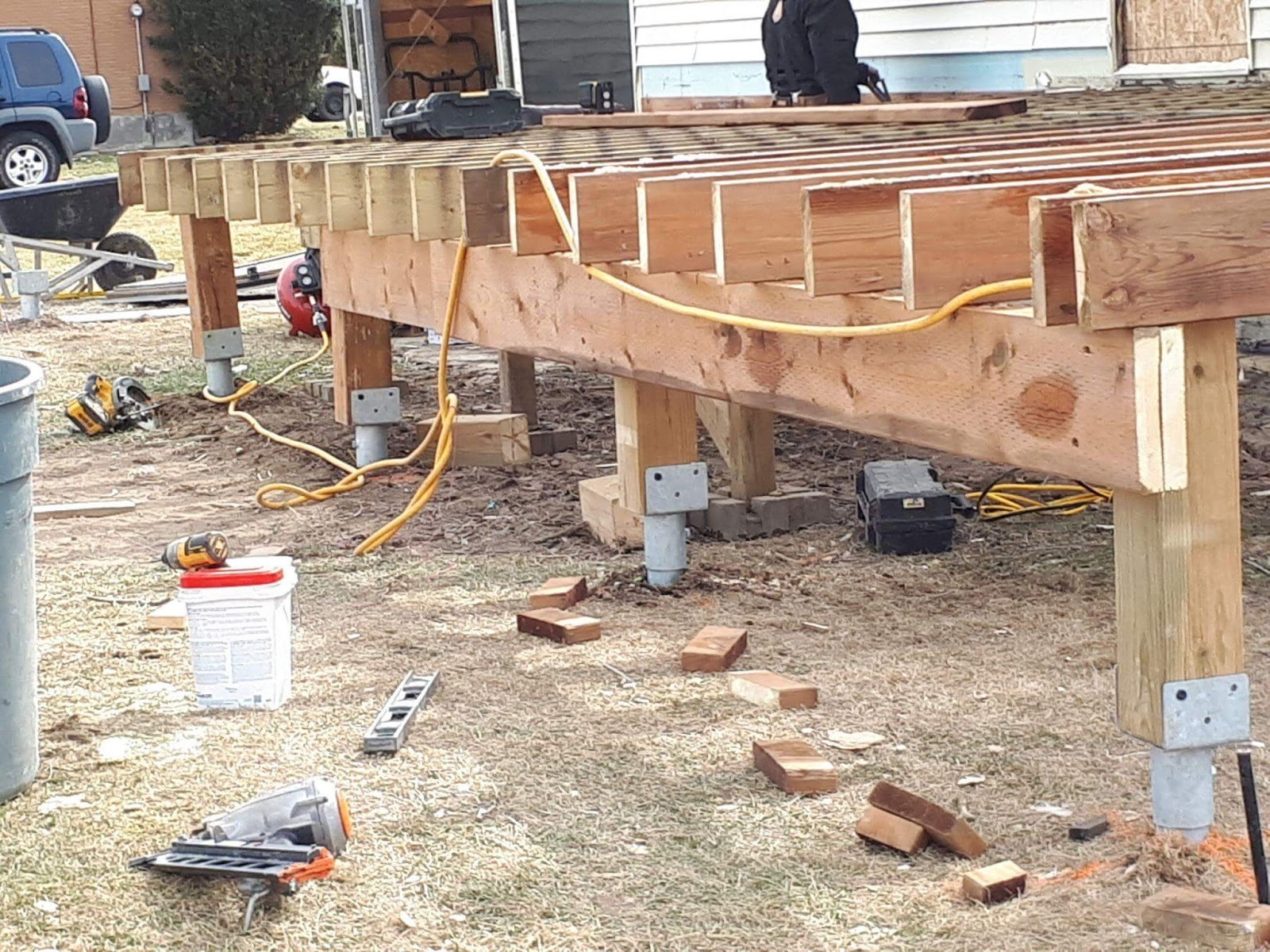
Helical plate bearing capacity comes from end bearing on competent soil and confinement around the plate. Cohesion and friction angle both matter. In clays, settlement behaviour differs from sands. Good practice is to seat the lowest plate in the best available bearing layer and let the upper plates follow suit. With that approach, helix screws in helical piles give predictable compression and uplift capacity.
You also consider long-term effects. In soft soils, consolidation and creep can affect service movements. In sands, density and relative density changes across the site may shift torque. Tracking these helps you tune helix screws in helical piles before production.
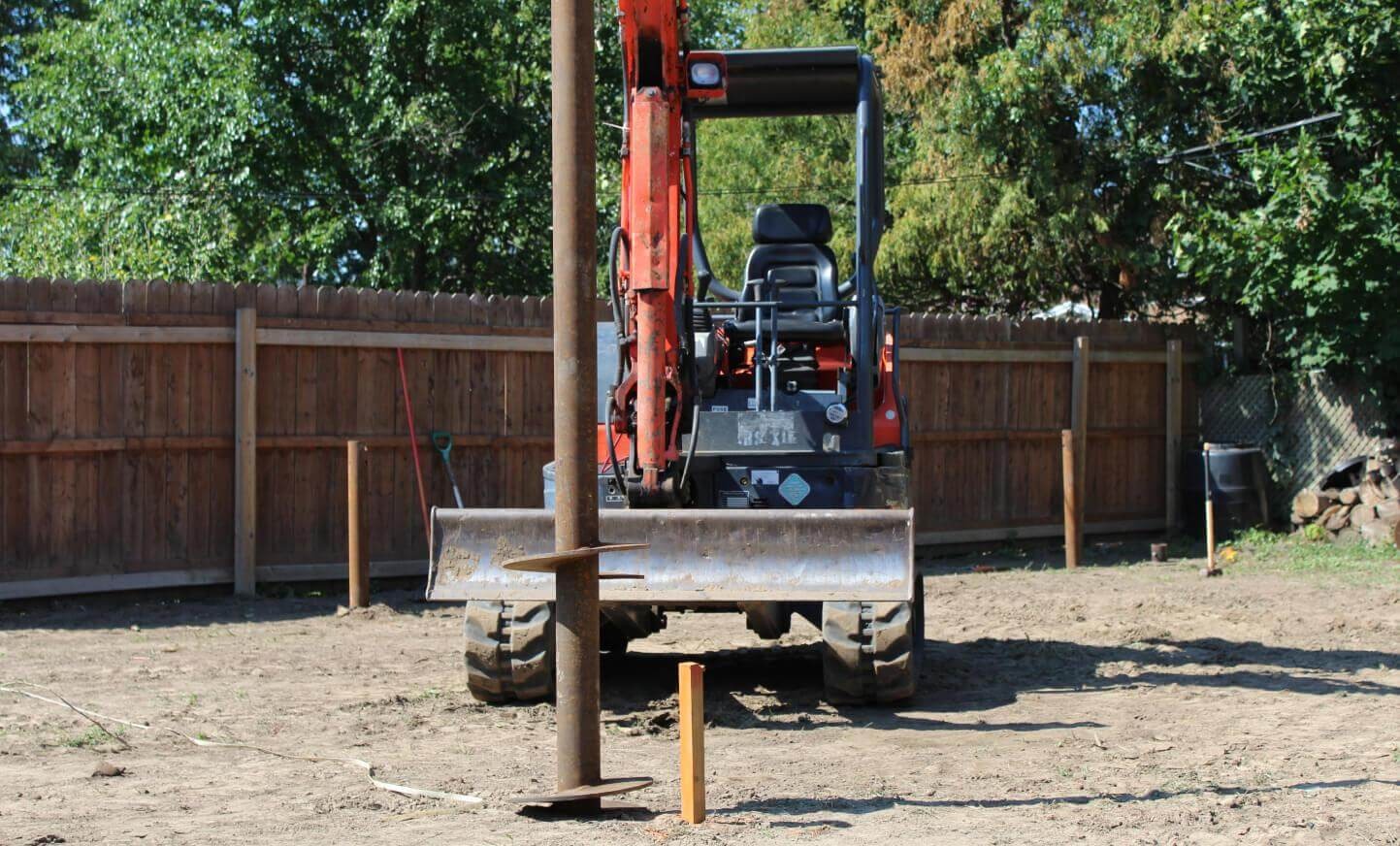
Install torque correlates with capacity. Your crew watches torque-rise as helixes cut and seat. A healthy curve climbs and stabilizes when plates reach the target layer. Documenting this correlation gives you a field acceptance path that supports your sign-off. With consistent readings, helix screws in helical piles can move from test to production smoothly.
Torque spikes can hint at cobbles. Plate spin without advance can point to soft zones. Keep rig calibration sharp, log RPM, and capture depth. Do that, and helix screws in helical piles tell a clear story about your bearing.
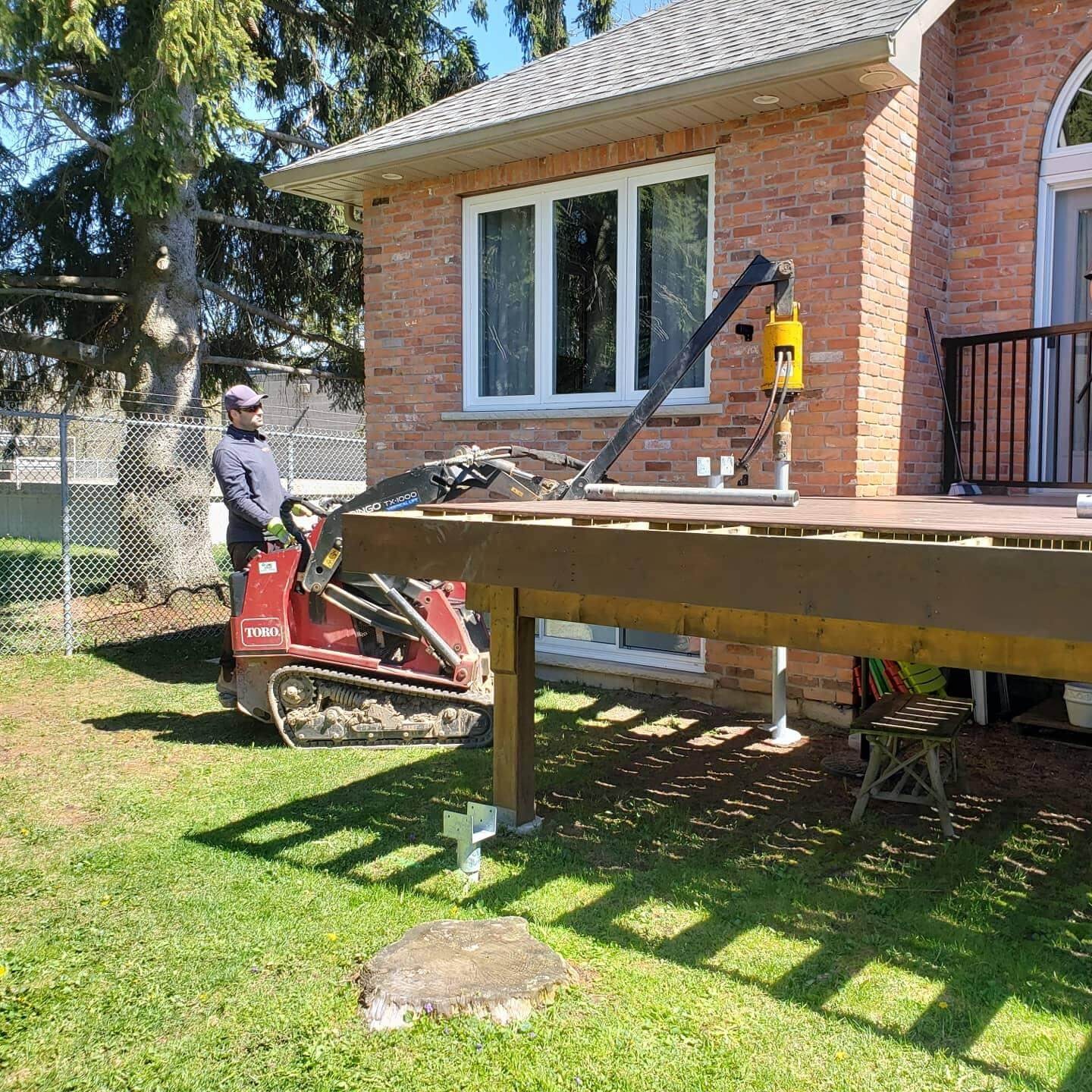
Depth matters. You want plates below the frost line and into soil that stays stable across seasons. Spacing between plates aims to keep stress bulbs independent. Typical practice uses spacing measured in plate diameters, adjusted by soil type and load. With the right depth and spacing, helix screws in helical piles achieve the target capacity with minimal movement.
Plan for obstructions. If you hit a lens or fill pocket, you may need to advance to the next competent layer. Keep spare extensions on hand. Well-planned logistics prevent idle time and help helix screws in helical piles finish on schedule.
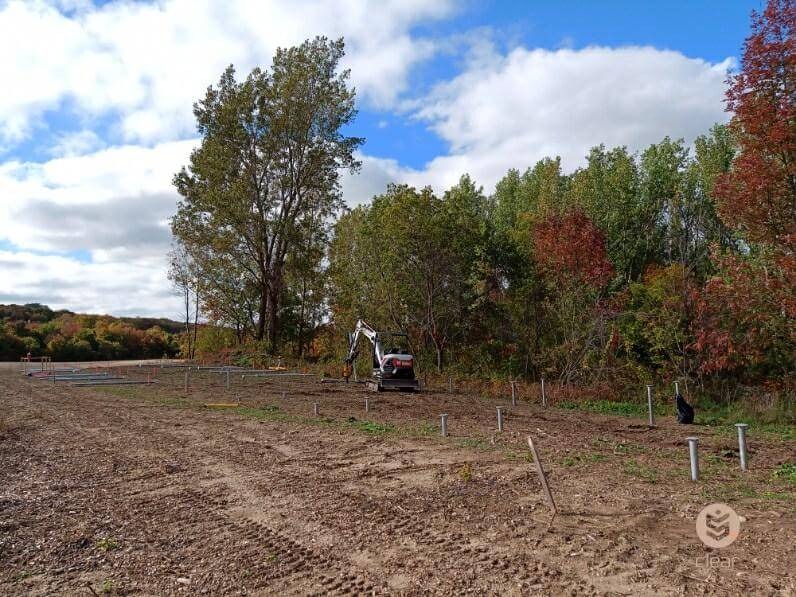
Before the first turn, check your gear. Inspect plate diameter, pitch, thickness, and welds. Confirm straightness and alignment. A quick field gauge and a tape can catch most issues. With correct geometry, helix screws in helical piles start true, track straight, and seat flat.
Document what you see. Photos with a ruler help. Keep a simple checklist per pile. When inspection is routine, helix screws in helical piles produce consistent torque and less wear on equipment.
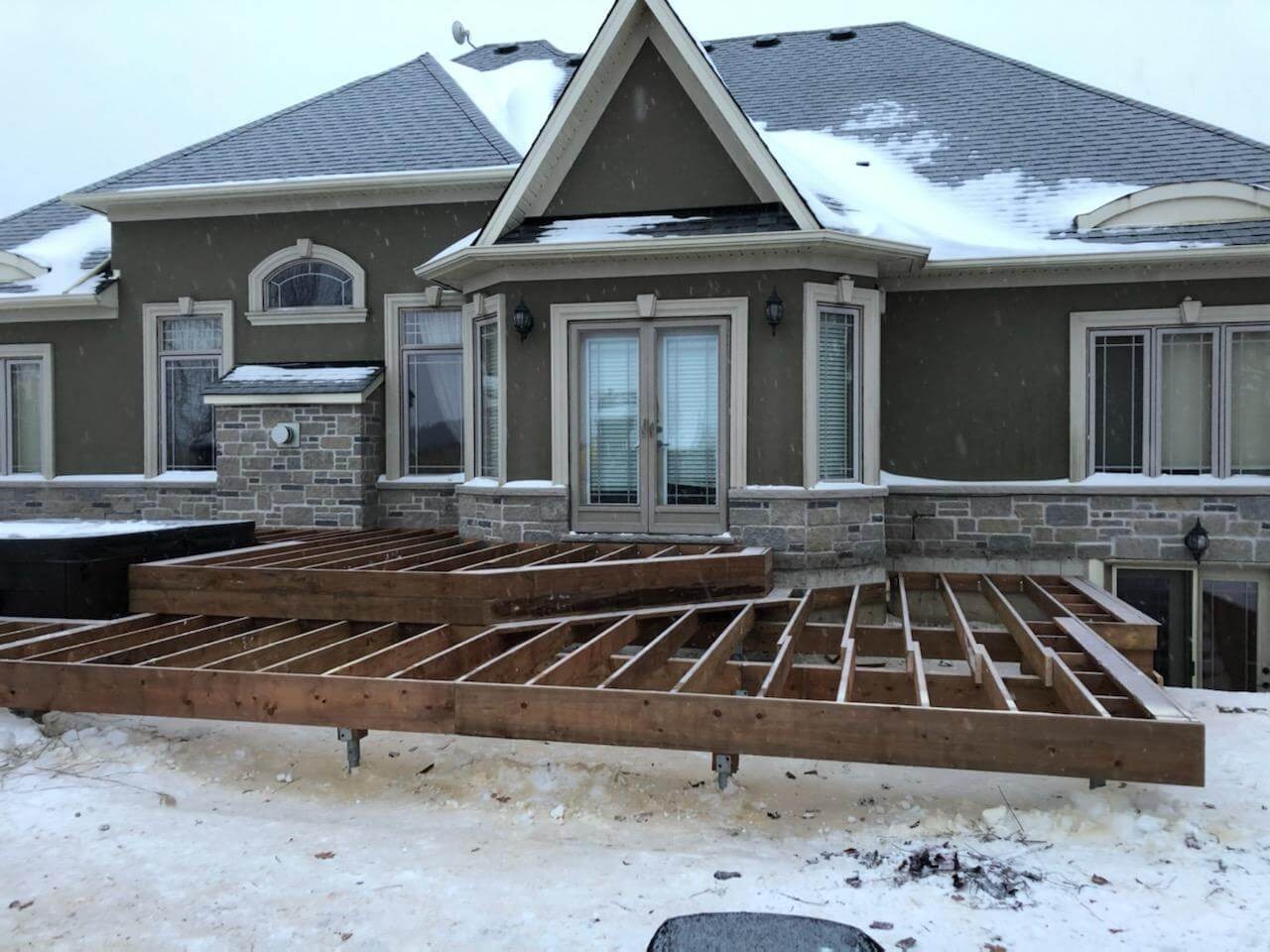
Rushing the pilot hole in dense fill can skew alignment. Ignoring torque plateaus can mask a soft seam. Skipping a post-install hold can hide early movement. These issues are avoidable with steady procedures. When procedures hold, helix screws in helical piles behave as expected and stay on spec.
Another frequent issue is mismatched plate stacks for soil type. Over-sizing plates in very dense soils can overtax the rig. Under-sizing plates in soft clays can inflate counts to reach the load. Right-sizing avoids both. Balanced choices keep helix screws in helical piles working for you, not against your schedule.
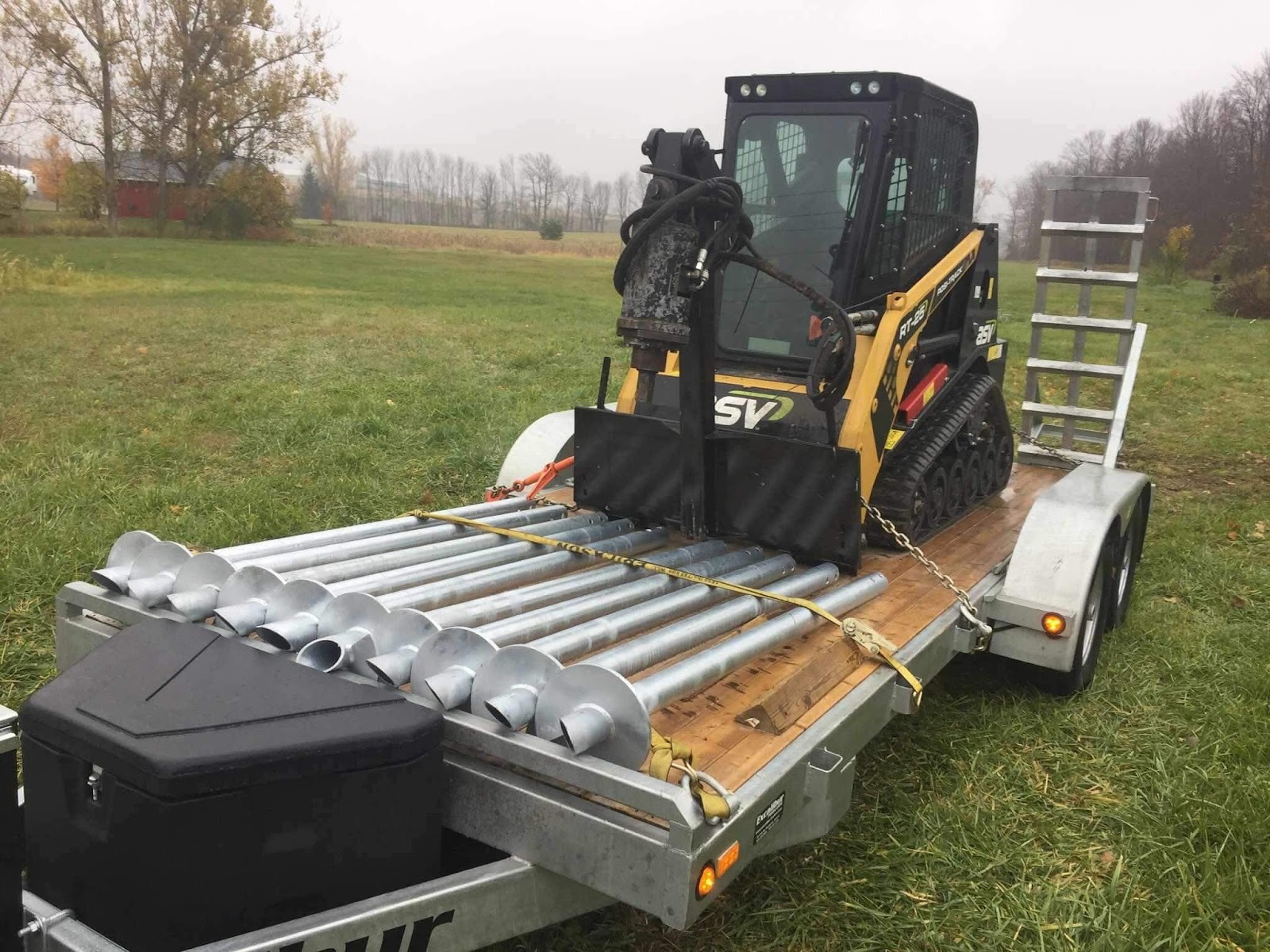
Procurement can slow a job when you must pass through layers of franchise rules. Mascore Helical Piles works without a franchise model, which gives you straight access. You can buy certified product or request installation support without extra franchise logistics. That saves you time, and you stay in control of sequencing with helix screws in helical piles.
Because Mascore runs a lean structure, you deal with a team that moves fast across regions. The image looks large, but you get a focused crew that answers the phone and tracks your job. You get this: consistent contact for projects across provinces or abroad, with competitive pricing and service that respects your labour and your timeline. That helps you plan, install, and verify helix screws in helical piles while keeping your client informed.
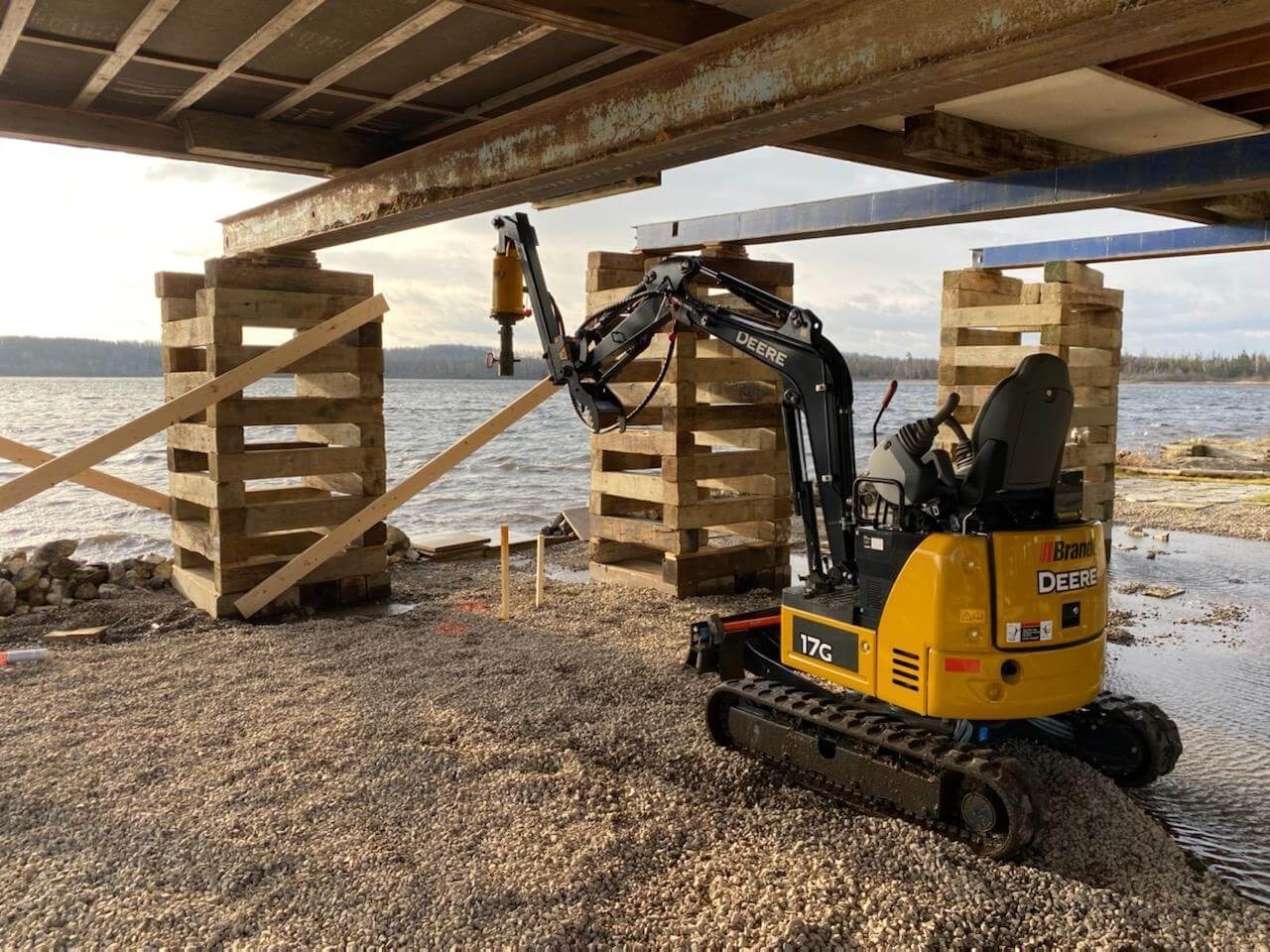
The helix is the heart of the system. When you match plate diameter, pitch, count, and depth to your soils, you get predictable performance. Read torque, confirm seating, and document results. With that routine, helix screws in helical piles will deliver the capacity your drawings call for, job after job.
Ready to plan your next foundation with the right helix geometry and installation data path? For a fast conversation on specifications and logistics, get a quote.
This guide explained how helix screws in helical piles carry load and why geometry matters. You saw how a helical screw pile helix, helix plate design, helix screw pitch, number of helices on pile, and a helical pile helix size chart guide selection. We covered helical plate bearing capacity, torque correlation, depth, spacing, and field checks so you can install with confidence.


