Back to blog
In Barry’s Bay, you make foundation choices that affect budget, schedule, and call-backs. When you compare helical piles vs concrete piers, you want clear facts. You care about certainty, not hype. The right choice saves labour and reduces risks you face on site.
Problems appear when old habits meet tight timelines. Excavation grows, forms shift, and inspections stack up. Curing delays can push the job, and then the weather can reset your sequence. When you look at helical piles vs concrete piers, you may ask a simple question: which path gives you fewer surprises and a cleaner closeout?
We offer a practical way to decide. This guide compares helical piles vs concrete piers using criteria you control every day. You will see how schedule, cost drivers, frost movement, access, and verification stack up. You get concise steps you can apply to the next footing layout.
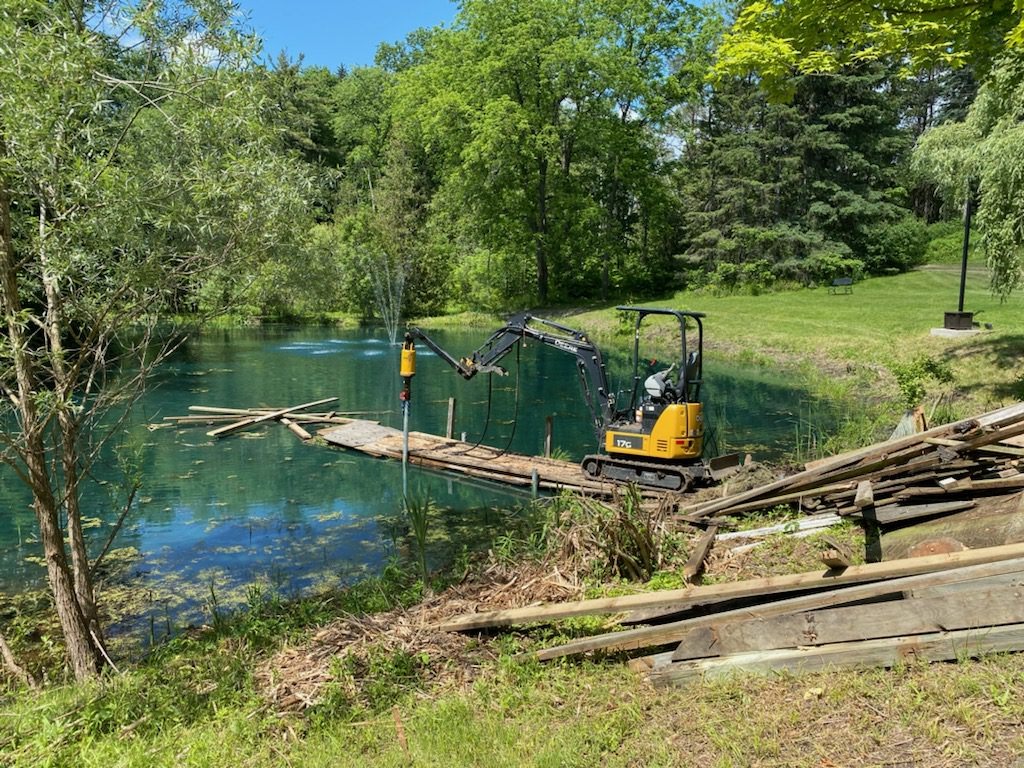
When construction crews mobilize for a project, the predictability of the timeline is paramount. A critical decision in foundation work, helical piles versus concrete piers, directly impacts this predictability. Helical piles offer a significant advantage in forecasting project timelines more accurately. A crew installing helical piles can often complete the installation on the same day, with no waiting period for curing. This means that once the torque logs are accepted, framing and subsequent construction phases can commence immediately, preventing costly delays.
Conversely, traditional concrete piers involve a multi-step process that is inherently more susceptible to delays. This process typically includes excavation, meticulous base preparation, the installation of forms, mandatory inspection windows, precise concrete pour timing, and a crucial curing period. Each of these steps represents a potential point of failure or delay. For instance, if a concrete truck encounters an unexpected delay or misses its scheduled delivery slot, the entire day's schedule, and potentially the project timeline, can slip. In stark contrast, the installation of helical piles offers a more direct and streamlined path: crews mobilize to the site, install the piles, verify the required torque, and then move on to the next phase of construction without the extensive waiting periods associated with concrete. This efficiency translates into greater control over project schedules and reduced risk of unexpected setbacks.
Key schedule gains you can bank include:
For inspection certainty, helical piles vs concrete piers use measured torque for acceptance. Your logs show depth and torque values. The engineer checks the numbers and signs off.

Budgets respond to variables you can influence. When you weigh helical piles vs concrete piers, look at controllable inputs. Labour hours, equipment size, rework risk, and delays drive totals far greater than unit material rates.
Costs you can actually control:
A fair comparison of helical piers vs concrete cost considers torque criteria, required pile count, and connection details. When torque is achieved at design depth, you avoid extra pours or overbuild to chase capacity. You also avoid frost-related heave repairs that eat into contingency.
Suppliers like Mascore keep procurement simple. You buy a certified product for your crew or request installation without franchise hurdles. That flexibility means you match resources to the job. In practice, helical piles vs concrete piers often streamlines soft costs tied to coordination.
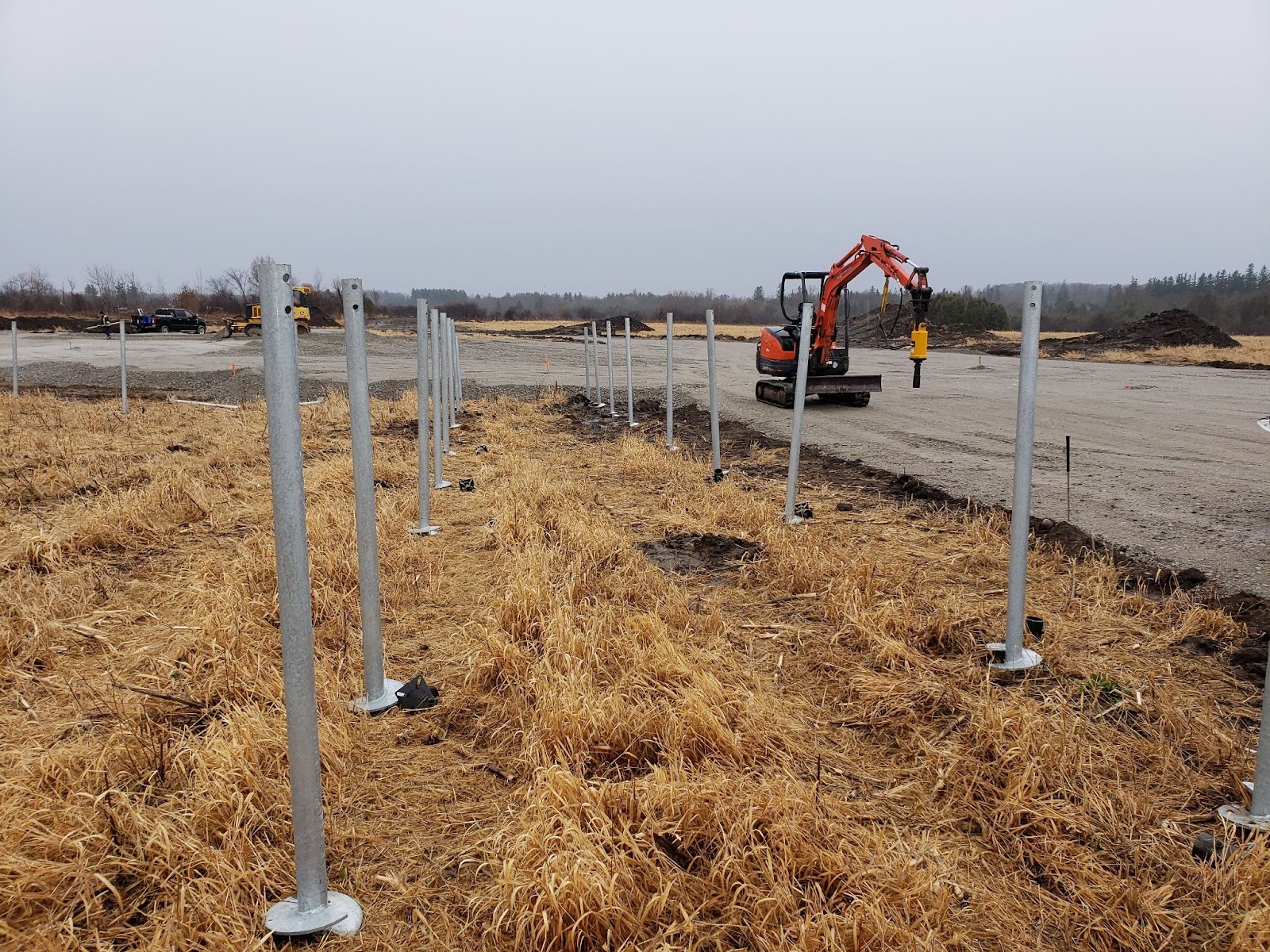
Frost and soft layers complicate excavations. With helical piles vs concrete piers, helix plates seat below frost depth and in competent strata. That bearing method resists uplift. It also limits settlement when soils vary across a site.
Consider helical piles for frost heave when decks or light structures need to stay on grade through winter. In silts, peat, or fill, helical piles for bad soil reduce over-excavation. Instead of chasing stable ground with bigger holes, you install at a verified torque at depth.
Practical tips you can apply:
These moves strengthen your position when clients ask about helical piles vs concrete piers. You show a method that accounts for frost movement and uneven soils with measured resistance.
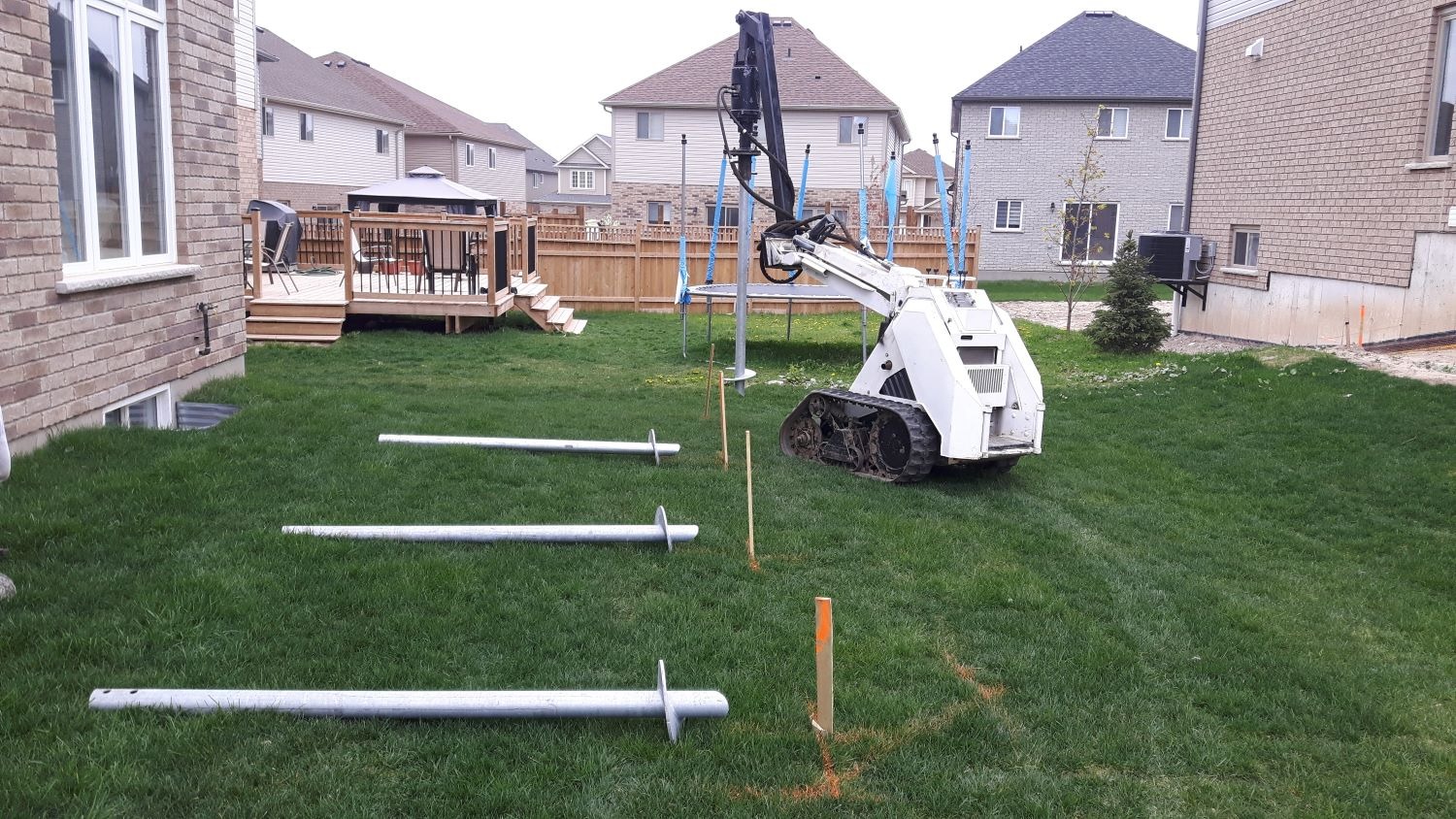
Tight access and cleanup can dominate days. With helical piles vs concrete piers, compact drives reach backyards and interior courts with less disruption. Minimal spoil means less hauling and less mess around finished landscapes.
You also improve your helical piles’ environmental impact by reducing truck trips, water use, and disposal. Noise and dust drop. For remote sites, fewer deliveries reduce logistics risk.
Access planning checklist:
These site practices make helical piles vs concrete piers attractive when the footprint must stay light. They also align with the sustainability targets that many clients request.

Contractors ask for examples they can copy. Here is plain guidance that frames helical piles vs concrete piers in common tasks. Use it to choose methods that fit your crew and gear in Barry’s Bay.
Decks & Stairs:
Rooftop Units & Mezzanines:
Signs, Light Standards, & Fences:
Across these cases, helical piles vs concrete piers helps you reduce unknowns, speed closeout, and keep quality records your engineer accepts.
Use this checklist during preconstruction meetings so owners understand how the two paths diverge on labour, sequencing, and verification. When you explain helical piles vs concrete piers in clear terms, decisions get easier and disputes fade.

Field verification should be objective. With helical piles vs concrete piers, you confirm axial capacity through torque achieved at depth. That number links to design using a published K factor and accepted practice.
By comparison, concrete relies on several checks that sit outside your control: mix delivery, air, temperature, slump, vibration, curing conditions, and test cylinders. Any slip can trigger investigations or remedial work.
Make verification smoother with this approach:
When everyone agrees on numbers, helical piles vs concrete piers conversations shift from opinions to data. That reduces meetings and helps you close permits with less friction.
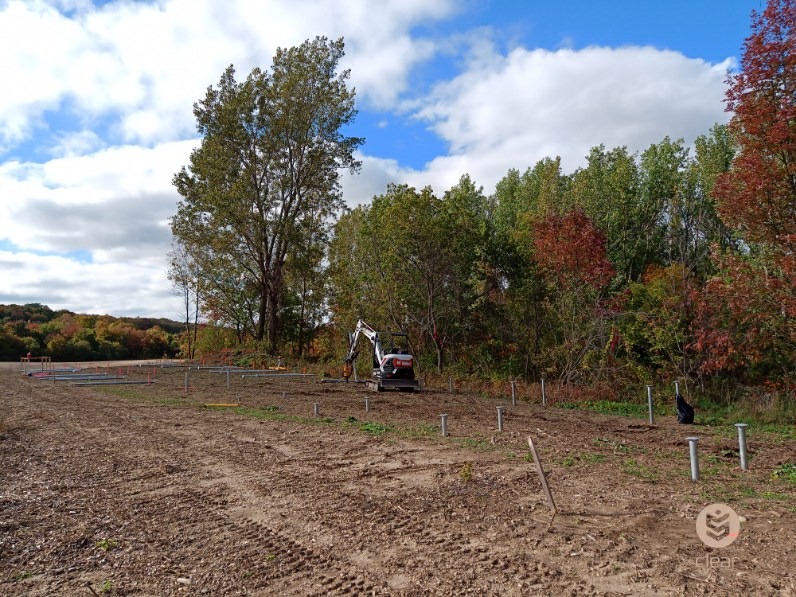
You aim to finish on time, within budget, and without comeback work. Comparing helical piles vs concrete piers through schedule, cost, frost performance, access, and verification shows clear patterns. Piles provide predictable installs and clean records; concrete depends on more variables that you do not fully control. You keep crews productive and schedules steady daily.
Procurement should be simple as well. With Mascore, you choose how to engage. You can buy certified piles for your own crew, or ask for installation support. Because there is no franchise chain in the way, you avoid territory rules and delays. A lean structure keeps pricing competitive while service stays personal and responsive.
If your next footing layout triggers the helical piles vs concrete piers question, walk the site using the approaches above. Check access, frost, soils, and inspection rules. Match the method to the risks you actually face, and keep the handover smooth.
Ready to price a foundation package in Barry’s Bay? Reach out to the Mascore team to get a quote.
In short, helical piles vs concrete piers is a practical comparison you can apply on site. Use helical piles vs sonotubes for tight access or variable grades. Review helical piers vs concrete cost by counting labour hours, delays, and rework risk. Choose helical piles for frost heave and helical piles for bad soil to control movement. Factor helical piles' time to install when you build fast-track schedules. Account for helical piles' environmental impact to meet sustainability goals.


