Back to blog
Imagine trying to build a boardwalk through a marsh on mucky, unstable ground. Heavy equipment can damage the landscape, and traditional concrete footings may not set properly in wet soil. This is the problem many contractors face in such challenging environments. The terrain fights back, soft soils cause foundations to sink or tilt, and strict environmental rules limit what you can do.
It’s frustrating and worrisome. You need to provide a safe walkway for visitors, but unstable ground and access constraints hinder your progress. Each setback eats into your schedule and budget. You care about doing the job right, protecting the environment, and delivering a sturdy structure, but the usual methods feel like an uphill battle.
However, there is a solution designed to address these exact challenges: helical piles for boardwalks provide a dependable, low-impact foundation that sidesteps these problems. They screw deep into stable soil layers, providing your boardwalk or trail bridge with a solid footing, even in a marsh or bog. Installation requires only small, portable equipment, minimizing disruption to sensitive sites. The result is a straight, secure boardwalk that stands the test of time and keeps nature intact.
This blog explains how helical pile foundations can help you overcome these challenges. You’ll learn why helical piles for boardwalks are effective in soft soils and wetlands, how to protect them from corrosion near water, and what to consider for both temporary and permanent projects. We’ll also cover what documentation agencies may expect.
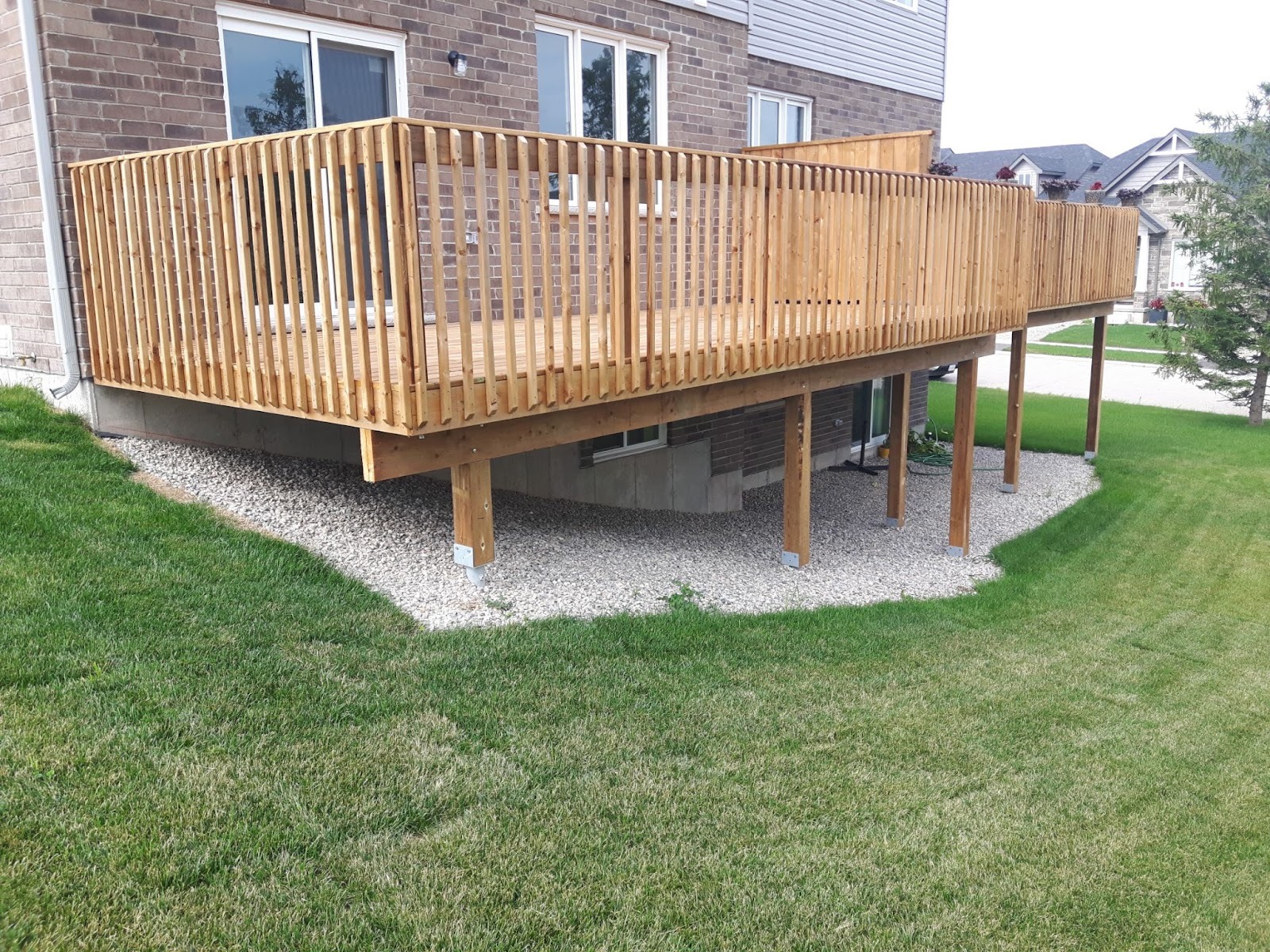
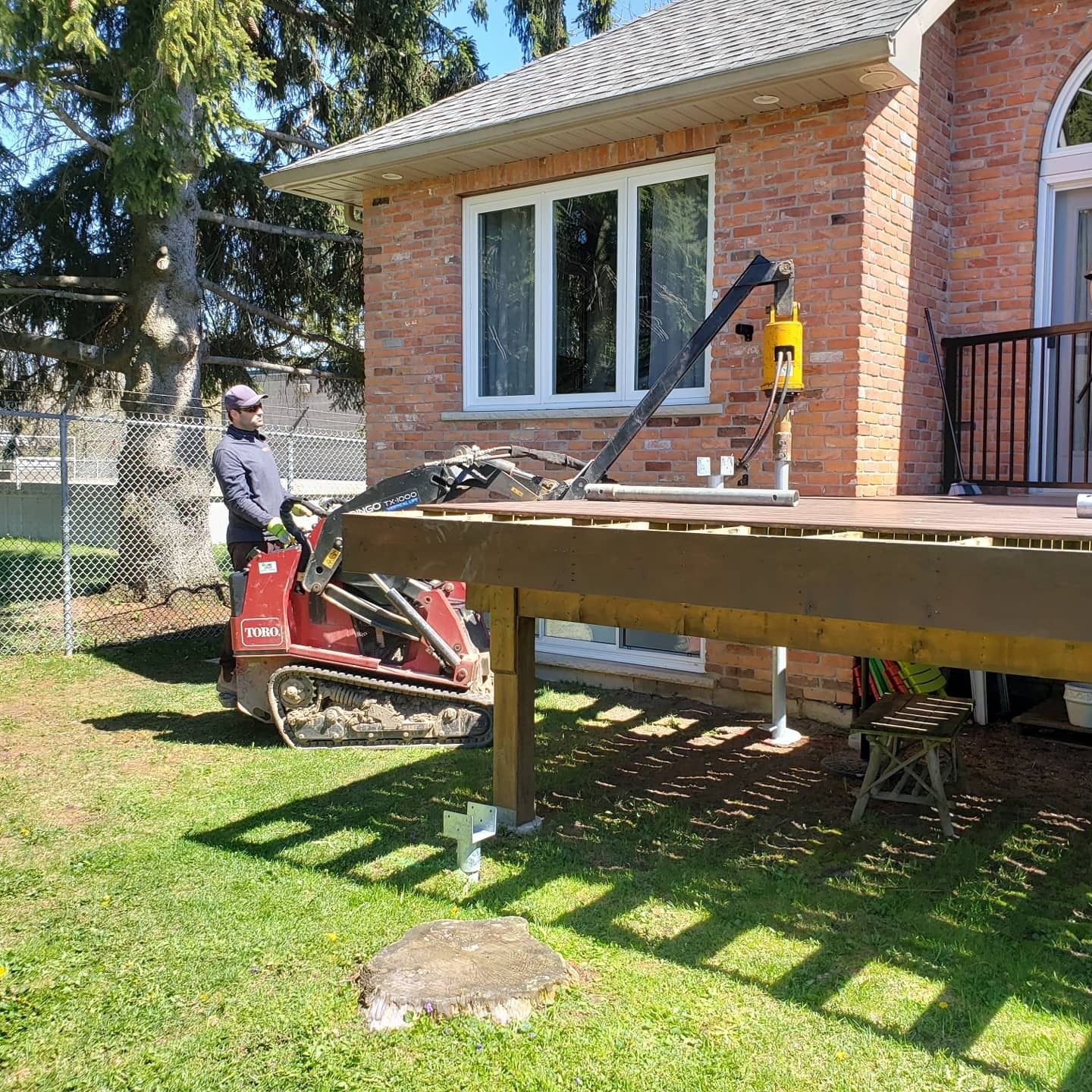
Working in hard-to-reach areas raises a big question: how do you get equipment into a swamp or dense woods without causing damage? That’s where helical piles for boardwalks really shine. Helical pile systems use small, portable installation equipment (even units you can carry by hand). That means you can install helical piles for wetland construction where trucks and concrete mixers simply can’t go.
Because helical piles don’t require excavation or large drills, you avoid tearing up vegetation or ruining the terrain. Builders often use a “top-down” approach: install a few piles and build a section of boardwalk on them, then use that new section as a platform to install the next piles further in. By leapfrogging forward in this manner, your crew avoids disturbing untouched marshland with heavy machinery. This method leaves virtually no permanent scar on the land. Helical piles have such a low environmental impact that they’re often preferred over concrete footings.
This flexibility means you can tackle projects in remote or environmentally sensitive areas with confidence. Whether it’s a viewing platform in a bog or helical piles for trail bridges deep in a park, the small equipment footprint and staged installation keep the impact low. Difficult terrain no longer needs to derail your project. Helical piles for boardwalks let you work with the landscape, not against it.
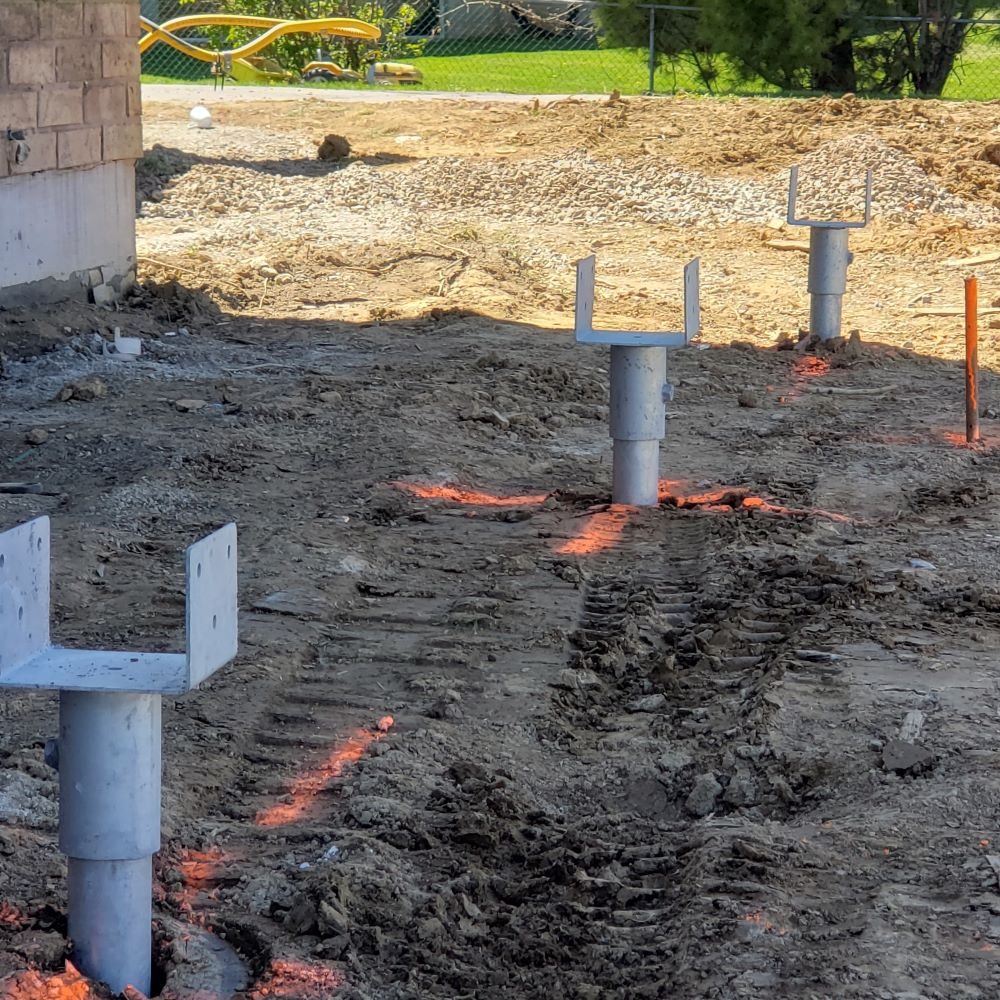
Soft, compressible soils pose a significant challenge when building boardwalks, as they can cause foundations to settle or shift. To avoid this, you need to install helical piles for boardwalks deep enough to reach solid ground and monitor the installation torque to confirm each pile’s capacity. Extension segments enable you to drive the piles as deep as needed, sometimes up to 30, 60, or even 90 feet, until the helix bites into firm soil capable of supporting the load.
Helical piles anchor into stable strata, thereby preventing most long-term settlement. Still, right after installation in very soft muck, there can be a bit of initial “give” as the boardwalk’s weight comes on. You can account for this by testing or pre-loading some piles and adjusting as needed before building the entire boardwalk.
With the proper design and careful installation, helical piles in soft soils will keep your boardwalk level and safe. You won’t have to come back and re-level sections; the foundation will be solid from the start.
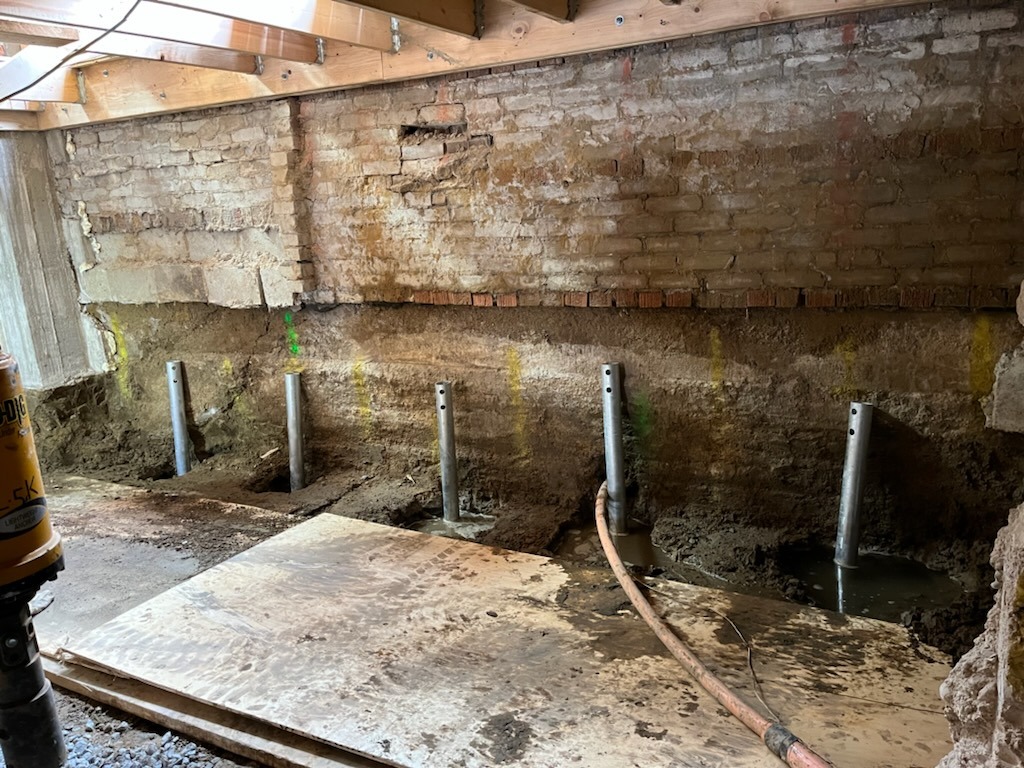
Boardwalk foundations often sit in wetlands or along bodies of water. Steel in constant contact with water and soil needs protection against rust. The good news is that helical piles for boardwalks are typically made of galvanized steel, which is coated in zinc for enhanced corrosion resistance. The zinc layer slowly sacrifices itself to corrosion, shielding the steel pile for decades. In practice, a hot-dip galvanized helical pile can last for many years in a wet environment without significant rust.
For most boardwalk projects, standard galvanization is sufficient to maintain the foundation's health. In extremely harsh conditions (like saltwater marshes or acidic soils), additional measures such as epoxy coatings or cathodic protection can be applied, but these cases are rare. The key is to choose certified, galvanized piles from the start so you won’t have to worry about corrosion.
If an agency or client asks, you can provide documentation that your piles were galvanized to industry standards. With proper corrosion protection in place, your boardwalk’s helical pile foundations will stay strong and rust-free for years to come.
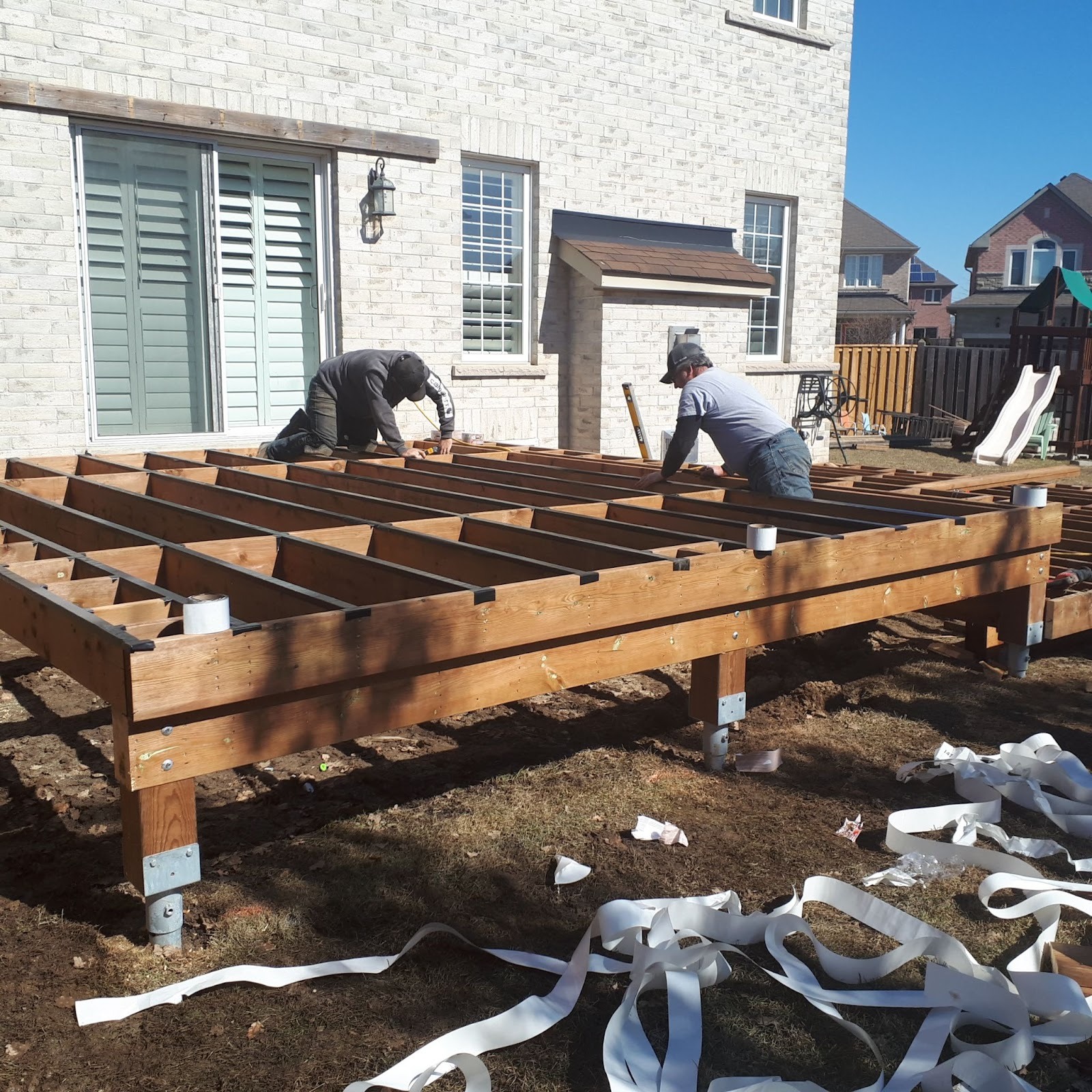
Yes. If you need a temporary boardwalk or platform for a project, helical piles are an ideal solution because they can be easily removed when they’re no longer needed. You simply reverse the installation process and unscrew them from the ground, leaving only small holes that are simple to backfill. There’s no concrete to break up and haul away, and no lasting damage to the site. In fact, the same helical piles could even be reused on another job if they're still in good condition.
For permanent boardwalks, you install the piles and leave them in place for the long term. Galvanized steel helical piles will support a boardwalk or trail bridge for decades. The beauty is that the same foundation system can serve both temporary and permanent needs with equal success. Even if a park or agency is concerned about minimizing the footprint, they can be confident that helical piles have a very low environmental impact, whether you remove them later or leave them in the ground. In short, helical piles for boardwalks give you a dependable foundation without locking you into a permanent structure if you don’t want one.
Even after the work is done, you’ll need to satisfy inspectors and clients with proper paperwork. Key documents for a boardwalk or trail built on helical piles include:
Organizing these documents into an “inspection packet” shows transparency and professionalism. It reassures the agency or owner that the helical piles for boardwalks were installed correctly and will perform as expected. Good documentation today can save you time and questions down the road.
Mascore Helical Piles isn’t bound by a rigid franchise system. When you work with us, you get a flexible, responsive partner that can handle your foundation needs wherever your project is located. You won’t be handed off between franchise territories or stuck with one way of doing things. In fact, we can simply supply you with certified helical pile products for your crew to install, or we can perform the installation for you; it’s your choice, without any franchise strings attached.
We also operate with lean efficiency, resulting in low overhead, which enables us to offer competitive pricing while providing personal service. Even though we’re not a huge corporation, we deliver the quality and expertise you expect from a larger company. You get honest advice, dependable support, and a team that truly cares about helping you build better structures.
We take this approach because we believe in putting the customer first. Our goal is to make your experience smooth and worry-free, whether you’re buying our helical piles or having us install them. When you partner with Mascore, you can trust that your boardwalk project is in good hands, built on a foundation as solid as our commitment to you. Contact Mascore today to get a quote, and let’s make your next boardwalk project a success!
Helical piles provide a safe and environmentally friendly foundation for boardwalks, wetland construction, and trail bridges. They solve common problems in soft soils and hard-to-access sites by using small installation equipment and deep anchoring. This blog explained how helical piles for boardwalks prevent settlement, avoid site damage, and resist corrosion near water. It also covered the use of helical piles for temporary structures and the importance of proper documentation. With the right partner, you can confidently build sturdy boardwalks and trail systems on helical pile foundations that last.


