Back to blog
Are you struggling to determine the optimal helical pile spacing for residential decks? You’re not alone. It’s the kind of question that keeps even experienced builders second-guessing themselves. You stand on site, tape measure in hand, wondering if the layout you’ve planned will pass inspection, or worse, if it will hold up after the first heavy snowfall. The uncertainty can be exhausting. A few inches too close, and your piles might fight each other in the soil. Too far apart, and your deck could sag, creak, or even fail long before its time. Then there’s the pressure of inspectors, homeowners, and tight deadlines breathing down your neck. One small misstep in spacing can cost you hours of rework, wasted materials, and your hard-earned reputation for precision.
With the right spacing rules and load guidelines, you can design every foundation with confidencestrong, code-compliant, and ready to pass inspection the first time. Once you understand how to calculate helical pile spacing for residential decks, how edge distances affect performance, and when to add a pile for stability, the guesswork disappears.
In this blog, you’ll learn practical spacing rules, beam and joist span tips, and layout methods that make deck building faster, safer, and easier to plan.
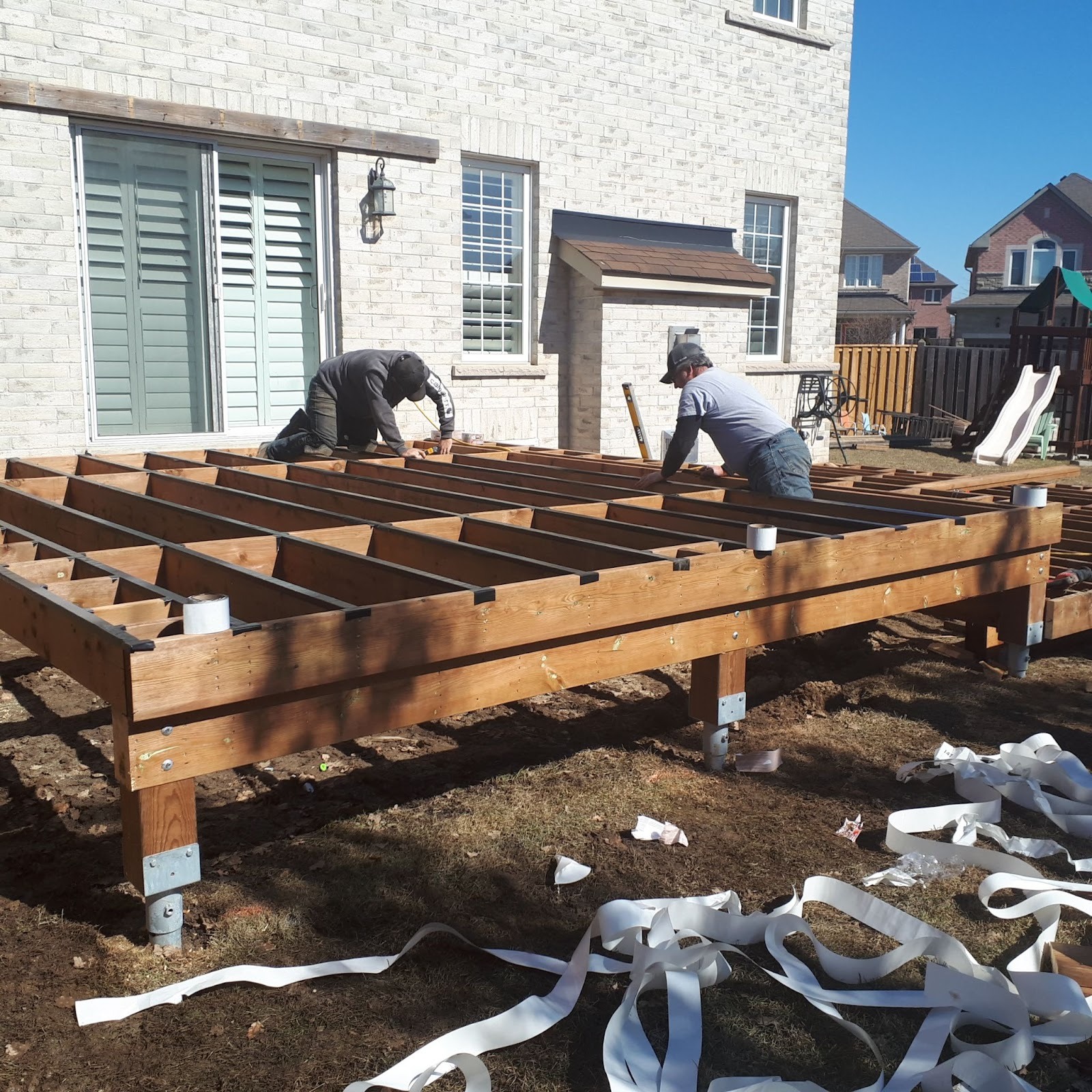
For helical pile spacing for residential decks, a few simple rules cover most situations:
Keep adjacent helical piles roughly 8 to 10 feet (approximately 2.5 to 3 meters) apart under a standard deck. This is a common helical pile spacing for residential decks, which helps keep loads balanced.
Always maintain a minimum spacing of at least three times the diameter of the largest helix plate (and five times is a conservative best practice). This prevents overlapping stress zones in the soil, ensuring each pile can hold its load independently.
As part of your helical pile spacing for residential decks plan, put a pile under every key support point. That means placing one under each deck post, beam end, and deck corner. This way, no area of your deck is left without direct support, and you won't get sagging between piles.
Observe a safe helical pile edge distance from any concrete slab, foundation, or slope. Avoid installing piles too close to the edge of a concrete footing or the base of an existing wall. A good rule of thumb is to keep at least 3 inches of clearance from any concrete edge and maintain a horizontal distance from slopes equal to or greater than the pile's depth. This way, the soil around the pile stays intact and stable.
If your deck is attached to a house, you usually won't need helical piles along the ledger side; the house itself carries that side of the load. For a free-standing deck, however, you'll need piles in multiple rows (for example, at the outer beam and an inner beam) to support the entire deck area.
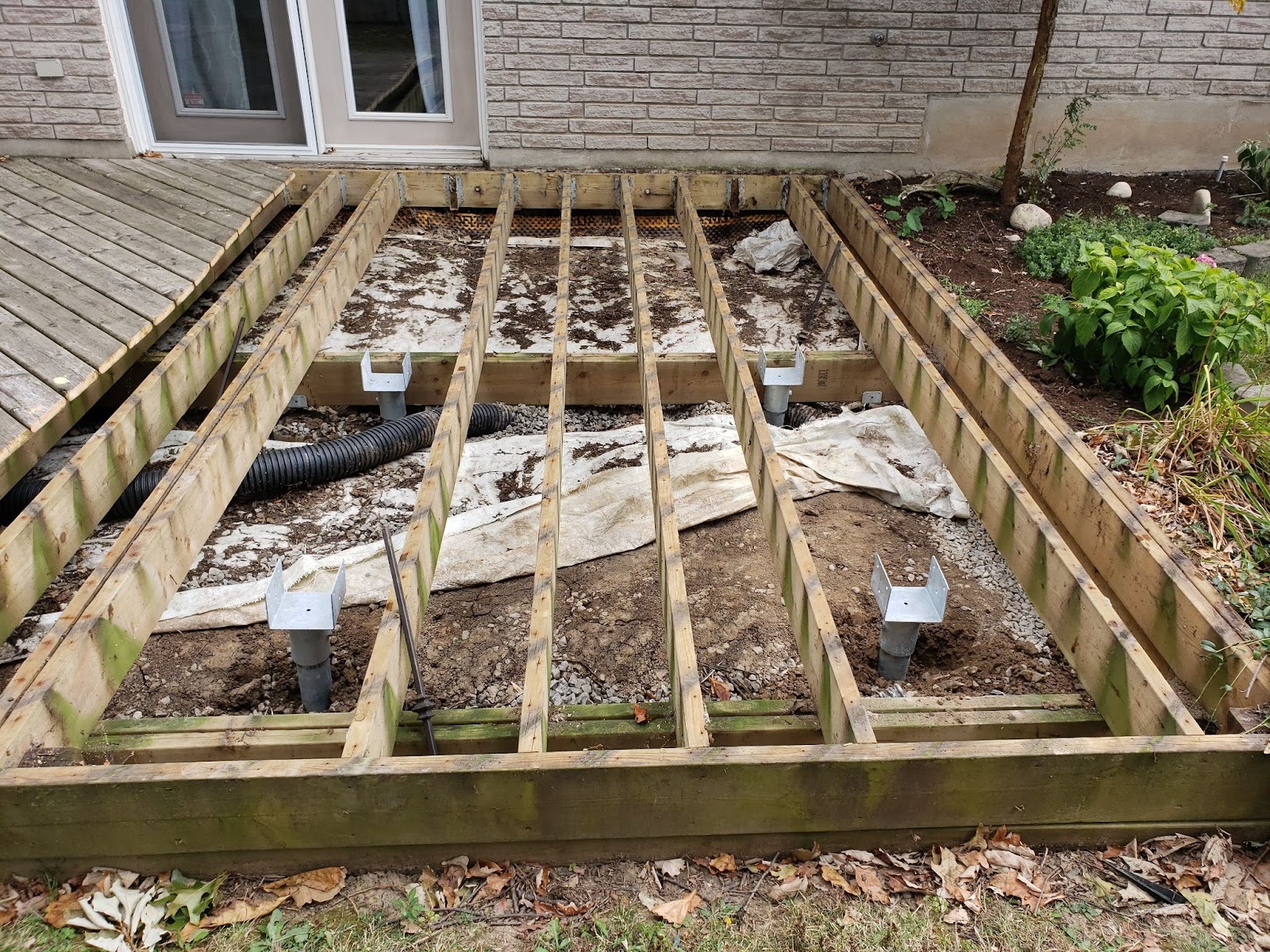
One significant advantage of helical piles is the flexibility they provide in designing your deck supports. To reduce labour and materials, you want to use the fewest piles necessary, without sacrificing strength. The trick is to maximize the span of your beams and joists so that you can space your piles farther apart.
When planning beam and joist spans with helical piles, consult span tables and building code guidelines for the lumber sizes you intend to use. The farther a beam can span between supports, the fewer helical pile footings you'll need under it. For example, if a double 2×10 beam can safely span around 10 feet between supports, you might only need a helical pile every 10 feet along that beam. In contrast, a smaller 2×8 beam might only span about 6 to 8 feet, meaning you'd need more piles (closer spacing) to support the same length of deck.
Using larger or stronger beams can therefore reduce the number of support posts and piles. The same goes for joists: if your deck design allows longer joists (or an engineered joist system) that span from the house to a single beam, you might eliminate the need for a mid-span beam and its extra row of piles. On the other hand, adding a beam can shorten joist spans but will introduce another line of piles, so it's a balance of design choices.
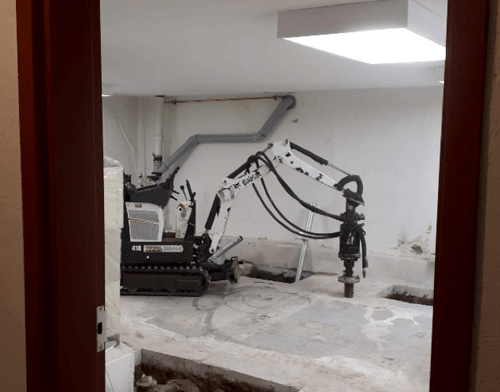
Helical pile group effects refer to the behavior of piles when they are clustered together. If you install piles too closely, they start to "share" the soil's bearing capacity, and each pile's effectiveness can drop. In other words, two piles that are very near each other won't each be able to hold their full load because the soil under them overlaps.
Sometimes, however, tight site conditions or heavy loads make closer spacing unavoidable. So when do you need to add an extra pile to compensate? Consider adding another helical pile in scenarios like these:
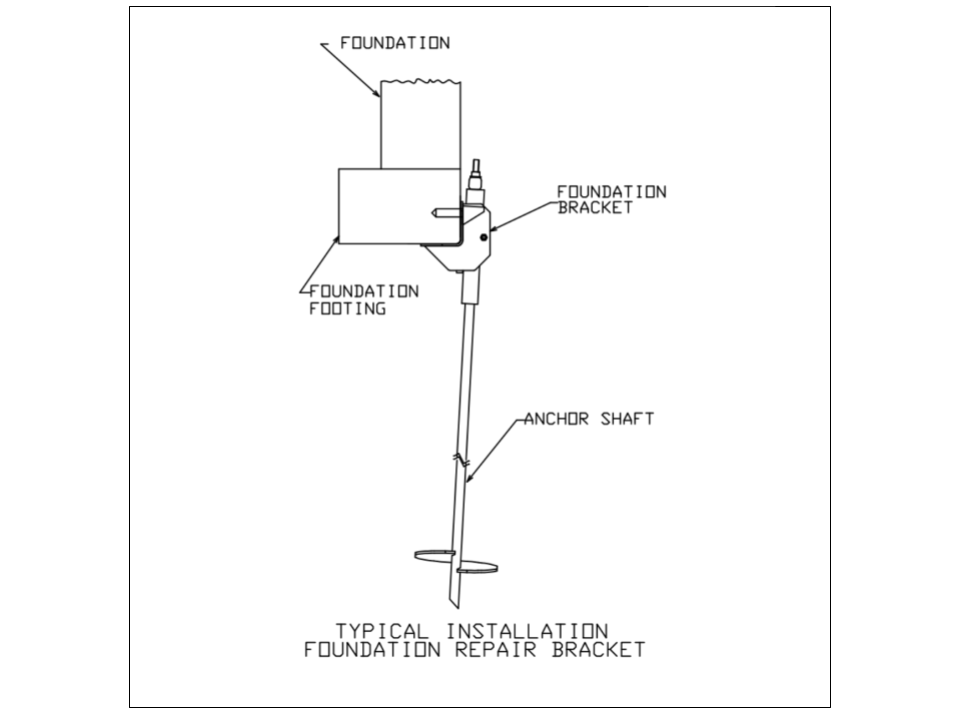
Having a great design is one thing, and navigating the permit process is another.
Here are some tips on what to include so that inspectors can easily understand and approve your design:
Now that you've seen how to calculate helical pile spacing for residential decks, you can approach your next project with confidence. Helical piles have improved the way contractors build decks by eliminating messy concrete work and providing solid support in all kinds of soil. The final piece of the puzzle is choosing a supplier and installer you can trust to deliver on this innovative foundation solution.
Mascore Helical Piles is a partner that offers you exceptional flexibility and dependable service. Unlike franchise-based competitors, Mascore isn't constrained by franchise territories or rules. That means you deal with one dedicated team for all your projects, whether you’re building in town or across the country. You won't be handed off to different franchise owners; you get consistent, personalized support every time.
With Mascore, you also have options that others don't offer. Need just the piles? You can purchase certified helical pile products directly from Mascore for your crew to install. Prefer a turnkey solution? Mascore’s experienced installers will handle the helical pile installation for you. It's all up to you. Either way, you're getting quality without the franchise logistics hassles.
Even though Mascore operates without a large corporate overhead, we’re capable and resource-rich as any large provider. The benefit to you is competitive pricing and fair service. In fact, because Mascore keeps a lean operation, we pass on cost savings to our customers while still providing top-tier products and results. It's the best of both worlds: a company big enough to supply any job, but small enough to care about every customer.
Most importantly, Mascore Helical Piles prioritizes honesty, professionalism, and your success above all else. Our team brings years of experience to each project and is committed to helping you build strong, safe decks the right way. When you work with Mascore, you know you'll get reliable advice and a foundation solution that stands the test of time. If you're ready to take your deck projects to the next level with hassle-free helical pile foundations, Mascore is ready to help. Contact Mascore today to get a quote.
Helical pile spacing for residential decks doesn’t have to be complicated. This guide explains the quick rules for proper spacing and edge distance, how to plan a helical pile deck layout with the correct beam spans, and more. We also covered helical pile group effects and permit drawing tips. With these insights, you can design deck foundations that are both safe and efficiently approved.


