Back to blog
Soils shift. Loads change. Schedules stay tight. A clear helical pile load test procedure helps you manage risk before concrete, steel, and labour stack up. You face the same questions on many sites: Will the piles meet service loads with measured movement that your engineer accepts? Can the crew run a quick verification without slowing the build?
When loads are uncertain, small test mistakes create big delays. Missed gauges, poor alignment, or a rushed setup can send you back to square one. A proven helical pile load test procedure sets expectations for your team, the engineer of record, and the owner. You get fewer disputes, cleaner numbers, and a straight path to production.
The solution here is practical: plan the helical pile load test procedure, follow a standard, record the data, and package a report your engineer can file with confidence.
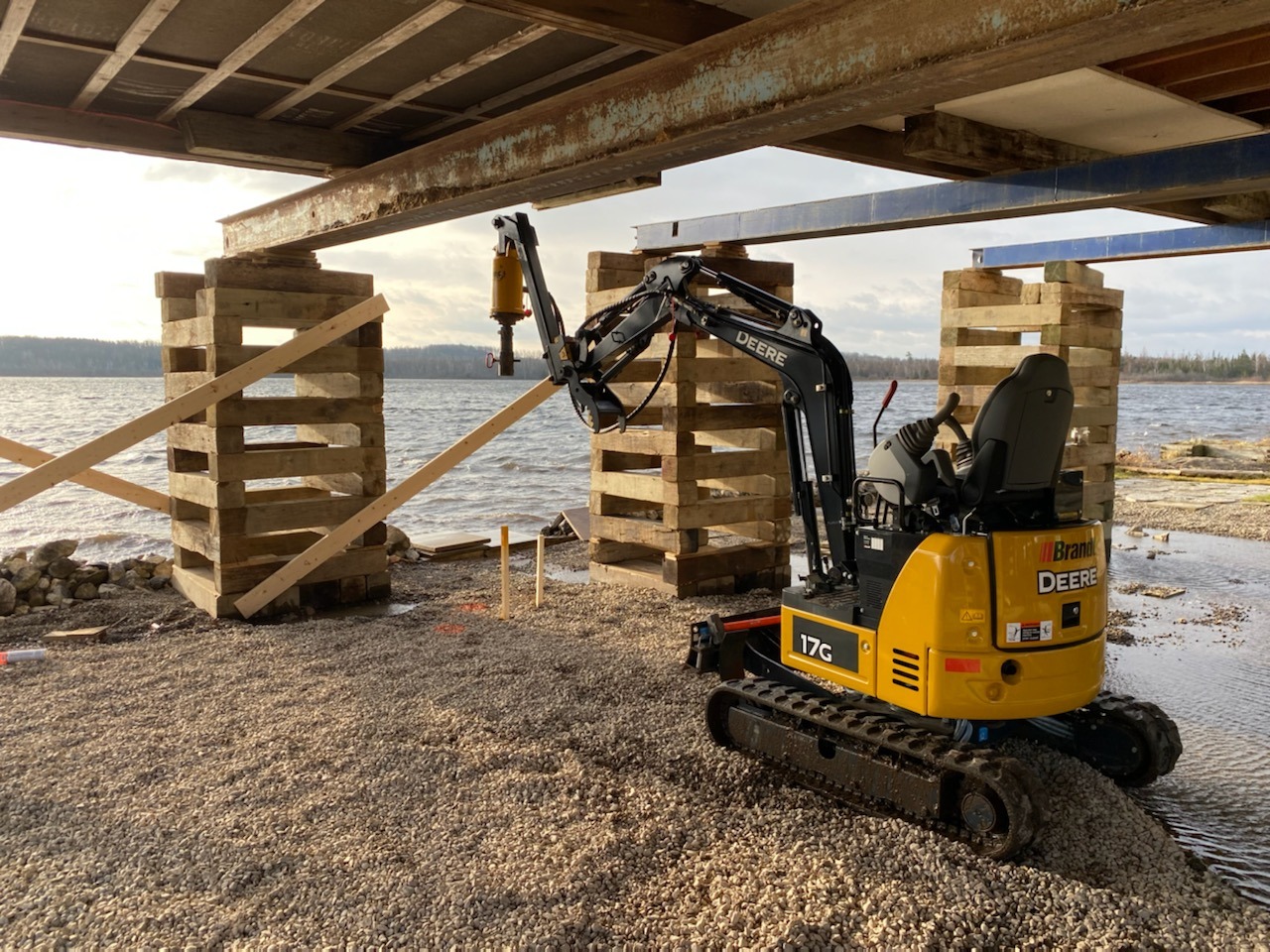
Contractors across Canada rely on accepted standards to keep results consistent. Your helical pile load test procedure should align with the applicable ASTM helical pile test guidance used by your engineer. For axial compression, many projects reference ASTM D1143 for static compressive load testing. For axial tension, many projects reference ASTM D3689 for static tensile load testing. Lateral checks often follow ASTM D3966. Your engineer may also cite AC358 acceptance criteria for helical systems in design notes.
You keep control by calling out the test method in your pre‑task plan. State whether the helical pile load test procedure will use a Maintained Load method, a Quick Test, or an Incremental Step method. Agree on acceptance criteria before the first jack stroke.
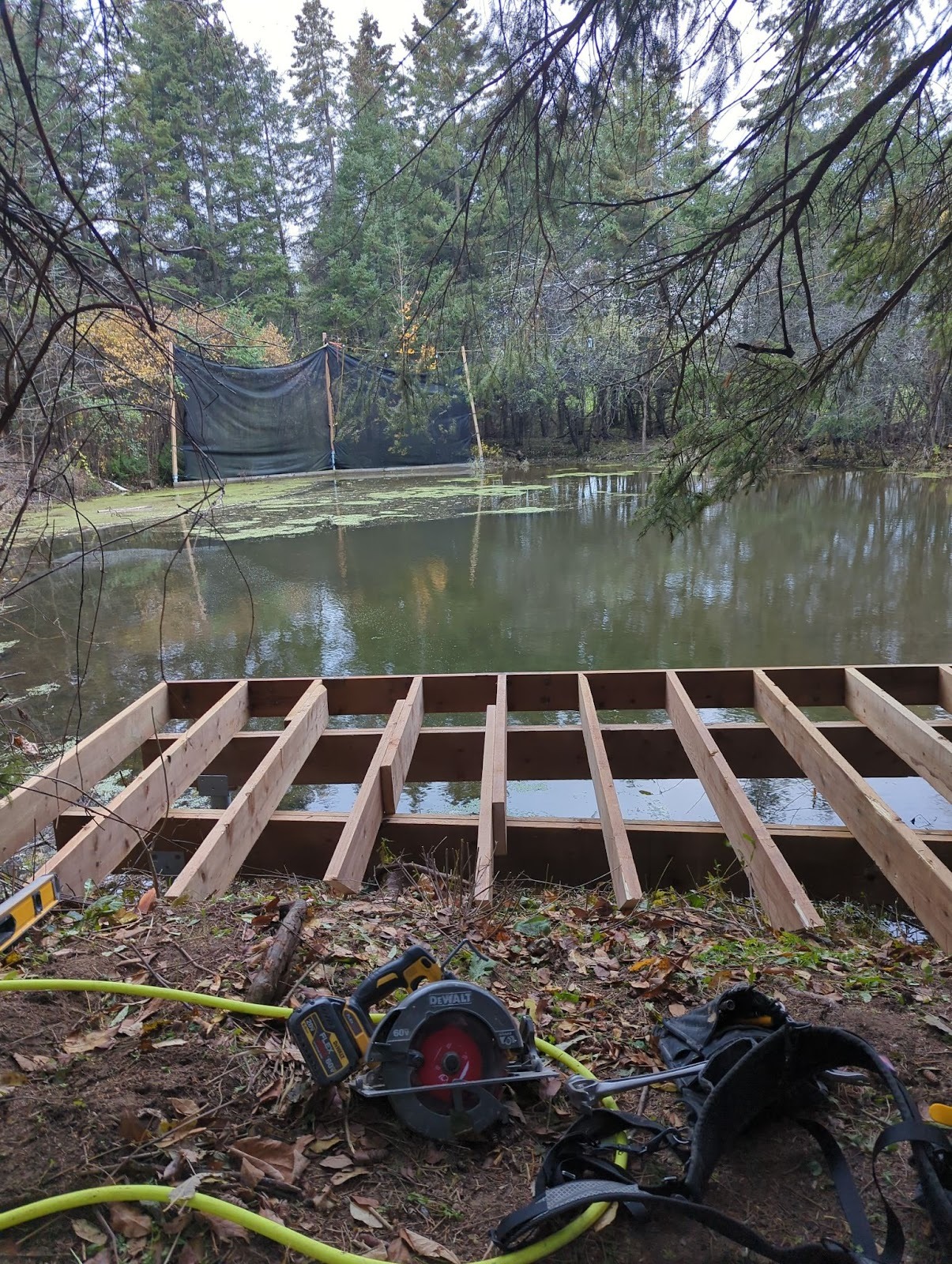
Your helical pile load test setup determines the quality of the data. A reliable helical pile load test procedure starts with the right kit and a tidy work area.
Bring this equipment:
Set the stage:
Build this helical pile load test setup into your job hazard analysis and reference it in your helical pile load test procedure.
Size the reaction system to limit deflection under peak load. A stiff frame gives you clean displacement readings and reduces rework in your helical pile load test procedure.
Place dial gauges at opposite sides of the pile head. Independent references reduce error. Calibrate instruments before the first reading in the helical pile load test procedure.
For tension tests, space anchors to resist uplift without influencing the test pile. Keep anchors clear of the influence zone of the test pile helixes.
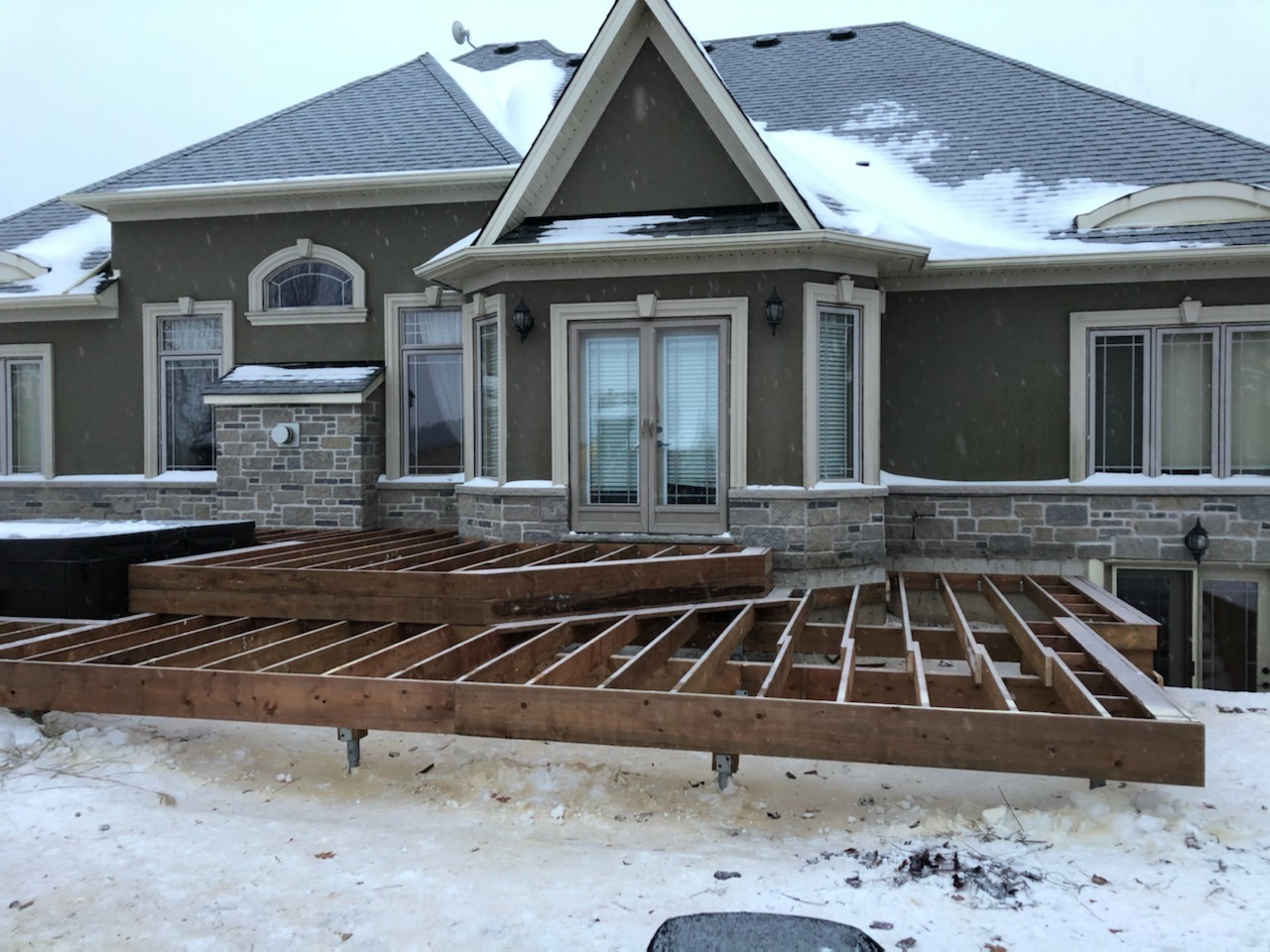
Use a step plan that your whole crew can follow. A simple, consistent helical pile load test procedure saves time and prevents missed readings.
Suggested sequence:
Fold this step plan into your site‑specific helical pile load test procedure so the same rhythm repeats from site to site.

When you need to tension test helical anchors, the approach stays similar but with uplift reactions. Your helical pile load test procedure should state whether you are testing sacrificial piles or production anchors. For uplift, keep the jack stroke within the measurement range. Watch anchor rods and couplers for rotation or slip.
Hold times and acceptance benchmarks come from the engineer. Maintain alignment throughout the helical pile load test procedure to ensure readings are accurate and repeatable.

A compression test for helical piles checks settlement under load. Set the reaction beam or frame so all bearing points sit on firm ground or cribbing. Confirm the jack sits square to the pile head plate. Your helical pile load test procedure should capture total and net settlement at each hold, plus rebound on unload.
Keep loads steady during holds. Avoid micro‑pumping the jack. A steady gauge needle makes your helical pile load test procedure produce clean curves.
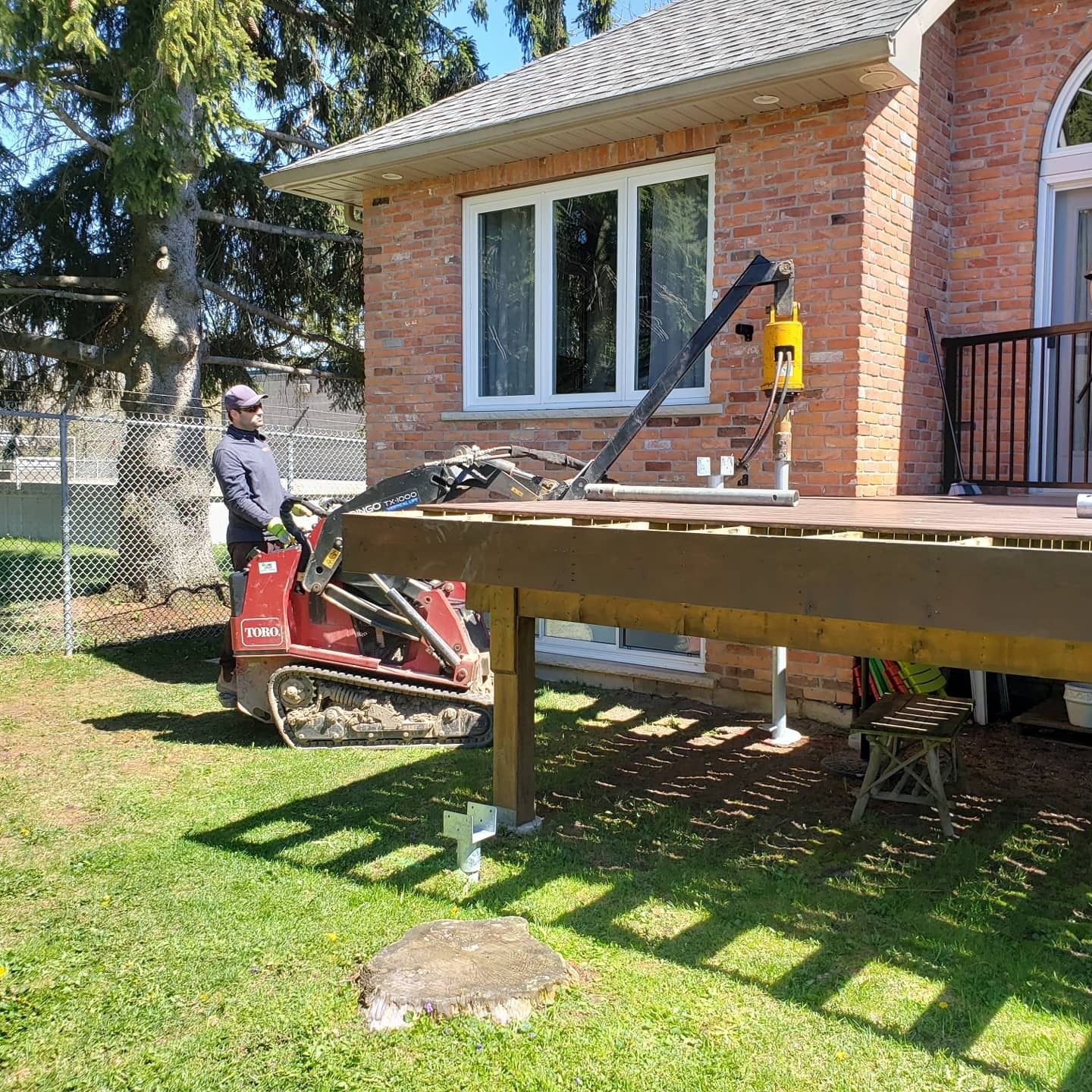
Your goal is a clear load‑movement curve that your engineer can sign off on. In your helical pile load test procedure, define how you will judge movement at service load and at the maximum applied load. Some engineers call for an offset limit at service load. Others use a slope break or a total movement cap at a specified load.
Plot data soon after the test. Outliers jump out when you graph them. If a gauge sticks, note it in the field log. Consistent documentation keeps your helical pile load test procedure defensible later.
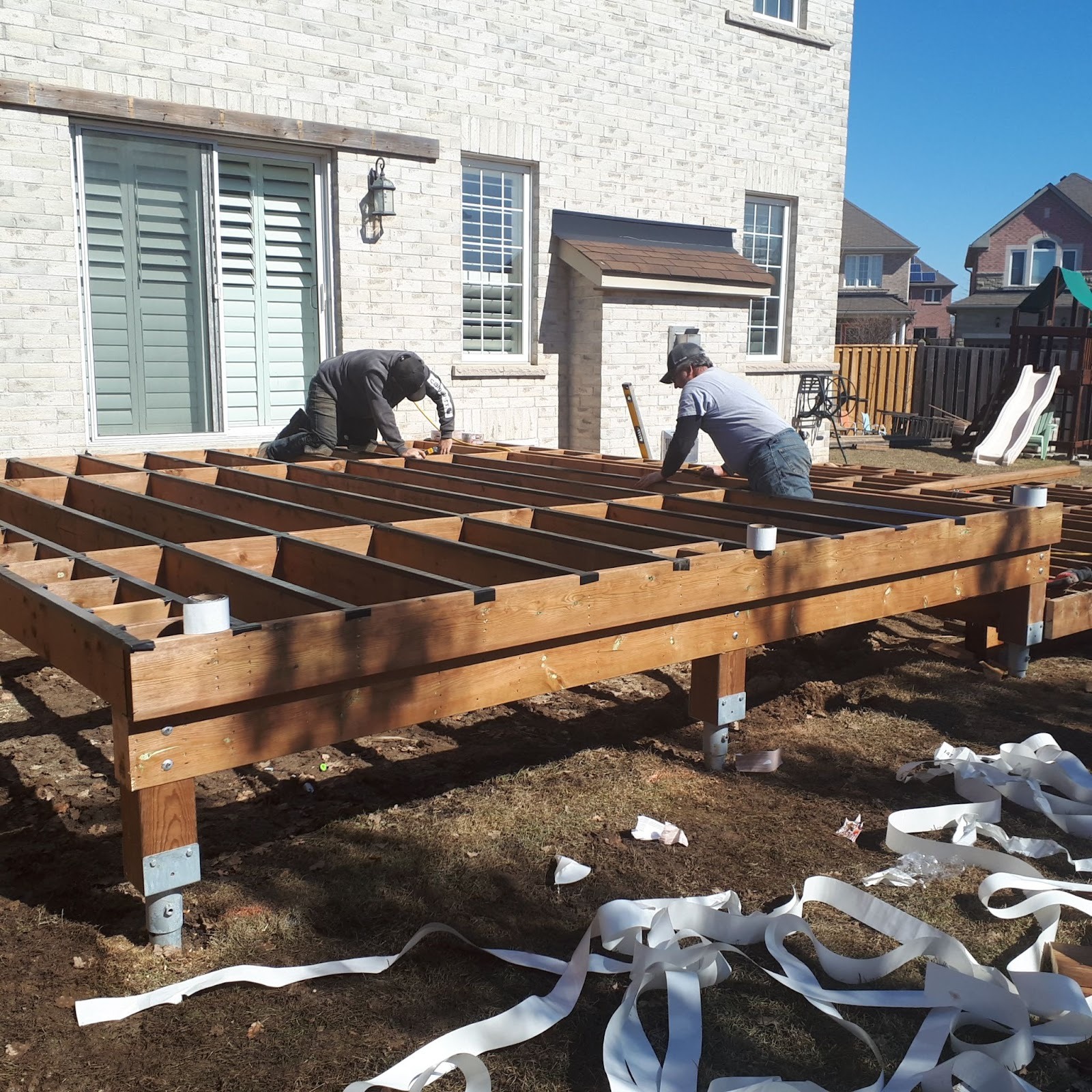
A helical pile proof test verifies capacity on a sample of production piles. You may proof test a set percentage of piles in each area, or any pile that did not reach the target installation torque. Your helical pile load test procedure should state when proof tests apply, the load level, the hold time, and the acceptable movement at that load.
Keep the proof test steps simple. The same discipline you use in a full helical pile load test procedure applies here, just with fewer steps and lower hold durations.
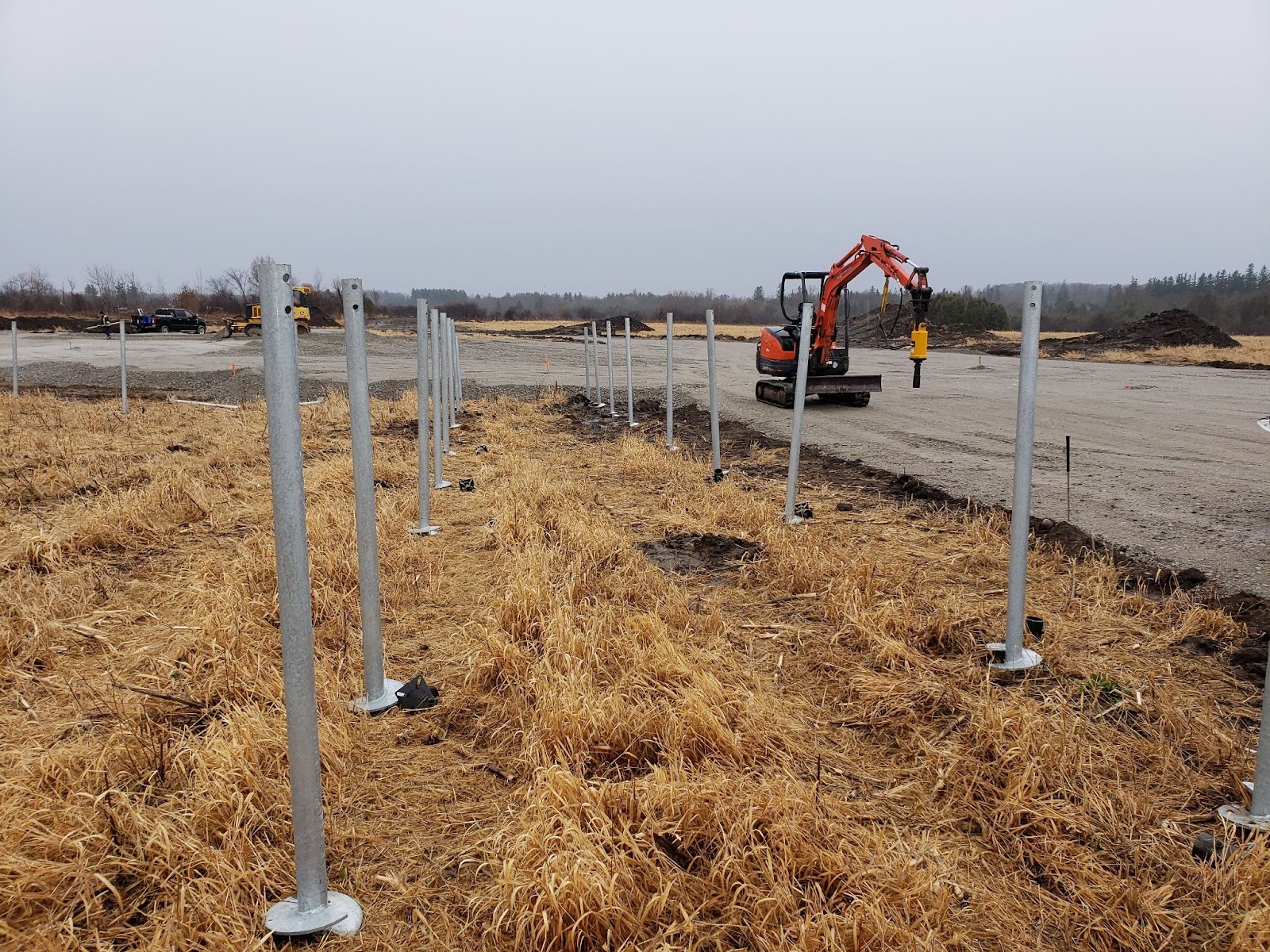
A clean helical pile test report example includes all the essentials your engineer needs for the record. Build this list into your helical pile load test procedure so the site team collects everything the first time.
Include:
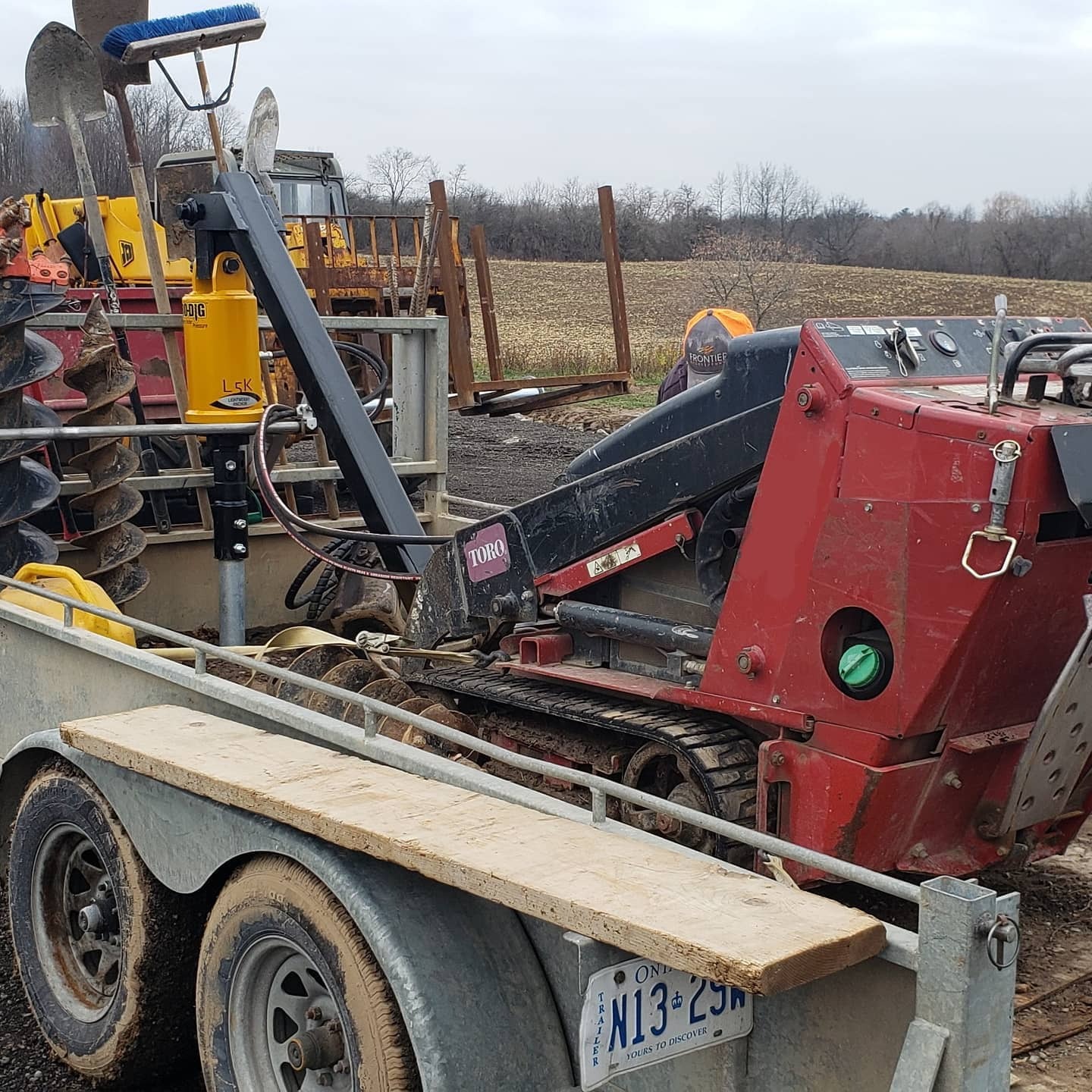
You need simple choices. With Mascore Helical Piles, you can buy a certified product for your crew to install, or you can schedule supply‑and‑install with one contact. You avoid franchise boundaries, so you work with the same team across provinces or on overseas work. This flexibility supports your helical pile load test procedure because you can keep materials, test gear, and people aligned without juggling territories.
The company keeps a lean structure. That helps pricing stay competitive while the service presents at a national scale. You get straight answers, predictable scheduling, and a helical pile load test procedure that fits your project needs without extra layers.
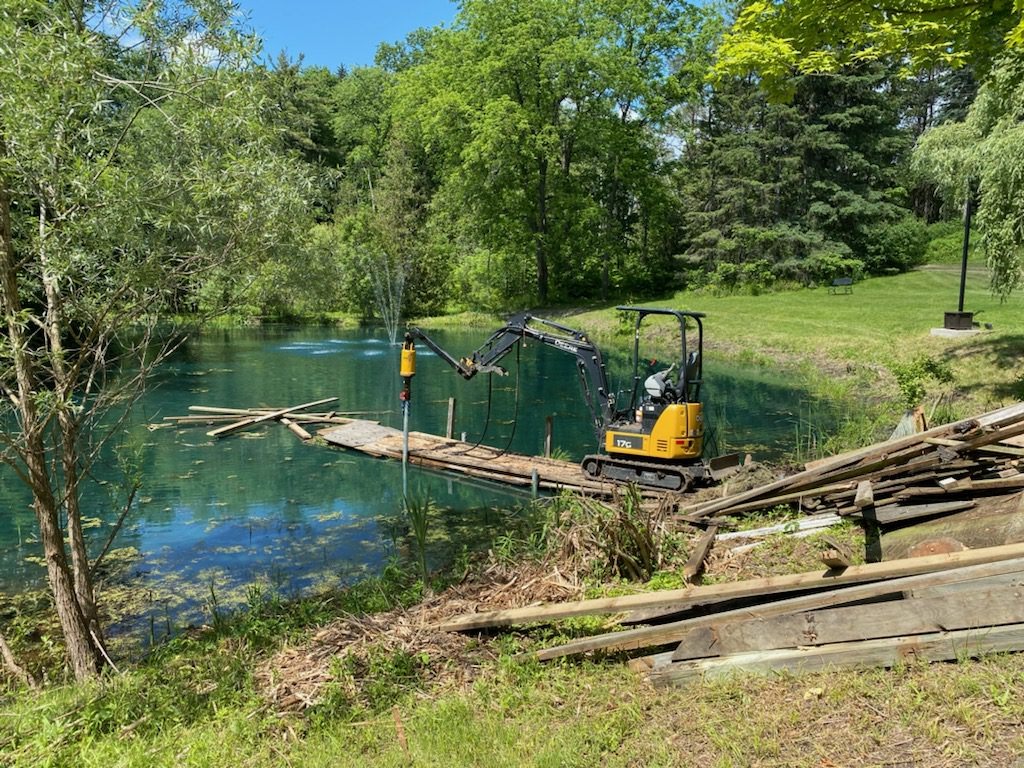
Your helical pile load test procedure runs smoother when you watch for these issues:
A short toolbox review of these items before each test keeps your helical pile load test procedure consistent.
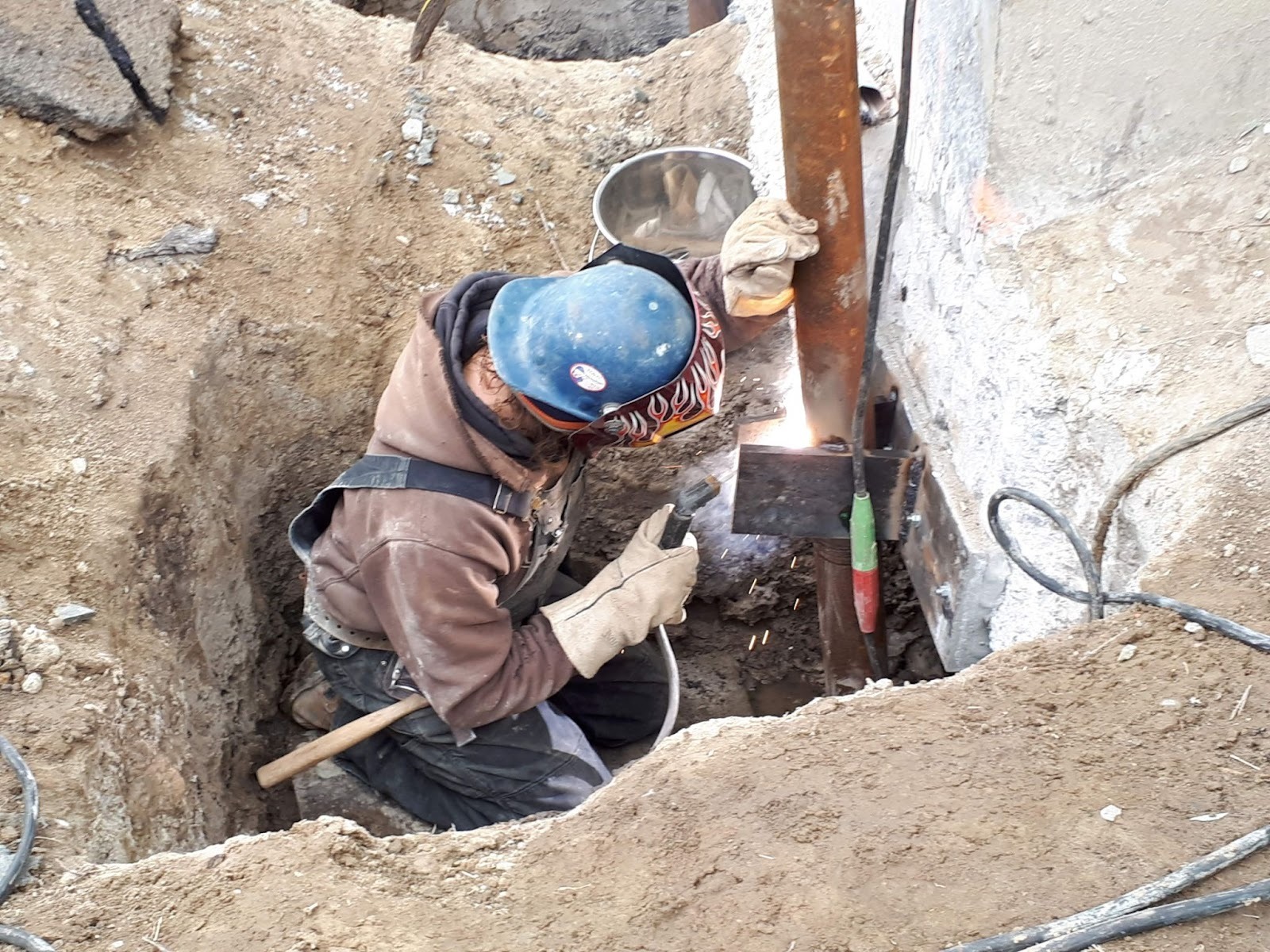
Assign roles at the tailgate meeting. One person runs the jack and calls loads. One person reads gauges. One person logs time and movement. A supervisor oversees safety and confirms the helical pile load test procedure steps are followed.
Weather matters. Rain, frost, and wind affect footing, hoses, and people. If conditions change, pause, record the time, and adjust the helical pile load test procedure. You protect the schedule by guarding the data quality.
A steady plan, solid setup, and disciplined record‑keeping will carry your job from trial to production. Use the methods here to write a site‑specific helical pile load test procedure, agree on acceptance, and run the test with confidence. If you want help selecting piles, arranging test frames, or packaging the report to your engineer’s standard, you can ask for practical guidance and a fair price. Get a quote today!
This guide explains a helical pile load test procedure you can apply on-site. It covers ASTM helical pile test references, helical pile proof test steps, tension test helical anchors, compression test helical piles, helical pile load test setup details, and a helical pile test report example. Use it to plan, test, and document with clarity.


