Back to blog
When installing foundations in Barry’s Bay, Ontario, understanding helical pile installation torque can mean the difference between a stable build and a costly do-over. Many contractors find this concept confusing or buried in jargon. If you’ve ever wondered how torque relates to real pile capacity, or worried that a low torque reading might spell trouble, you’re not alone. Misjudging torque can lead to weak foundations or wasted effort.
The good news: we’ll break down helical pile installation torque in clear terms here. You’ll see why hitting the right torque is essential for capacity, discover the “K factor” that links torque to load capacity, learn how to log and monitor torque properly, find out how to choose the best hydraulic drive torque equipment, and know what to do if a pile’s torque isn’t meeting the mark. By the end, you can approach your next helical pile job with confidence, armed with practical knowledge to ensure solid results.
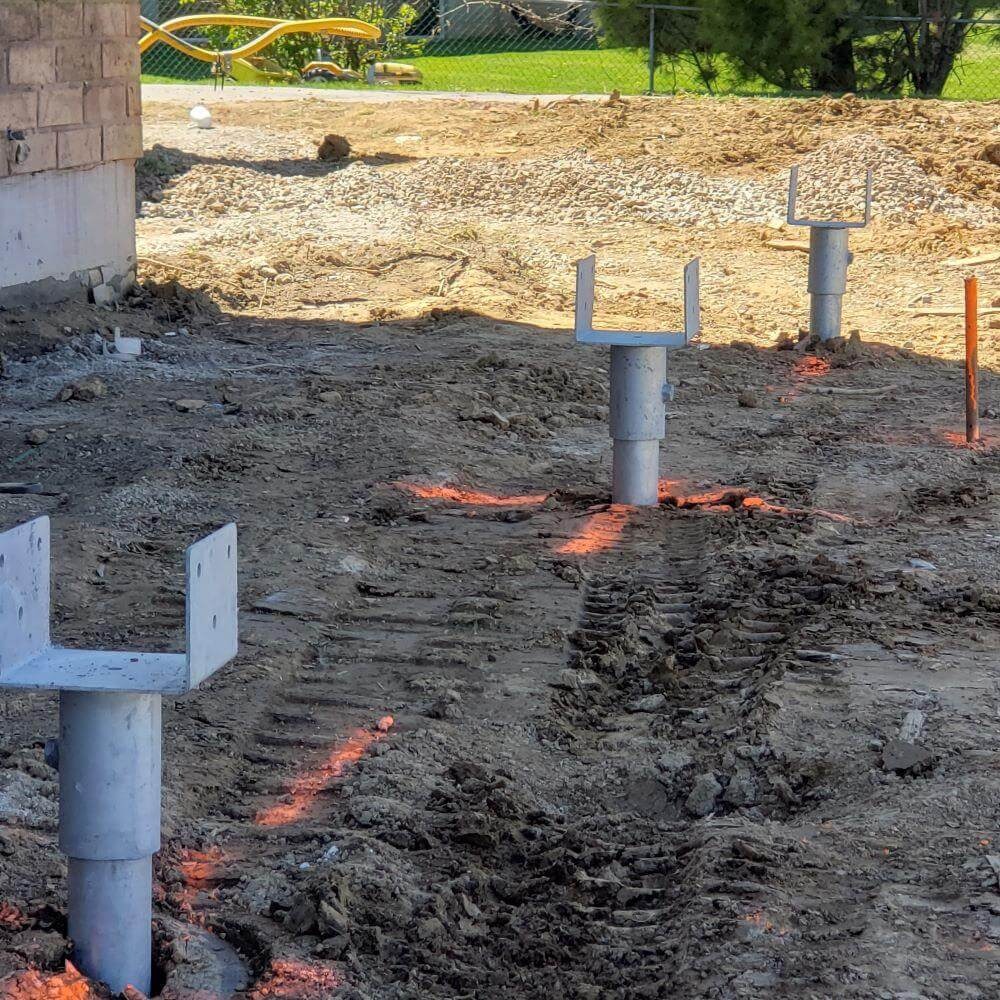
In the field, helical pile installation torque isn’t just a random number; it directly indicates how much weight that pile can support. As a helical pile screws into denser soil, resistance increases and the drive motor works harder (showing higher torque). In plain terms, a pile installed with high torque can bear more load than one that went in with little resistance. Engineers use this torque to capacity for helical piles relationship to verify foundations. Often, a project spec will require a minimum final torque (say 3,000 ft·lb), which correlates to a target load capacity. This empirical method of ensuring capacity is backed by decades of field data.
For contractors, torque offers instant feedback on installation quality. You don’t have to guess or wait for a load test; the torque reading as you install tells you if the pile is likely strong enough. Hitting the target helical pile installation torque means you’ve probably achieved the needed capacity. If the torque stays too low even after adding extensions, it’s a red flag that the soil is weaker than expected. You may need to adapt on the spot (drive deeper, switch helices, etc.). The takeaway is simple: watching the torque gauge lets you catch potential issues immediately and ensures each helical pile will perform as intended.
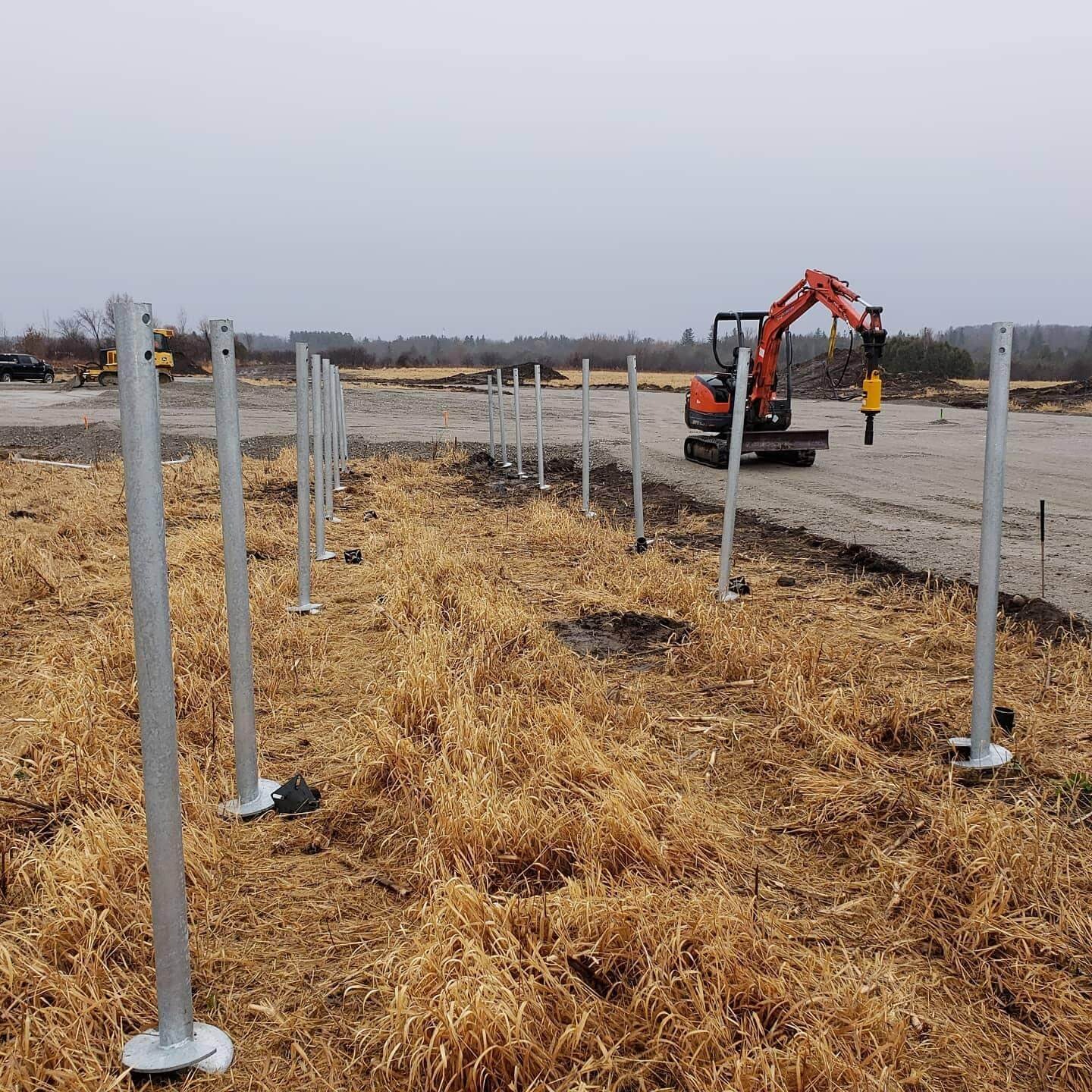
In simple terms, the “K” torque factor is a multiplier that links installation torque to load capacity. It appears in the simple equation: Ultimate Capacity = K × Torque. If you know the torque, you can estimate the pile’s capacity by multiplying it by K. This factor comes from extensive field testing and varies mainly with the shaft size of the pile. Smaller diameter piles tend to have higher K values than larger ones. For example, a 2.375” round shaft might use K = 9, while a beefy 3.5-inch round shaft might use K ≈ 7. Manufacturers often publish a helical pile torque chart listing these values for each pile type.
Knowing the K factor helps you plan and execute installs. If your project calls for a 40,000 lb capacity per pile and you’re using a pile with K = 8, you can anticipate needing roughly 5,000 ft·lb of helical pile installation torque on that pile (since 8 × 5,000 = 40,000). That target informs both your installation and your equipment choice (ensuring your drive head can deliver that torque). The K factor provides a dependable baseline for translating a torque reading into real load-bearing ability with confidence.
Measuring and documenting torque during installation is essential. Proper torque monitoring helical pile procedures ensure you have a clear record for each pile’s performance. At a minimum, record the final torque reached on every pile. It’s even better to log torque at regular depth intervals so the log shows how resistance increases with depth. Some projects require more frequent readings, especially in the last few feet, to understand torque vs depth for helical piles.
Use calibrated equipment and keep notes tidy. Many hydraulic drive heads have pressure gauges that correlate to torque; make sure yours is working correctly (and zeroed out before you start). If available, digital torque monitors can automatically record data and even print out graphs. Whether you use paper or an app, include key details: pile ID or location, final depth, and torque readings with depths. A clean torque log might simply state: “Pile 3 - 20 ft deep - max 6,000 ft·lb at 18 ft.” This gives the engineer confidence that the pile hit its target helical pile installation torque and is seated in firm soil. In contrast, incomplete logs can raise red flags. By taking torque monitoring seriously and providing organized logs, you avoid disputes.
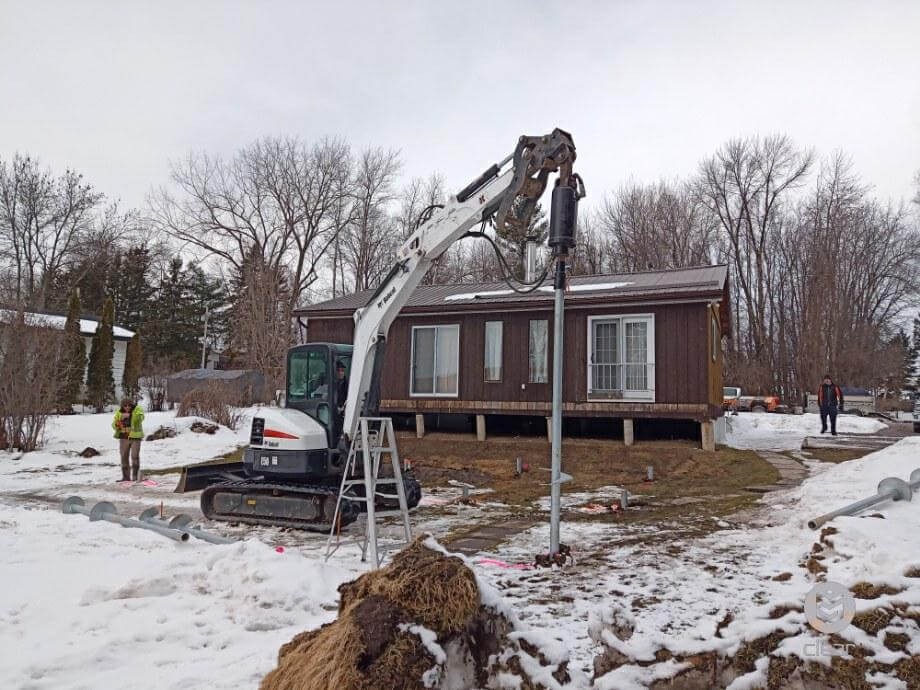
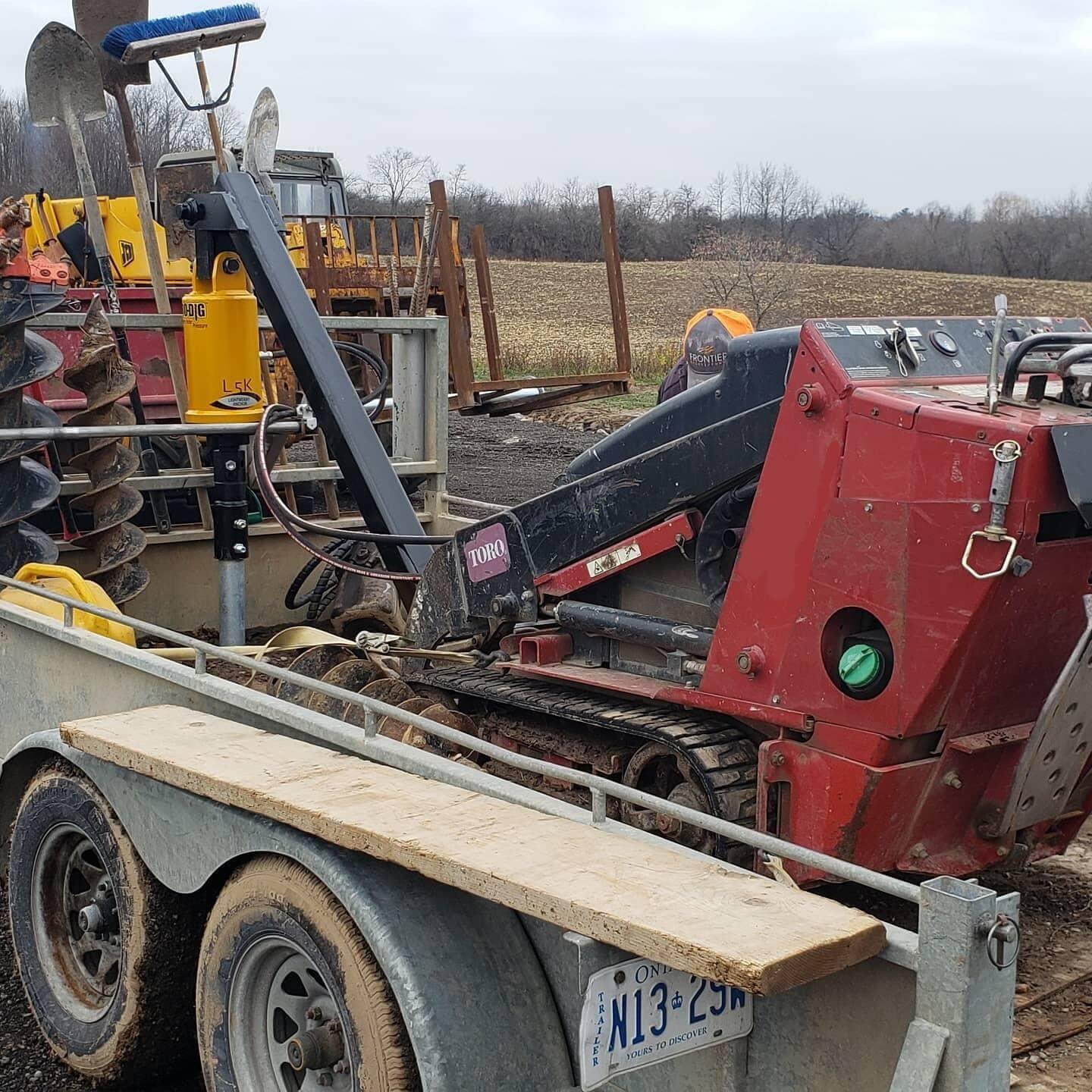
Selecting the right drive head for installation is essential to achieve your required helical pile installation torque. Consider the following:
Matching your equipment’s capabilities to the project’s torque demands means you won’t come up short on power or risk overstressing anything.
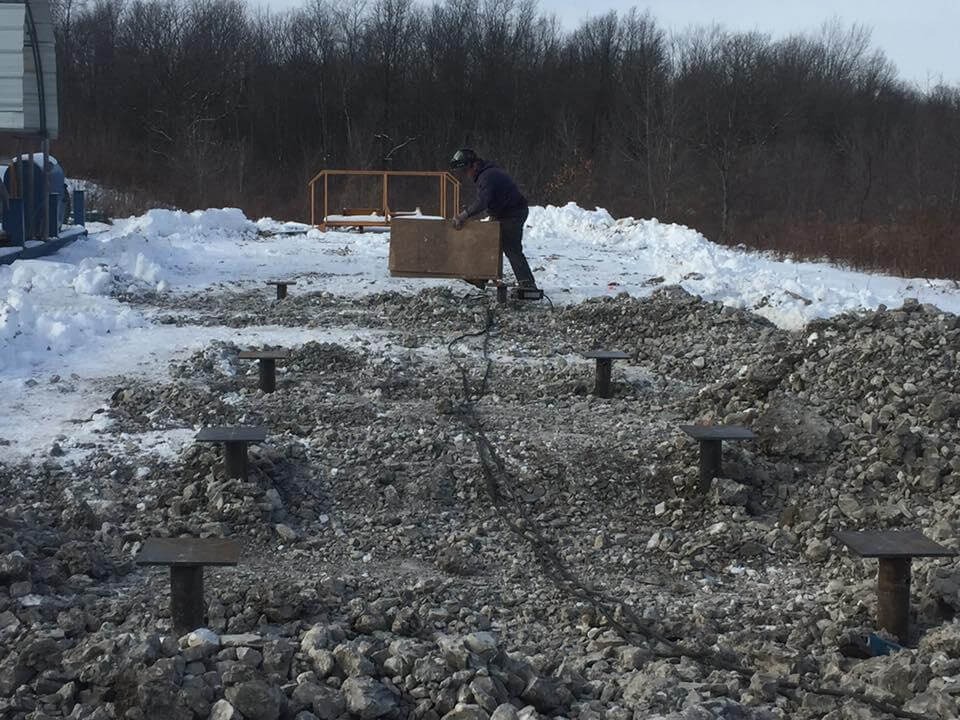
1. Go Deeper: If torque is too low at the planned depth, the simplest fix is to add extensions to drive the pile deeper. Extra depth often reaches denser soil that can raise torque to the required level. Helical piles are modular, so you can keep extending until you hit firm resistance.
2. Bigger or More Helices: Another solution is to increase the helix plate size or number. Larger or additional helices mean more soil engagement, which increases resistance and thus torque. For instance, if a single 8-inch helix isn’t generating enough resistance, you might switch to a lead section with a 12-inch helix or add a second plate. Because helical piles can be unscrewed, you have the flexibility to swap in a different configuration if needed. More helix area often translates to a higher torque you need in softer soils.
For Mascore, being independent (not a franchise) means we offer flexibility. You can either buy our certified helical piles for your crew or hire our team to install them, whichever suits your needs. Our lean operation keeps costs low, so you get competitive pricing, yet we provide the consistent, service-oriented expertise you’d expect from a larger company. We pride ourselves on being honest, fair, and dependable, treating every project with care.
Combine that support with a solid understanding of helical pile installation torque, and your project’s foundation will be rock-solid and hassle-free. With knowledge as your tool and Mascore as your partner, you can build confidently in Barry’s Bay. Get a quote today!
Helical pile installation torque is the key to reliable foundations. The proper relationship for torque to capacity helical piles (using the right k factor helical pile value) lets you predict load capacity confidently. By using a helical pile torque chart and practicing good torque monitoring helical piles, you ensure each pile meets its target capacity. Pairing the right hydraulic drive torque for helical piles with calibrated gauges ensures adequate power and accuracy. Understanding torque vs depth helical piles helps you adjust on the fly. All these factors lead to smooth, hassle-free helical pile projects.


