Back to blog
Your helical pile drive head is the powerhouse behind your foundation installations, converting your equipment’s hydraulic power into the torque needed to drive piles deep into the ground. But with great power comes great responsibility. Neglecting maintenance can lead to costly breakdowns and delays. Imagine being on a job site, racing against the clock, only to have your drive head fail due to a preventable issue. It’s not just frustrating; it jeopardizes project schedules, safety, and your bottom line. The good news? By following a proper maintenance routine, you can avoid these headaches and keep your drive head performing at its best. This guide addresses common questions about maintaining helical pile drive heads and offers practical tips to maximize the reliability and lifespan of this vital equipment.
By scheduling routine inspections and servicing at set intervals, you address wear and tear before it leads to a breakdown. It might feel like extra work up front, but it saves you time and money by preventing major equipment failures on the job.
Establish a consistent maintenance plan for your helical drive head and follow it diligently. For example, you might perform a quick visual check for leaks or loose bolts daily, top off fluids and grease fittings weekly, and do a thorough inspection monthly. After a certain number of operating hours (for instance, every 75100 hours), plan for more thorough service, such as changing the oil or replacing worn seals. Always refer to your drive head manufacturer’s guidelines for exact service intervals, and adjust the frequency for harsh conditions, such as halving the interval in extremely hot, cold, or dusty environments.
Keeping a maintenance log helps ensure these service intervals are never missed. You or your technician can record each task as it’s completed. That way, everyone on your team knows when the last maintenance was done and when the next one is due. Over time, this disciplined approach greatly reduces unexpected downtime. Small issues get caught and fixed during scheduled stops, so your crew isn’t left idle by surprise equipment failures. In short, preventive helical drive head service intervals keep your projects on track and your drive head ready to work when you need it.
Your helical pile drive head has several components that need regular attention. The key areas to focus on are the oil in the drive head’s gearbox, the hydraulic motor and its connections, and the attachment coupler that connects the drive to your machine. Logging these checks in your maintenance schedule ensures nothing is overlooked. Let’s break down each of these maintenance tasks:
Changing helical drive head oil regularly is a simple task that greatly extends the life of your equipment. Inside the drive head, a set of gears or bearings runs bathed in oil. Over time, this oil can break down or get contaminated with metal particles or moisture. Most manufacturers recommend changing the drive head’s gear oil after a certain number of operating hours (for example, every 75 or 100 hours) or at least once per season. Always check your specific model’s manual for the exact interval.
Make it a habit to verify the oil level and condition before each day’s work. Many drive heads have a sight glass or dipstick to ensure the oil is at the proper level and looks clean. If the oil appears milky (a sign of water in the oil) or black and burnt, it’s time to drain and replace it immediately. Also, inspect the oil filler and breather caps; a clogged breather can cause pressure build-up and push oil past seals. By changing the oil on schedule and keeping it clean, you prevent excessive wear and avoid costly drive head repairs down the line.
Hydraulic motor maintenance is just as essential for your helical drive head’s performance as oil changes. Start by inspecting all hydraulic hoses and fittings that connect to your drive head. Each day, or before each job, look for any signs of damage: cuts, cracks, bulges, or leaks in the hoses, and any fluid seeping around fittings. If you find a frayed hose or a leaky coupling, replace it or repair it promptly. A blown hose under pressure can result in immediate downtime and even create a safety hazard.
Keep the quick-connect couplers on your machine clean and in good condition. Dirt or debris in the hydraulic couplers can lead to contamination in the system and cause components to wear out faster. Ensure the connections are tight and secure every time you hook up the drive. It’s also wise to monitor your excavator or skid steer’s hydraulic system health. The drive head relies on the host machine’s hydraulic pressure and flow. Make sure the machine’s hydraulic fluid is topped up and filters are clean, so the drive motor isn’t starved of oil or forced to work with contaminants.
Over time, pay attention to the seals in the drive head’s hydraulic motor. If you notice oil dripping around the motor housing or a drop in torque output, worn seals could be the culprit. Replacing hydraulic seals or servicing the motor may be necessary after many hours of use. Staying on top of these hydraulic maintenance items ensures your helical drive head consistently delivers full torque and runs smoothly.
Attachment coupler care is often overlooked, but it’s important for safety and longevity. The attachment coupler is the mechanism that connects your drive head to the carrier (such as an excavator’s quick-attach or a skid steer mounting plate). Make sure to keep this coupler in good shape. If your coupler uses grease pins or bushings, grease them on the recommended schedule (often daily or weekly, depending on usage) so that the parts move freely and don’t grind down.
Each time you use the drive head, inspect the coupler’s pins, latches, and bolts. They should be tight and show no excessive wear. If you find a loose bolt or a pin that’s starting to oval out its hole, address it immediately by tightening or replacing it. A worn pin or faulty latch could allow the drive head to wobble or even fall off the machine, a dangerous situation you absolutely want to prevent. Keeping the coupler clean is also part of good maintenance: brush off any mud or debris before attaching the drive head, as dirt can prevent the coupler from locking securely.
By taking care of the attachment coupler alongside the oil changes and hydraulic checks above, you ensure the drive head stays securely attached and aligned during operation. Proper coupler maintenance prevents unnecessary stress on the equipment and helps your crew operate safely. In short, these oil, hydraulic, and coupler checks are essential parts of any helical pile drive head maintenance guide. Keeping up with all of them ensures your entire equipment setup remains dependable and safe on the job.
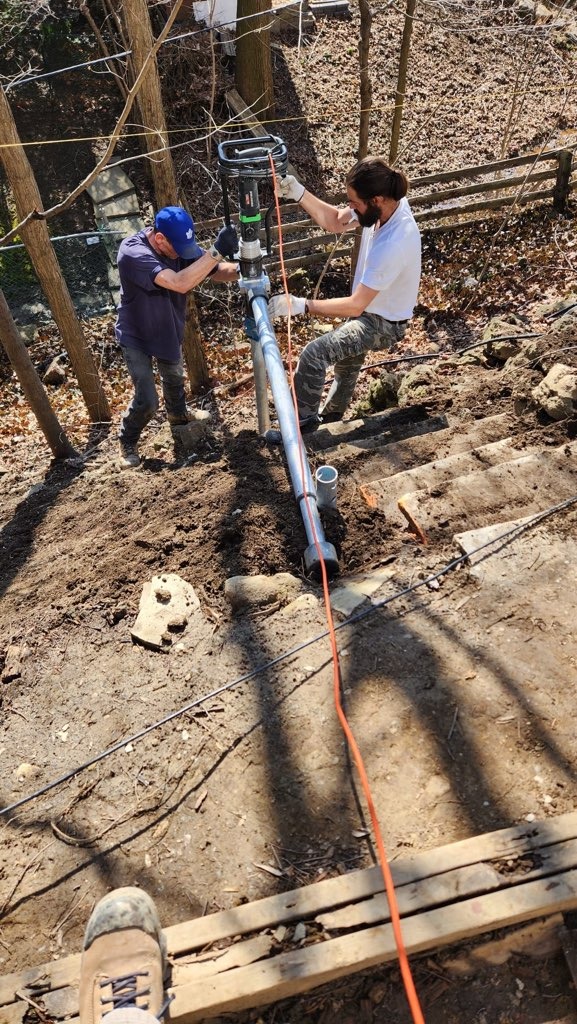
Even if you follow your helical pile drive head maintenance guide diligently, you might occasionally find that the drive head isn’t achieving the torque it should in the field. Perhaps the pile seems to be spinning without gaining resistance, or you can’t reach the required torque reading for a project. When this happens, you need to troubleshoot quickly to find the cause. Here are a few steps to help identify and resolve torque drop issues on site:
When the busy season winds down, it’s time to give your helical pile equipment some TLC before tucking it away. Proper off-season storage can significantly extend the lifespan of your drive head and other tools. You want everything to be in top shape when you start up again next season. Here are some tips to protect your investment during long storage periods:
Off-season care might be the last step in this helical pile drive head maintenance guide, but it’s just as important as your daily and weekly maintenance routines. By storing your equipment properly, you ensure it stays in great condition and is ready to perform when the next season starts.
Mascore Helical Piles prides itself on being flexible and customer-focused. Unlike many competitors, Mascore isn’t strapped to a franchise model with territorial restrictions. This means you can work directly with one experienced team for all your projects, regardless of their location. You have the freedom to either purchase certified helical pile products from Mascore or have their crew install them for you without the headaches of dealing with multiple franchise operators. This level of flexibility is unique in the industry, making your life as a contractor easier.
Mascore also operates with a lean, efficient structure, which is a big benefit to you. They may not have a massive corporate infrastructure, but that’s an advantage: it translates to competitive pricing and responsive service. In fact, Mascore often feels like a larger company in terms of capabilities, but when you partner with them, you get the honest, personalized attention of a small, dedicated team. The folks at Mascore genuinely care about helping you succeed with innovative foundation solutions. They focus on being honest, dependable, and fair in every interaction, traits that build trust with their clients.
With the right maintenance and a reliable partner, you can tackle any foundation project smoothly. If you’re looking for a trustworthy helical pile supplier and installer, get a quote from Mascore Helical Piles today.
This helical pile drive head maintenance guide for contractors covers all the essentials to keep your equipment running reliably. You’ll learn how to set up regular helical drive head service intervals and perform key upkeep tasks like hydraulic motor maintenance and drive head oil changes. The guide also provides tips for torque motor troubleshooting in the field, attachment coupler care, and off-season storage of helical pile equipment to protect your investment. By following these best practices, you can minimize downtime, extend the lifespan of your drive head, and ensure each project stays on schedule.


